
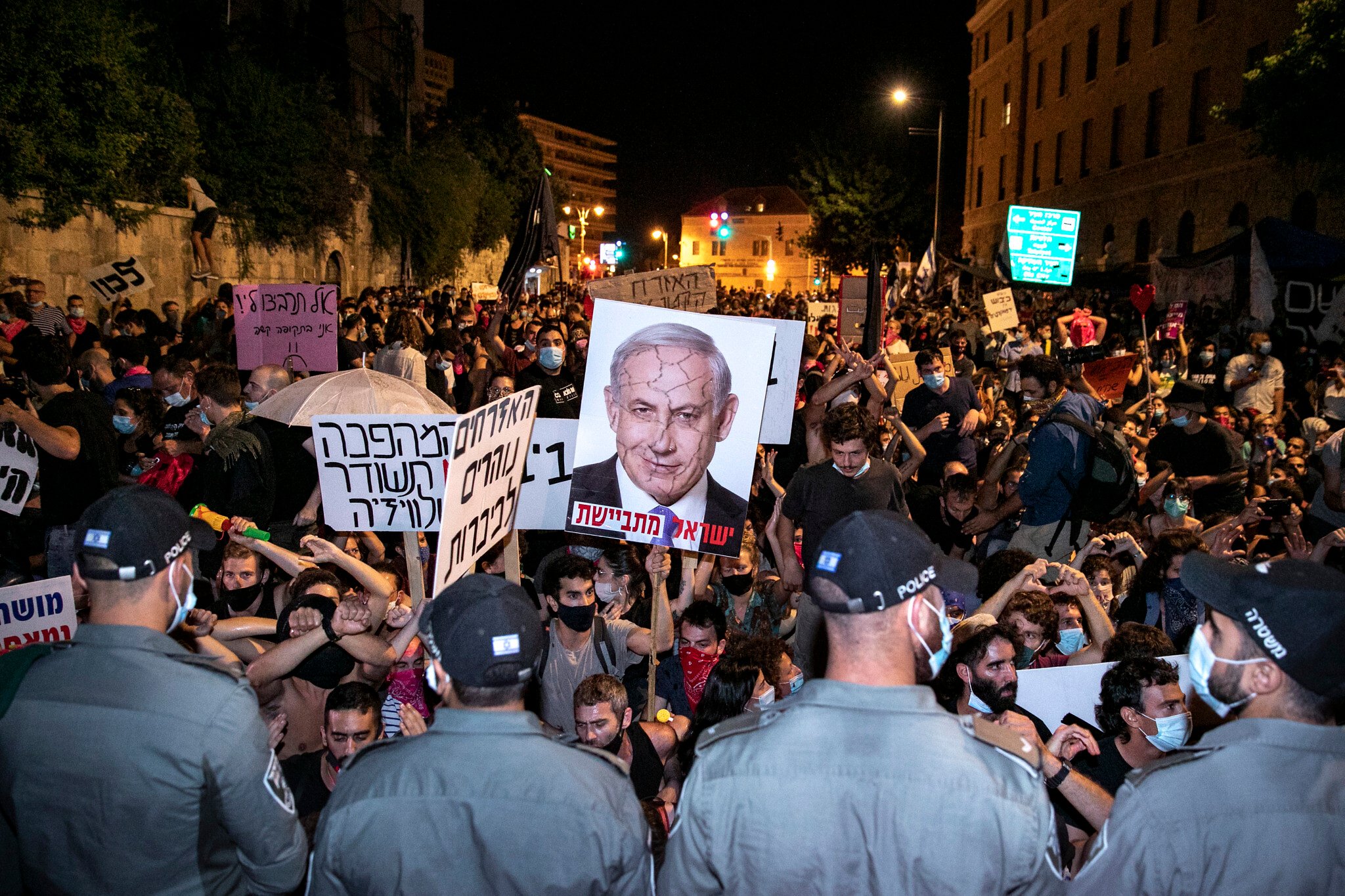

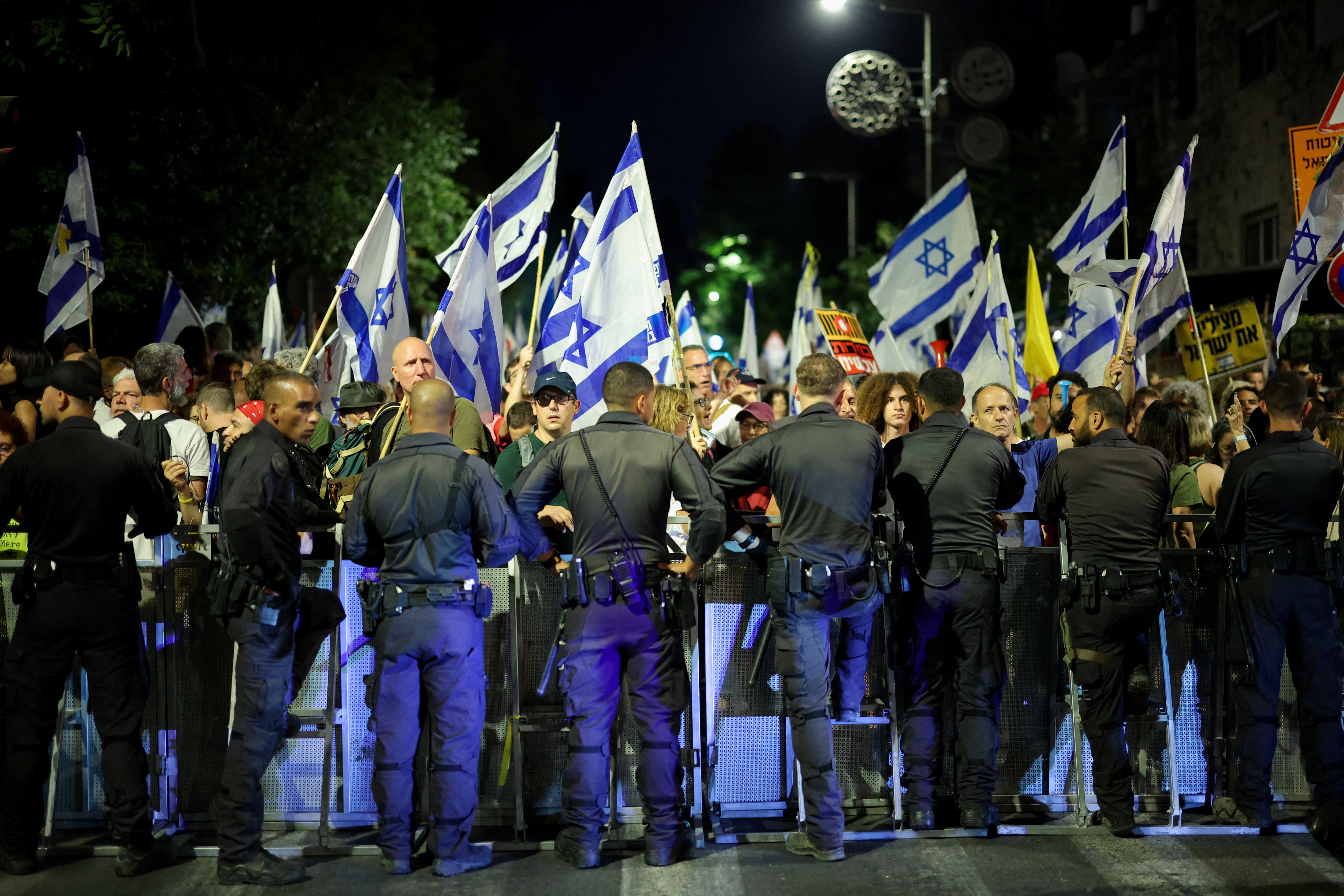
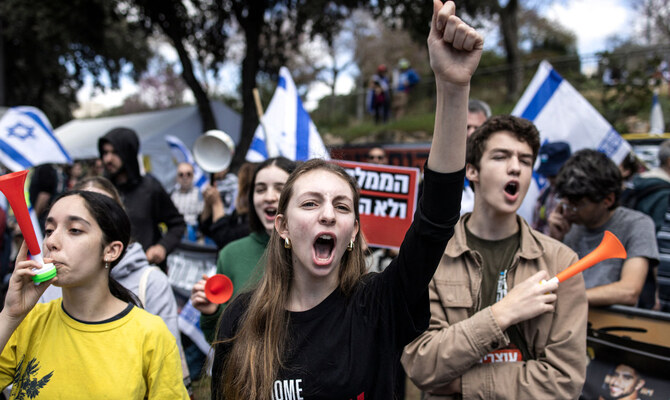
TEL AVIV — Tens of thousands of Israelis took to the streets across the country this week, intensifying calls for Prime Minister Benjamin Netanyahu to resign amid growing public anger over his leadership, governance failures, and the direction of the war and domestic policy.
Protests erupted in Tel Aviv, Jerusalem, Haifa, and Beersheba, with demonstrators blocking major highways, gathering outside government buildings, and chanting slogans accusing Netanyahu of putting political survival ahead of the nation’s interests. Many carried signs reading “Resign Now,” “You Failed,” and “Israel Deserves Better.”
At the core of the protests is a broad coalition of Israelis — families of hostages, reservists, former security officials, business leaders, and civil society groups — who argue Netanyahu has lost public trust. Critics blame him for intelligence failures preceding the October 7 Hamas attack, the prolonged hostage crisis, and what they describe as a lack of a clear post-war strategy.
Anger has also resurfaced over Netanyahu’s earlier push to weaken the judiciary, a move that sparked historic protests before the war and fractured Israeli society. Protest leaders say the prime minister has used the ongoing conflict to delay accountability, stall elections, and cling to power while avoiding responsibility for policy failures.
“He is governing for himself, not for Israel,” said one protest organizer in Tel Aviv. “Leadership means accountability. That is what he refuses to accept.”
Former military and intelligence officials have joined the calls, warning that Netanyahu’s continued leadership is damaging Israel’s international standing and straining relations with key allies. Several families of hostages held in Gaza accuse the government of prioritizing political calculations over urgent negotiations to bring their loved ones home.
Netanyahu has rejected calls to resign, insisting that elections during wartime would endanger national security. His allies argue the protests weaken Israel’s position and embolden its enemies. Protesters counter that democratic pressure is not disloyalty, but a necessity — especially in times of crisis.
As demonstrations grow in size and frequency, analysts say the protest movement now represents the most serious domestic challenge to Netanyahu’s rule in years. Whether it translates into early elections or a political shakeup remains uncertain, but the message from the streets is unmistakable: a large segment of Israeli society believes the country cannot move forward under its current leadership.

No comments:
Post a Comment