
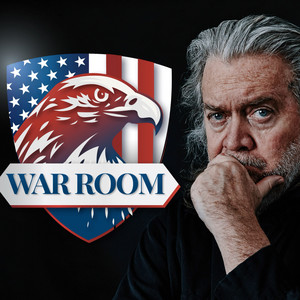


WASHINGTON — Steve Bannon, a former White House strategist and one of the most influential voices in the nationalist wing of American conservatism, is drawing renewed attention after bluntly condemning the idea of U.S. military strikes on Tehran, calling such a move “insane” and dangerously disconnected from America’s domestic realities.
Speaking during a recent episode of his political media program, Bannon argued that the United States should resist being pulled into a direct conflict with Iran, warning that bombing its capital could ignite a regional — or even global — war with catastrophic consequences.
“The problem in Tehran is not our problem,” Bannon said. “The problem in Minneapolis is our problem. We need to deal with our problems.”
A Restraint Argument, Not a Defense of Iran
Bannon’s comments were not framed as support for Iran or its leadership. Instead, they reflected a long-standing strain of “America First” foreign policy thinking that opposes overseas military intervention unless there is a direct, imminent threat to U.S. national security.
He emphasized that the United States remains deeply divided at home — politically, economically, and socially — and warned that launching another major war abroad would stretch American military resources while exacerbating internal instability.
“This country has fires burning at home,” Bannon said, pointing to crime, civil unrest, economic strain, and border security as issues demanding urgent attention.
Warning Against Foreign Entanglements
In one of the most pointed moments of his remarks, Bannon cautioned against allowing U.S. foreign policy to be driven by the strategic priorities of foreign leaders, including Benjamin Netanyahu. While reaffirming Israel’s right to defend itself, Bannon argued that American decision-makers must independently assess whether military escalation serves U.S. interests.
“We shouldn’t be picking a fight based on what Netanyahu wants to do,” he said.
The comment underscores a growing rift within conservative and Republican circles between traditional interventionists and a resurgent non-interventionist bloc skeptical of foreign wars following decades of costly engagements in Iraq and Afghanistan.
A Debate Reignited
Bannon’s remarks have resurfaced amid heightened tensions in the Middle East, where clashes between Iran-backed groups and Israeli forces have fueled concerns of a wider regional conflict that could draw in the United States.
Supporters of Bannon’s view argue that direct military action against Iran would risk massive civilian casualties, destabilize global energy markets, and potentially force U.S. troops into another long-term conflict with no clear exit strategy. Critics counter that restraint emboldens Iran and weakens deterrence.
The Broader Context
The clip circulating online has often been shared without context, leading some to mischaracterize Bannon’s position as sympathetic to Iran. In reality, his argument centers on prioritizing domestic stability and avoiding what he describes as reckless escalation.
As Washington debates its role in an increasingly volatile world, Bannon’s comments reflect a broader national question: how far the United States should go in confronting foreign threats when unresolved crises continue to mount at home.
For now, the remarks serve as a reminder that the debate over war, restraint, and national priorities remains far from settled — even within the same political movements that once championed aggressive foreign intervention.

No comments:
Post a Comment