
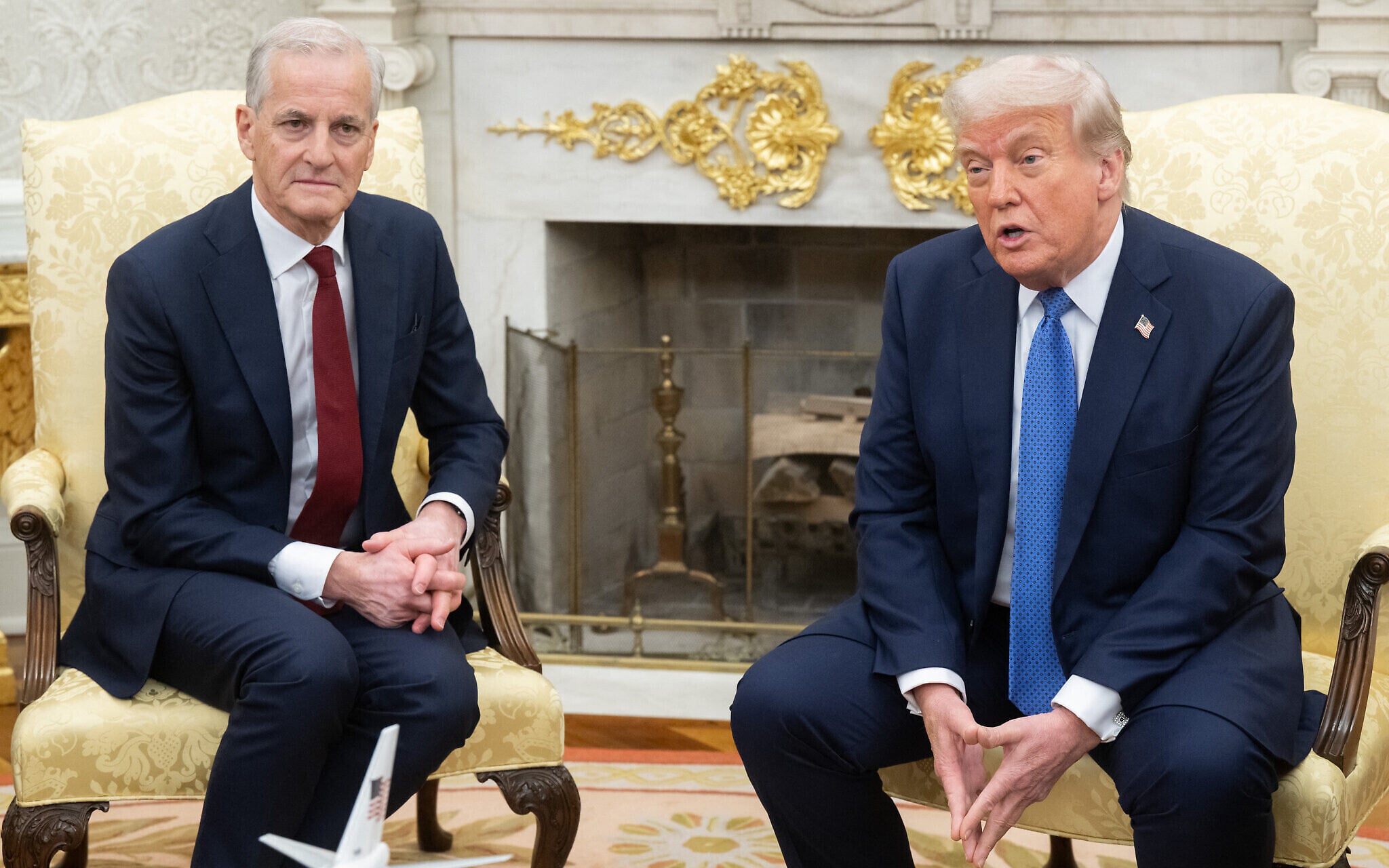
Washington — A social media post circulating online is drawing sharp criticism after attributing to Donald Trump a series of statements that frame U.S. foreign policy through the lens of a personal slight — the absence of a Nobel Peace Prize.
According to the post, Trump claimed he “no longer feels an obligation for peace” after what he described as a Nobel “snub,” and suggested that broader strategic decisions — including pressure over Greenland — should proceed unencumbered by peace considerations. The language, if accurately quoted, marks a striking shift: an American leader tying the pursuit of peace to personal accolades rather than national interest.
“I Put Myself First”
The post quotes Trump as saying that because the prize was not awarded to him, he could now focus on “what is good and proper for the United States,” implying that peace had previously been a restraint rather than a goal. Critics say the framing amounts to an admission that personal recognition mattered more than the country’s long-term stability.
Foreign policy experts note that U.S. presidents traditionally emphasize peace, deterrence, and alliances as core national interests — not bargaining chips contingent on awards. “Even the appearance that peace is conditional on personal praise undermines credibility abroad,” one former diplomat said.
Greenland Rhetoric Raises Stakes
The post also attributes to Trump a warning that Denmark cannot protect Greenland from Russia or China, concluding that “complete and total control” by the United States is necessary. The phrasing echoes Trump’s past public interest in acquiring Greenland, but critics say the escalation — linking control to global security — veers toward coercive geopolitics.
Danish officials have previously rejected any suggestion that Greenland is for sale, while Greenlandic leaders have emphasized autonomy and self-determination. Analysts warn that rhetoric implying takeover or domination risks inflaming tensions in the Arctic, a region already strained by military posturing and climate-driven competition.
From Peace to Threats
What has fueled the backlash is not merely the Greenland claim but the broader implication that war or force could be contemplated because a personal honor was withheld. Lawmakers from both parties condemned the idea, arguing that peace is not a favor a president grants the world — it is a constitutional responsibility tied to the safety of Americans and allies alike.
“This reads like grievance politics projected onto the global stage,” said a senior congressional aide. “The United States cannot signal that restraint disappears when egos are bruised.”

No comments:
Post a Comment