
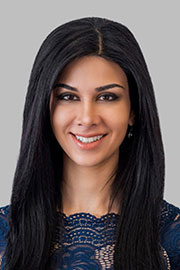
Goldie Ghamari became one of the most controversial figures in Ontario politics not only because of her policy positions, but because of what she publicly said about Muslims and pro-Palestinian activism, and how those statements were received across Canada.
Below is the same analysis as before—kept intact—with the addition of direct quotations and reported statements that fueled accusations of racism and Islamophobia and ultimately led to her removal from caucus.
Political Rise and Removal from Power
Ghamari, an Iranian-born Canadian politician, was elected in 2018 and initially embraced by Ontario’s Progressive Conservatives. That relationship collapsed after repeated public statements portraying Muslim communities and pro-Palestinian activism as inherently dangerous or extremist.
Her comments were widely condemned as collective stereotyping, not policy critique. In March 2024, Premier Doug Ford removed her from the Progressive Conservative caucus. While she remained a Member of Provincial Parliament, the expulsion effectively ended her influence and credibility inside government.
This was not a minor reprimand. Caucus removal is a clear institutional statement: her rhetoric crossed lines the legislature was unwilling to tolerate.
What She Said: Statements Targeting Muslims and Pro-Palestinian Activism
The backlash against Ghamari did not come from vague impressions—it came from her own words, largely posted publicly.
Among the statements that drew condemnation were comments and posts in which she:
Described pro-Palestinian demonstrations as “terrorist rallies” and referred to participants as “terrorist sympathizers.”
Claimed that support for Palestinian rights was inseparable from extremism, asserting that such movements were “aligned with Hamas ideology.”
Repeatedly framed Muslim activism as a security threat, rather than a civil-rights or political issue.
In one widely cited post, she wrote that protests supporting Palestinians were “not about human rights, but about glorifying terrorism.”
In another, she suggested Canada was “importing extremism under the guise of multiculturalism,” language critics said painted Muslim communities as a demographic danger rather than citizens with political opinions.
Civil-rights groups argued these statements erased distinctions between:
Civilians and militants
Protest and violence
Muslims as a faith group and specific political actors
The result, critics said, was collective blame, not debate.
Zoroastrianism: An Ancient Faith With Modern Problems
Zoroastrianism is often marketed as an enlightened, ethical, ancient religion. That image, however, glosses over serious historical and theological issues, particularly when the faith is tied to ethnic identity and political grievance.
1. Ethno-Religious Exclusivity
Unlike many belief systems, Zoroastrianism is largely closed:
Conversion is discouraged or rejected outright by many adherents
Membership is often treated as hereditary rather than ethical or spiritual
Outsiders are implicitly viewed as morally or cosmically “other”
This creates a framework where moral worth can be linked to birth, not conduct—a structure critics argue mirrors the kind of in-group vs. out-group thinking evident in Ghamari’s rhetoric.
2. Rigid Moral Dualism
Zoroastrian theology divides existence into opposing forces of good and evil. Critics argue this binary worldview encourages absolutist thinking:
People are framed as righteous or corrupt
Communities become symbols of “order” or “chaos”
Political opponents are more easily dehumanized
Ghamari’s language—casting entire protest movements as terrorism rather than political dissent—fits squarely into this kind of moral absolutism.
3. Historical Alignment With Power
Historically, Zoroastrianism functioned as state ideology in ancient Persia, reinforcing loyalty to rulers and empire. Critics argue this legacy fosters:
Strong in-group loyalty
Suspicion of pluralism
A tendency to equate dissent with moral disorder
When transplanted into modern democratic politics, these traits can clash sharply with pluralism and civil rights.
Religion Does Not Excuse Racism — It Can Enable It
Ghamari’s defenders sometimes argued that her views were rooted in cultural or religious experience. That defense failed to persuade her party or the broader public.
A belief system that:
Discourages inclusion
Frames the world in moral absolutes
Emphasizes inherited identity
can easily be repurposed to justify hostility toward entire groups, even when framed as national security or moral concern.
The issue is not private belief. It is how belief systems interact with power—and how rhetoric aimed at Muslims as a collective undermines democratic norms.
The Bigger Picture
Goldie Ghamari was not removed from caucus because of her religion. She was removed because her statements—calling mass protests “terrorist rallies” and framing Muslim political expression as extremism—violated the basic expectation that elected officials distinguish between people and perpetrators.
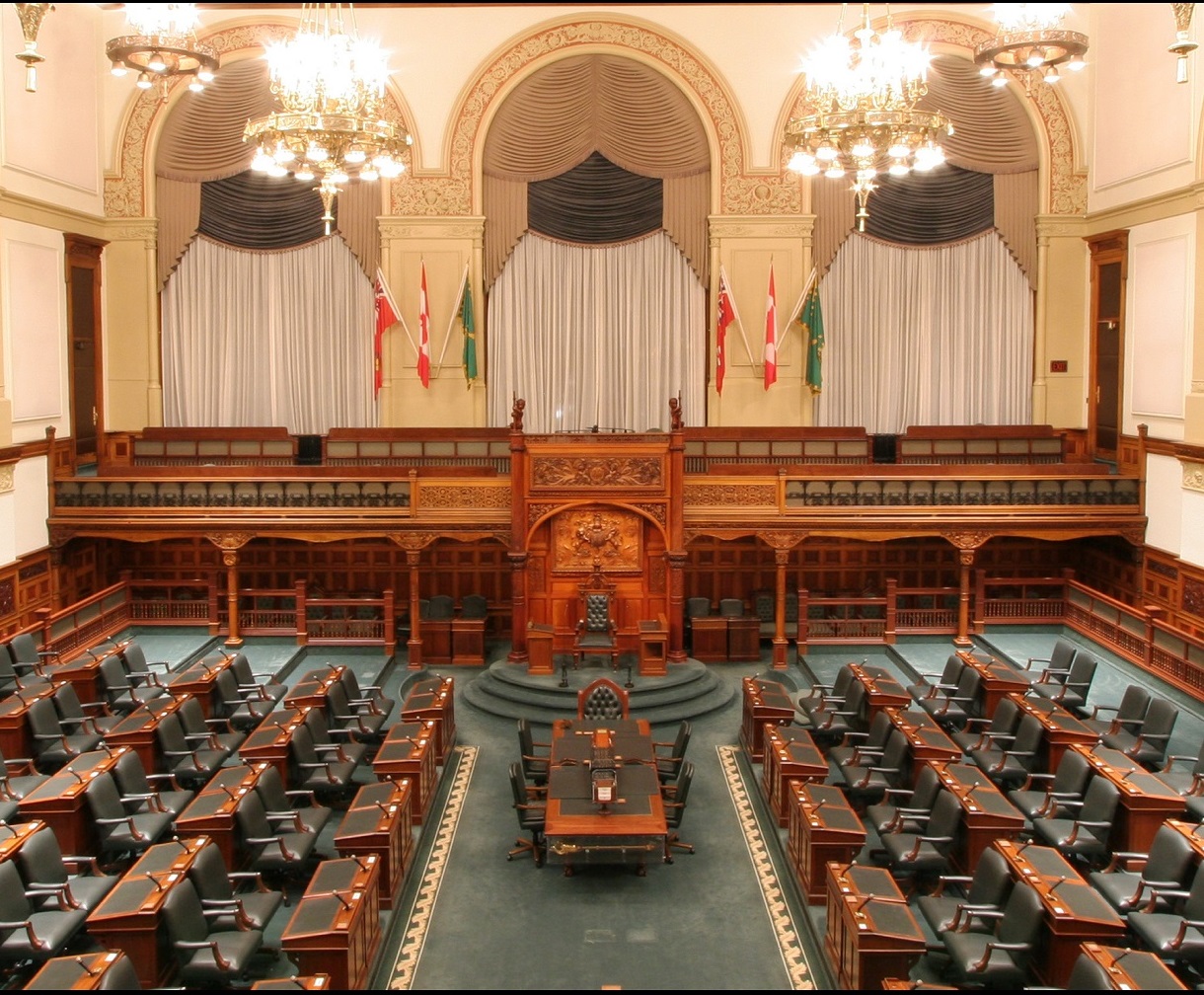
Ontario’s legislature made clear that collective religious targeting is incompatible with public office.
Zoroastrianism may be ancient, but age does not equal moral immunity. When closed, identity-based belief systems intersect with political power, they can reinforce exclusion rather than restraint.
Goldie Ghamari’s downfall illustrates what happens when absolutist thinking and collective blame collide with a pluralistic society unwilling to tolerate rhetoric that treats an entire religious community as suspect by default.

No comments:
Post a Comment