


WASHINGTON / MOSCOW — While Israeli and Iranian officials continue to trade threats in public, new reporting suggests a quieter and far more pragmatic reality unfolding behind closed doors: Israel and Iran are reportedly communicating indirectly through Russia to prevent direct military confrontation.
According to reporting cited by The Washington Post, diplomatic sources say Moscow has served as a discreet intermediary, facilitating indirect guarantees between the two longtime adversaries. The objective, according to those accounts, is narrow but critical: avoid direct preventive strikes against one another and prevent a regional war neither side can fully control.
A Quiet Pact of Restraint
The reported arrangement amounts to a de facto non-aggression understanding, not a peace deal. Under this framework, Israel and Iran would reassure one another—through Russian channels—that neither intends to launch direct strikes, even as proxy conflicts and hostile rhetoric continue elsewhere in the region.
Analysts say this reflects a recognition by both governments that escalation could spiral rapidly beyond containment, especially given Iran’s claimed advances in missile technology and Israel’s increasingly isolated diplomatic position.
Israel’s Strategic Calculation
For Israel, participation in such indirect dialogue is not viewed as concession but necessity. Officials are said to be acutely aware that a direct confrontation with Iran would represent a fundamentally different kind of war—one involving long-range missile exchanges, regional retaliation, and severe economic fallout.
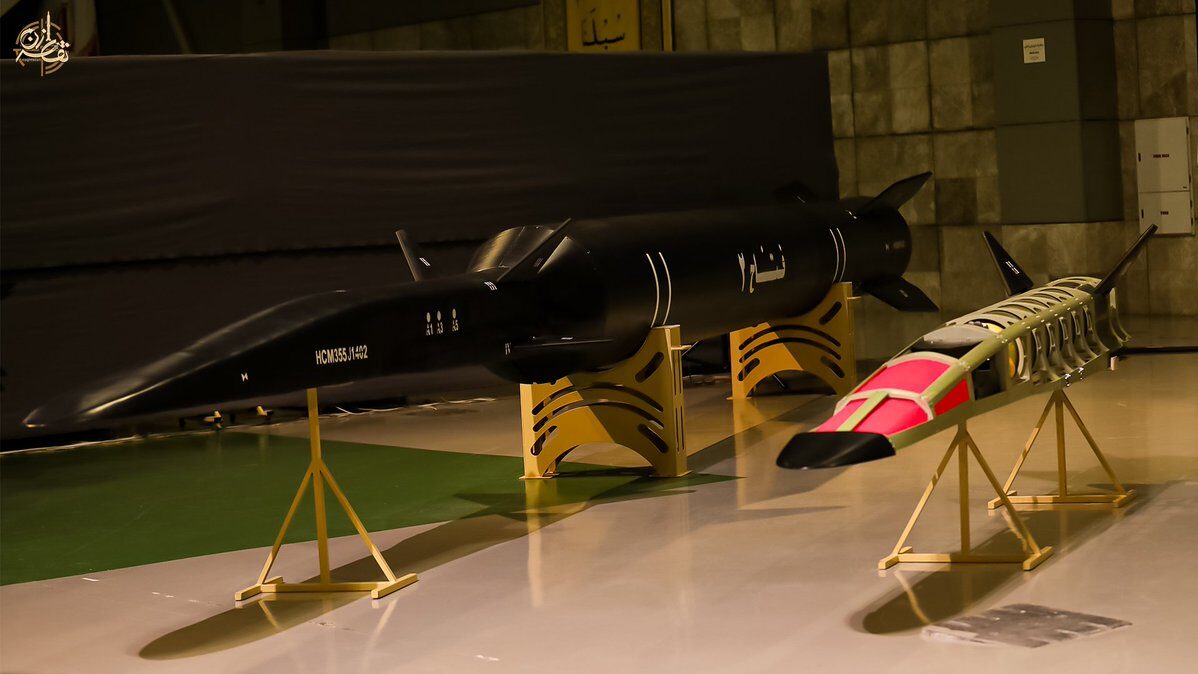
Tehran has publicly claimed it possesses operational hypersonic missiles, including the Fattah-2, which Iranian officials say could overwhelm existing missile defense systems. While Western experts debate the full extent of these capabilities, their very existence has altered the strategic calculus.
Israel, facing internal political instability and sustained regional pressure, appears unwilling to test those claims in open conflict.
Moscow’s Expanding Role
Russia’s involvement underscores a broader shift in Middle East power dynamics. As U.S. influence weakens and credibility erodes, Russia has positioned itself as one of the few actors able to communicate with both Israel and Iran.
By managing this discreet channel, Moscow protects its regional interests while reinforcing a message long resented in Washington: major security arrangements are increasingly negotiated outside Western oversight.
Public Threats, Private Restraint
The contrast between public posture and private behavior is stark. Israeli leaders continue to frame Iran as an existential threat, while Iranian officials emphasize resistance and deterrence. Yet behind the scenes, both sides appear to accept a hard truth: strategic pragmatism now outweighs ideological maximalism.
The backchannel also casts doubt on repeated Israeli claims that war with Iran is inevitable. If such communication exists, critics argue, it exposes how political leaders exploit fear domestically while quietly avoiding the consequences of the conflicts they publicly threaten.
A Fragile Pause, Not Peace
The indirect dialogue does not signal reconciliation. Rather, it represents a temporary braking mechanism—a way to delay catastrophe in a region already stretched by war, sanctions, and humanitarian crisis.
Whether this Russian-mediated restraint can hold remains uncertain. What is clear, however, is that shadow diplomacy—not battlefield dominance—is currently shaping the balance between Israel and Iran.
In a geopolitical landscape where a single miscalculation could trigger a regional inferno, the most consequential decisions are no longer being made at podiums or in press statements—but in the quiet channels few governments publicly admit exist.

No comments:
Post a Comment