Showing posts with label mossad. Show all posts

Sunday, March 22, 2026

“Secret Service vs. Mossad? Explosive Claim Alleges Plot Targeting President Trump’s Vehicle”


When a figure with a large platform like Tucker Carlson repeats a claim not once—but twice—it demands attention. Carlson has stated that the United States Secret Service intercepted operatives tied to Mossad attempting to attach a device to a vehicle used by Donald Trump. He further indicated the operation was connected to Israeli Prime Minister Benjamin Netanyahu.

If this allegation is accurate, it is not merely espionage—it is a direct act against the security of the President of the United States.

Not Just Espionage—A Red Line

Let’s dispense with euphemisms. Allies do spy on each other. That’s reality. But attempting to place a device on a vehicle tied to a sitting U.S. president crosses into something far more serious:

  • A physical breach of presidential security

  • A potential act of technological surveillance or sabotage

  • A direct intrusion into U.S. sovereign protections

If operatives connected to Mossad were involved, it would represent one of the most aggressive intelligence actions ever alleged between the United States and Israel.

A Pattern That Cannot Be Ignored

This would not exist in a vacuum. There is historical precedent for aggressive intelligence collection—even among allies. Cases in past decades have shown that even close partners sometimes push boundaries when strategic interests are at stake.

But this allegation, as described by Carlson, would mark a dramatic escalation—from intelligence gathering to a potential targeting of presidential security infrastructure.

That is not business as usual. That is a line crossed.

Why Carlson’s Claim Carries Weight

Carlson is not an anonymous online voice. He is one of the most watched political commentators in the country, with access to sources and a track record of breaking narratives that later gain traction.

The fact that he has repeated this claim suggests he believes it is credible.

And here is the uncomfortable reality:
Many of the most explosive intelligence stories in U.S. history were initially dismissed or ignored before later being confirmed.

The Silence Is the Story

Despite the seriousness of the allegation, there has been:

  • No clear denial from the United States Secret Service

  • No detailed rebuttal from U.S. intelligence agencies

  • No forceful public response from the Israeli government

That absence of clarity raises legitimate questions. If the claim is baseless, why hasn’t it been decisively debunked? If it has merit, why hasn’t it been addressed?

In national security matters, silence is rarely meaningless.

What This Would Mean

If Carlson’s account is validated, the consequences would be immediate and severe:

  • Congressional investigations into foreign interference

  • A major rupture in U.S.–Israel relations

  • Potential criminal implications depending on intent and actions

Most importantly, it would confirm that a foreign intelligence service attempted to penetrate the protective bubble around the President of the United States.

That is not just controversial—it is intolerable.

Bottom Line

At this moment, the claim remains unverified publicly. But its seriousness cannot be dismissed, and the questions it raises cannot be ignored.

If Mossad operatives truly attempted to tamper with a vehicle tied to Donald Trump, then this is not a diplomatic misunderstanding—it is a national security crisis.

And if that possibility exists, the American people deserve answers.

Sunday, March 8, 2026

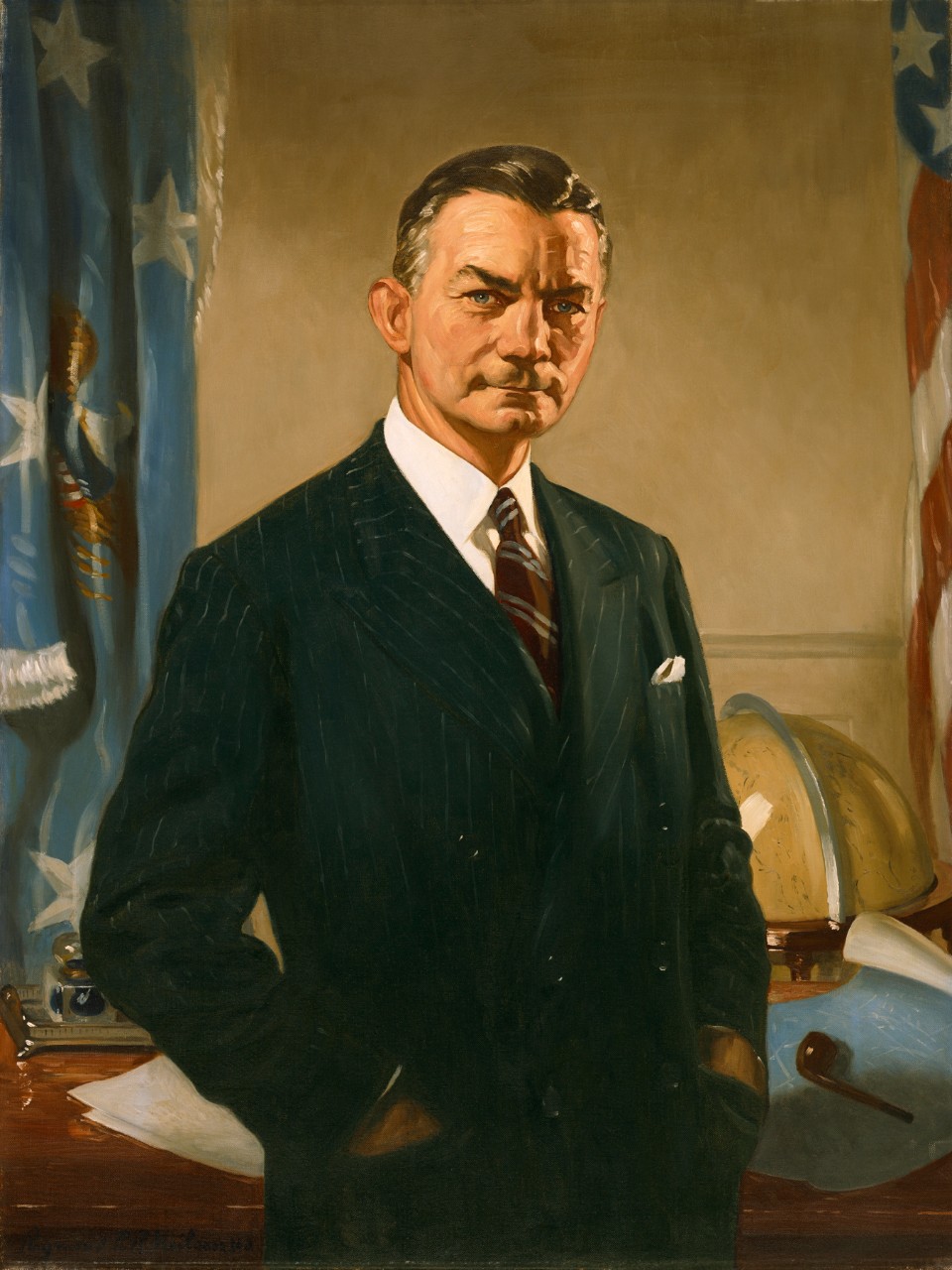
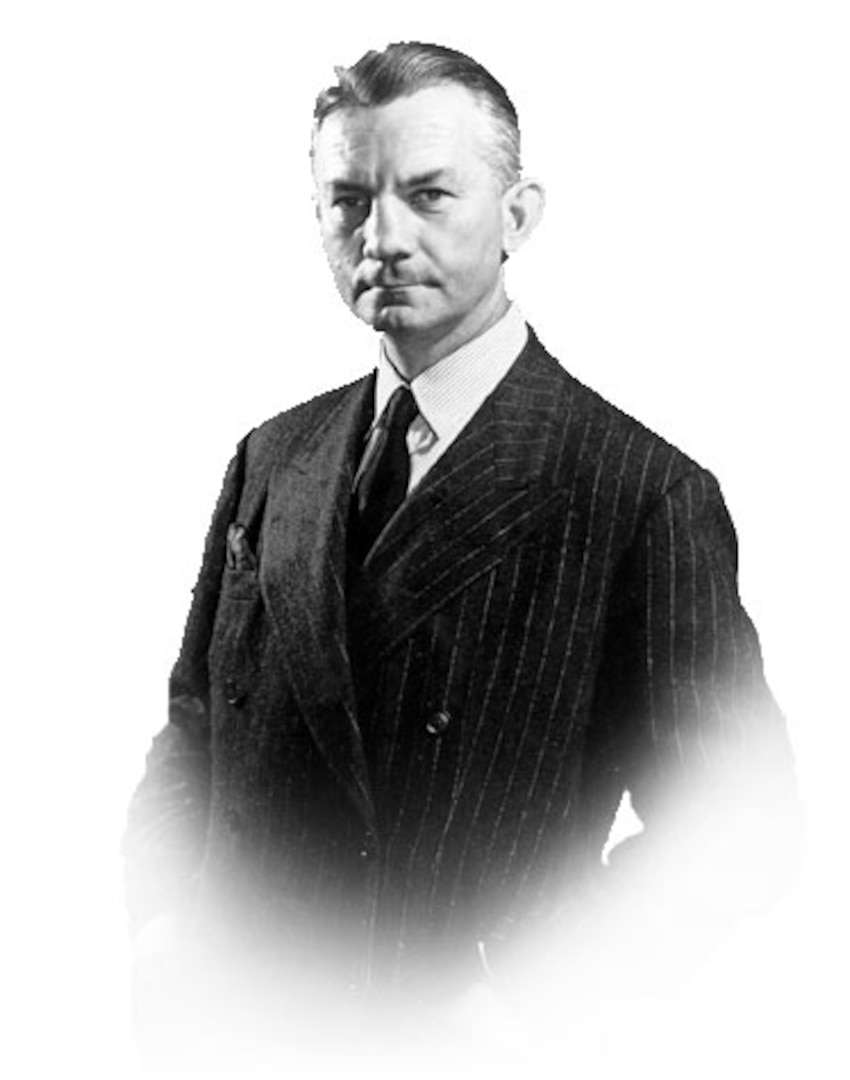
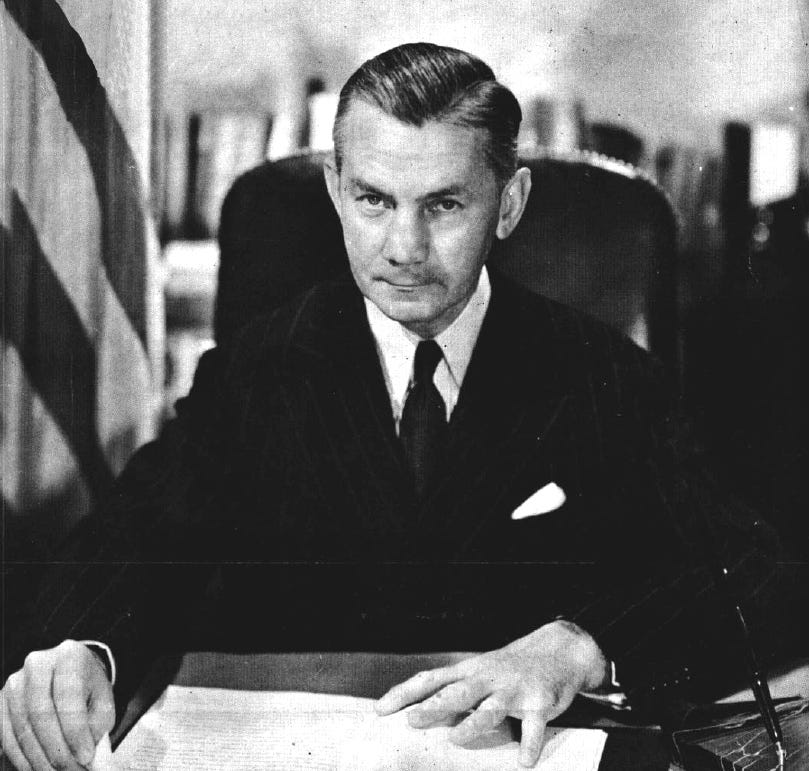
The Mysterious Death of Secretary James Forrestal: Suicide or Silenced By The CIA?


James Forrestal

Image

Image

Image

Image


The death of James Forrestal, the first Secretary of Defense of the United States, remains one of the most controversial and suspicious deaths in early Cold War history. Officially ruled a suicide, many historians, researchers, and intelligence analysts argue the circumstances surrounding his death raise serious questions — questions that have never been fully answered.

On May 22, 1949, Forrestal fell from the 16th floor of Bethesda Naval Hospital, where he had been placed under psychiatric observation after resigning from office two months earlier. The government quickly concluded he had taken his own life.

But the details surrounding his death tell a far more troubling story.


A Powerful Man Removed at a Critical Moment

At the time of his resignation in March 1949, Forrestal was one of the most powerful figures in Washington. He had been central to the creation of the modern U.S. national security apparatus following World War II.

He was instrumental in implementing the National Security Act of 1947, which created the modern defense establishment and the Central Intelligence Agency.

But Forrestal had also become a political problem.

He was deeply suspicious of expanding covert intelligence power and was increasingly alarmed by the growing influence of intelligence agencies within U.S. foreign policy. Critics inside Washington described him as increasingly isolated and outspoken about the dangers of secret intelligence operations shaping global politics.

In the volatile early years of the Cold War, that kind of dissent made powerful enemies.


The Night of His Death

According to official reports, Forrestal fell from a window in his hospital room sometime in the early morning hours.

But several details remain deeply suspicious:

• The room was supposed to be guarded, yet no guard witnessed the fall.
• The window he allegedly jumped from had safety screens installed in most rooms, yet his did not.
• A bathrobe cord tied to a radiator was reportedly found in the room, suggesting an attempted hanging that somehow turned into a fall from a window.
• No suicide note was found.
• Witnesses reported he had shown signs of improvement shortly before his death.

Perhaps most troubling, portions of the official Navy investigation were classified for years, fueling speculation that the full truth was deliberately concealed.


The Political Climate of 1949

To understand why Forrestal’s death raises suspicion, one must understand the moment in which it occurred.

The United States was rapidly restructuring its national security system:

• The CIA was expanding its covert operations powers.
• The Cold War with the Soviet Union was intensifying.
• Intelligence agencies were gaining unprecedented influence over foreign policy.

Forrestal was known to be deeply concerned about the direction this power structure was taking.

Some contemporaries described him as increasingly alarmed by the idea that unelected intelligence officials could operate beyond public oversight.

In other words, he had become a man inside the system questioning the system itself.


The Assassination Theories

Over the decades, several theories have emerged suggesting Forrestal did not die by suicide.

1. The Intelligence Silencing Theory

One of the most persistent theories is that Forrestal was eliminated because he knew too much about the emerging intelligence apparatus.

As the first Secretary of Defense, he had access to some of the most sensitive information in the U.S. government. If he had begun speaking openly about covert operations or internal power struggles, it could have posed a serious threat to the emerging intelligence structure.

Under this theory, his removal would have been a calculated act of containment.


2. The CIA Power Struggle Theory

Some researchers argue Forrestal was uneasy about the rapid growth of the Central Intelligence Agency and the shift toward covert operations.

Though he helped implement the National Security Act, insiders later suggested he worried the intelligence community could become too powerful and unaccountable.

If he had begun opposing that expansion, he may have become an obstacle.


3. The Foreign Policy Conflict Theory

Forrestal also had strong opinions on early Cold War strategy, including concerns about U.S. involvement in global conflicts and the balance of military power.

In the volatile political environment of 1949, disagreements at that level could easily escalate into power struggles with enormous stakes.


The Convenient Diagnosis

Shortly before his death, Forrestal was publicly labeled mentally unstable.

Critics of the official narrative argue this diagnosis conveniently discredited him at the exact moment he was being removed from power.

Once a figure is declared mentally unwell, anything they say can be dismissed — and any suspicious death can be easily explained.

It is a pattern that appears repeatedly in the history of intelligence and political conflicts.


The Missing Answers

More than seventy-five years later, key questions remain unanswered:

• Why was a high-profile patient left unguarded near an open window?
• Why were parts of the investigation classified?
• Why did the official explanation contain inconsistencies?
• And why was the case closed so quickly?

For many researchers, the simplest explanation is also the most disturbing: Forrestal may have known too much about the emerging intelligence state at a moment when powerful interests needed silence.


A Death That Still Echoes

Whether suicide or something darker, the death of James Forrestal remains one of the most controversial episodes of the early Cold War.

He was a man at the center of the creation of America’s national security system — and he died just as that system was consolidating power.

For critics of the official narrative, the question has never gone away.

Was Forrestal a troubled man who took his own life — or was he a powerful insider who became inconvenient at the wrong moment in history?

The truth may still lie buried in the classified shadows of the early Cold War.