

A wave of mass protests spanning multiple countries is intensifying scrutiny of the ongoing Iran war, as public opposition grows in both the United States and Israel. Demonstrations reported over the past 24 hours signal a widening disconnect between government policy and civilian sentiment, raising questions about the long-term sustainability of the conflict.
Israel: Protests Under Wartime Pressure




In Israel, thousands of demonstrators reportedly gathered in more than 20 cities in what observers describe as one of the largest anti-war protest movements since the conflict began. Protesters voiced frustration with the government’s handling of the war and accused leadership of prolonging hostilities amid mounting civilian strain.
Authorities responded by invoking wartime emergency restrictions, dispersing demonstrations and making arrests. Reports of clashes between police and protesters have circulated widely, though exact figures remain difficult to independently verify.
The protests come as Israeli civilians continue to face sustained missile threats, forcing many into shelters during repeated alerts. The juxtaposition of nighttime missile defenses and daytime demonstrations reflects a population increasingly divided over the war’s direction.
United States: Nationwide Demonstrations Expand
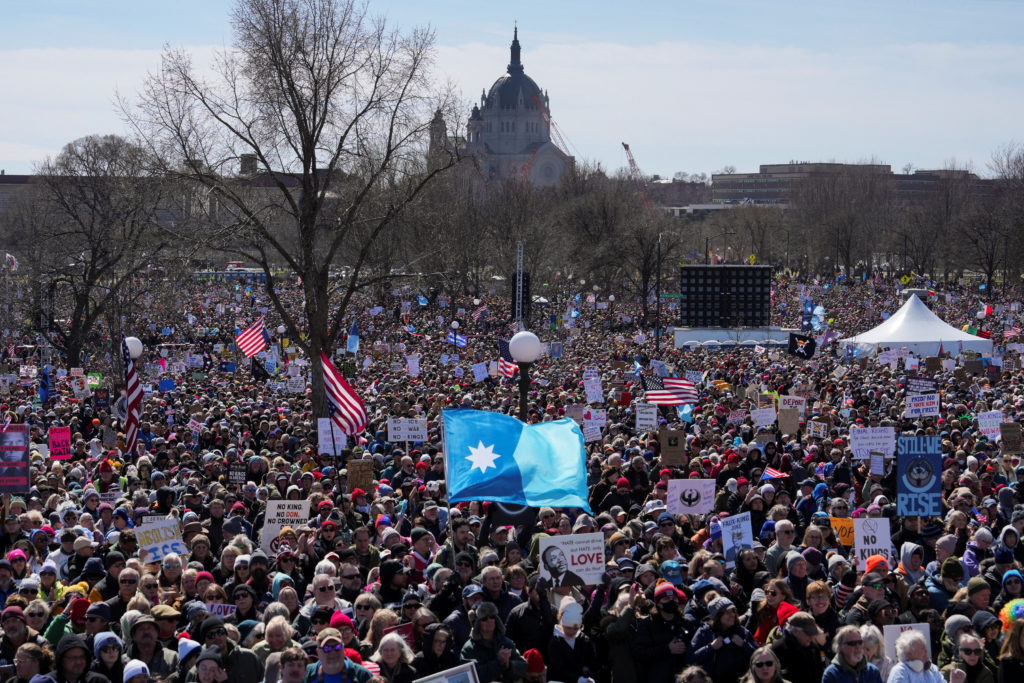
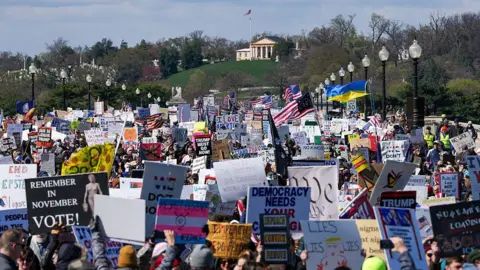


In the United States, large-scale protests have been reported across all 50 states, with demonstrations taking place in thousands of locations. While participation estimates vary, organizers and observers describe the turnout as among the largest coordinated protest actions in recent years.
The demonstrations reflect a growing trend of escalating public opposition over time, with successive waves of protests drawing increasing numbers of participants. Protesters have criticized the war’s costs, objectives, and broader geopolitical consequences.
Federal officials have publicly downplayed the demonstrations’ impact, though multiple statements addressing public concern suggest the issue remains a point of internal attention.
International Ripple Effects

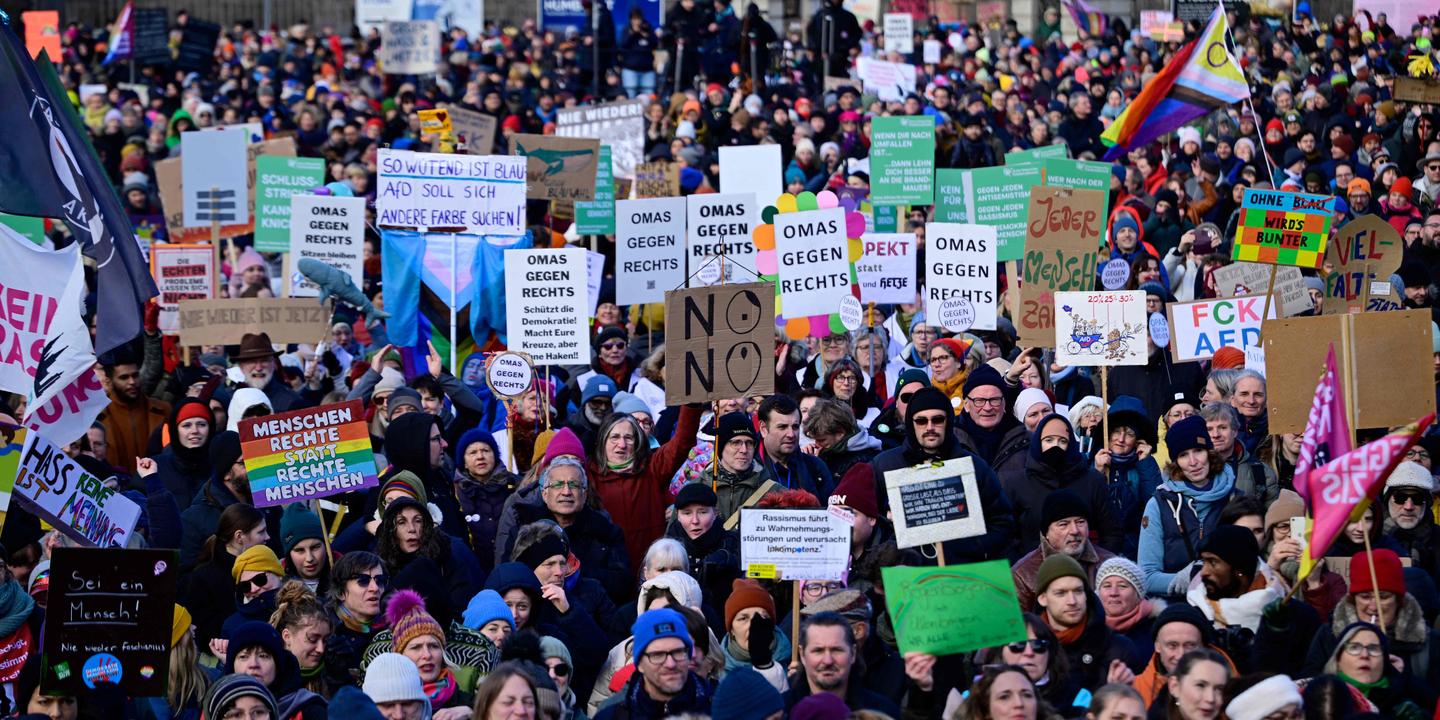
The protest movement is no longer confined to the United States and Israel. Demonstrations have begun appearing in major European cities, including Paris and Berlin, indicating that opposition to the war is spreading among allied nations.
Analysts note that synchronized protest activity across multiple countries is relatively rare and may signal broader dissatisfaction with the conflict’s trajectory and international coordination.
Political and Strategic Implications
The scale and simultaneity of these protests could carry significant political consequences. In Israel, criticism of Prime Minister Benjamin Netanyahu has intensified, with opponents arguing that the war is being prolonged amid domestic political pressures.
In the United States, the protests add to a growing list of domestic concerns surrounding the war, including economic strain and geopolitical risk. Public opinion trends, if sustained, could influence future policy decisions and electoral dynamics.
Additionally, reports of declining international perceptions of democratic governance in the U.S. have added another layer to the debate, though such rankings are often contested and vary by methodology.
A Turning Point or Temporary Surge?
Whether this surge in protest activity represents a lasting shift or a temporary peak remains uncertain. However, the convergence of mass demonstrations across multiple allied nations underscores a critical moment in public perception of the war.
For now, one conclusion is clear: opposition to the conflict is no longer isolated or fragmented. It is increasingly organized, visible, and international in scope—placing new pressure on leaders to justify the war’s direction and outcome.

No comments:
Post a Comment