

A wave of conflicting claims is circulating regarding a purported U.S. military operation inside Iran, centering on what has been described as a rescue mission tied to a downed F-15 Eagle fighter aircraft. While details remain unverified and highly contested, the narrative being pushed raises serious logistical, strategic, and credibility questions.
The "official" F-15 rescue mission story:
April 1: Report Trump aims to seize Iran's uranium
April 3: Top U.S. Army officials fired over Iran dispute
April 3: U.S. F-15E shot down over Iranian soil
April 3: U.S. reportedly extracts 1 of 2 pilots from Iran
April 3: 2nd pilot suffers concussion & sprained ankle
April 4: 2nd pilot runs 200km & scales 2km mountain
April 4: Rescue mission deploys with 100+ special ops
April 4: Said 'rescue mission' involves 155 aircraft
April 4: Search mission lands near Natanz nuclear plant
April 4: Landing location is 200km from F-15 crash site
April 4: 2 military transport planes 'get stuck' in mud
April 5: USAF bombs grounded C-130 & helicopters
April 5: Special ops forces evacuated from Isfahan site
April 5: Trump claims they evacuated second airman
The Official Narrative — A Rescue Mission
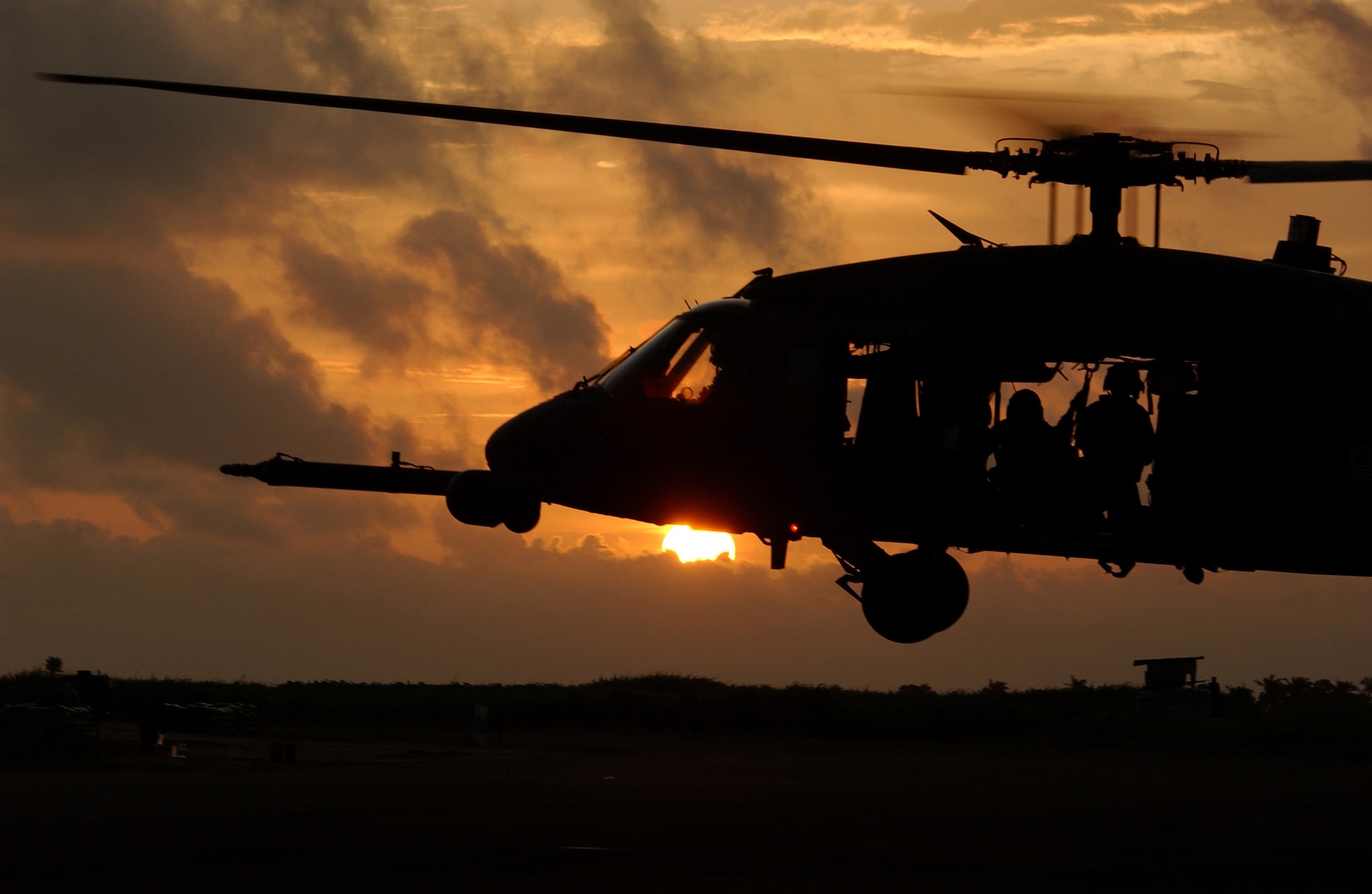
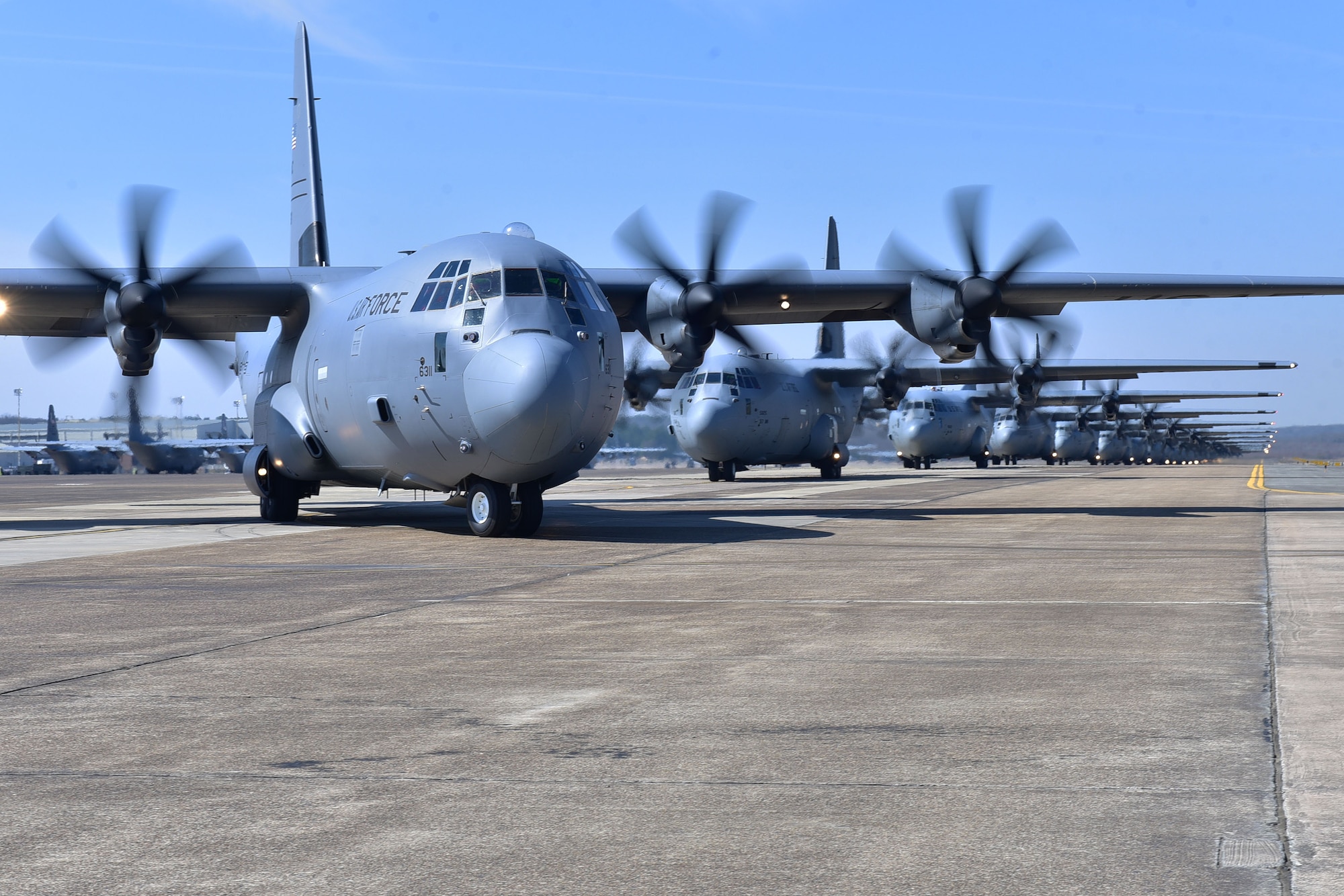
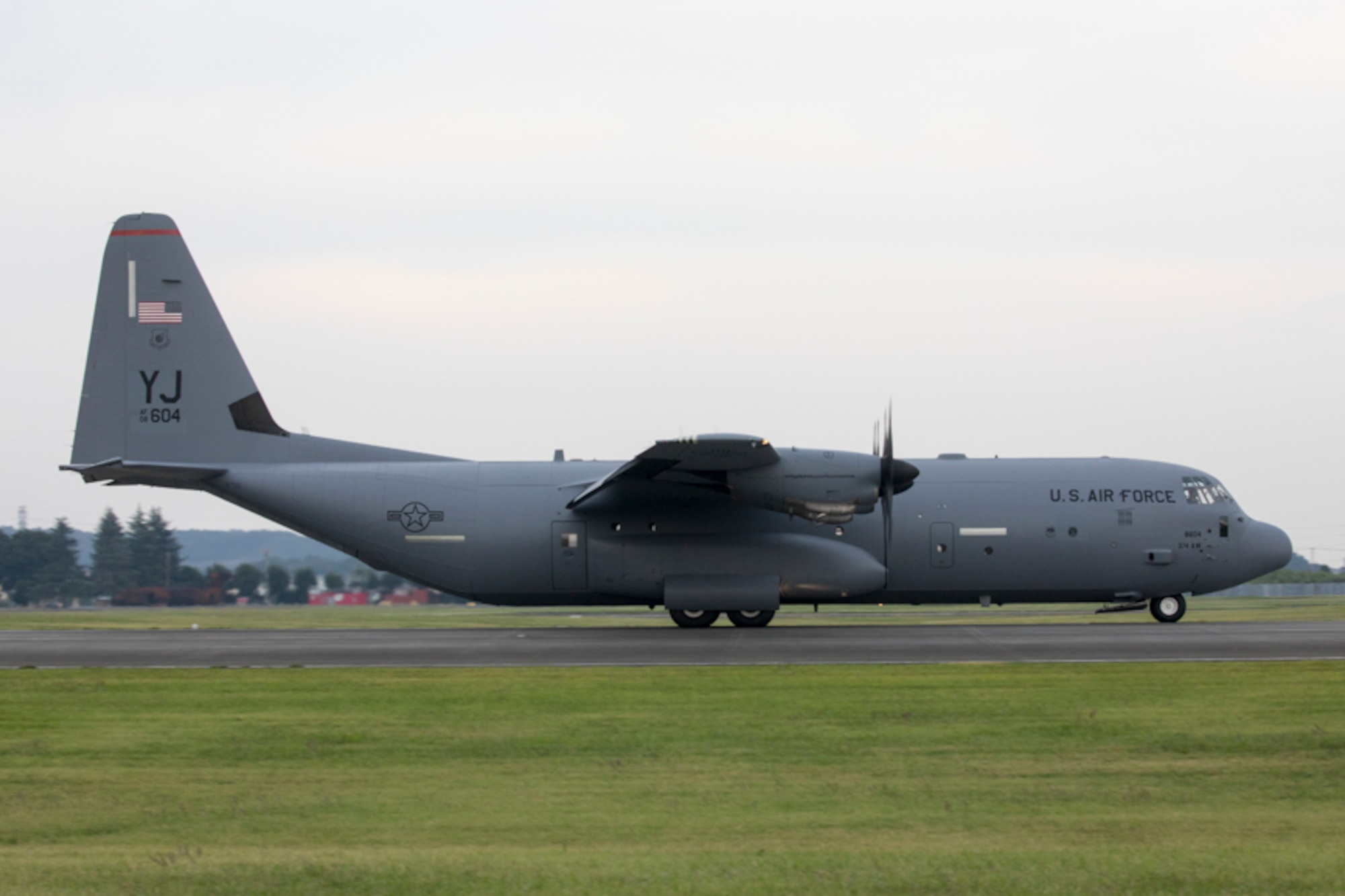
According to circulating reports, U.S. forces launched a high-risk rescue operation in Iran’s Isfahan region to recover a pilot from a downed aircraft. The mission allegedly involved two Sikorsky UH-60 Black Hawk helicopters and a Lockheed C-130 Hercules transport plane—assets typically associated with special operations and personnel recovery missions.
Such missions are not unprecedented. The U.S. military has long maintained a doctrine of retrieving downed pilots, even in hostile territory, often under extreme conditions. These operations are designed to be swift, precise, and heavily coordinated.
But almost immediately, inconsistencies begin to emerge.
The Geographic Problem
One of the most glaring issues lies in the reported locations.
The F-15 is said to have been shot down in Iran’s Khuzestan region, near the Kuwaiti border. Meanwhile, the alleged rescue operation took place in Isfahan—roughly 1,000 kilometers away.
That distance is not trivial. In military terms, it represents a completely different operational theater. Conducting a rescue mission so far from the crash site raises a fundamental question:
Why would U.S. forces deploy deep into central Iran for a pilot reportedly downed near the country’s southwestern edge?
Claims of Total Loss
Adding to the confusion are reports that all aircraft involved in the supposed rescue mission—the two Black Hawks and the C-130—were destroyed.
If true, this would represent a catastrophic operational failure, far beyond a standard extraction attempt. Losing multiple aircraft in hostile territory would likely trigger significant international attention and official acknowledgment.
Yet, as of now, there has been no confirmed, verifiable statement from the Pentagon addressing such losses.
Alternative Theory — A Covert Retrieval Operation
The inconsistencies have fueled an alternative and far more explosive theory: that the mission was never about rescuing a pilot at all.
Instead, some claim the real objective may have been to recover sensitive material—specifically, a reported 400 kilograms of enriched uranium allegedly located in or near Isfahan.
Isfahan is known to host key components of Iran’s nuclear infrastructure, making it a strategically significant location. Any attempt to extract nuclear material from such a site would represent a major escalation, carrying enormous geopolitical consequences.
However, there is currently no independently verified evidence supporting this claim.
Fog of War — And Information Warfare
Situations like this highlight the growing role of information warfare alongside conventional military operations. Competing narratives—ranging from dramatic rescue missions to covert nuclear retrievals—can spread rapidly, especially in the absence of confirmed facts.
What is clear is that the story, as presented, contains major gaps:
A reported crash site and rescue location separated by vast distance
Allegations of multiple aircraft losses without official confirmation
Claims of a highly sensitive nuclear objective without supporting evidence
Each of these elements alone would demand scrutiny. Combined, they create a narrative that is difficult to reconcile without additional verified information.
What Comes Next
Until credible confirmation emerges from official or independently verified sources, the claims surrounding this alleged operation should be treated with caution.
If any portion of the story proves accurate—whether a downed aircraft, a failed rescue, or a deeper covert objective—the implications would be significant, potentially escalating tensions across an already volatile region.
For now, the situation remains a case study in how modern conflicts are fought not only on the battlefield, but in the information space—where uncertainty can be as powerful as any weapon.

No comments:
Post a Comment