Tuesday, April 7, 2026

Pakistan proposes 2-week ceasefire between U.S. and Iran ahead of Trump deadline


ISLAMABAD — Shehbaz Sharif on Tuesday called for a two-week ceasefire between the United States and Iran, urging both sides to pause hostilities and allow diplomatic negotiations to continue as a U.S. deadline for potential military action approached.

The proposal comes hours before a deadline set by Donald Trump to reach an agreement with Iran or face possible large-scale strikes on Iranian infrastructure.

Sharif said the temporary ceasefire would provide space for ongoing negotiations, which officials say have shown signs of progress in recent days. Pakistan has been acting as a key intermediary between Washington and Tehran in recent weeks.

“To allow diplomacy to run its course, I earnestly request President Trump to extend the deadline for two weeks,” Sharif said in a statement posted on social media. He also called on Iran to reopen the Strait of Hormuz during that period as a goodwill gesture.

Sharif added that “all warring parties” should observe a ceasefire to help achieve a longer-term resolution and stability in the region.

The White House acknowledged the proposal but did not immediately indicate whether it would be accepted. Press secretary Karoline Leavitt said the president had been briefed and a response would be forthcoming.

A senior Iranian official told Reuters that Tehran is “positively reviewing” the proposal, suggesting potential openness to a temporary pause in tensions.

The ceasefire proposal comes amid heightened concern over the risk of escalation in the Middle East, particularly involving the Strait of Hormuz, a critical global oil transit route. Any disruption there could have significant economic and security implications worldwide.

Diplomatic efforts between the United States and Iran have intensified in recent days, with officials indicating that progress has been made, though no agreement has yet been finalized.

If accepted, the two-week pause could serve as a temporary off-ramp, allowing negotiators additional time to reach a broader deal and potentially avert military confrontation.


ARE WE NOW A DICTATORSHIP? As Donald Trump Issues Civilizational Threats, Congress Drifts Into Silence


At what point does a republic stop functioning like one?

That is no longer an abstract question. It is a live, urgent, unavoidable reality.

Because as Donald Trump openly threatens that an entire civilization — tens of millions of Iranian people — could “die,” the United States Congress, the constitutional check designed to stop exactly this kind of unilateral escalation, is nowhere to be found.

Not debating.
Not intervening.
Not even consistently acknowledging the gravity of what is unfolding.

So the question must be asked plainly:

Are we still a constitutional republic — or are we drifting into something far closer to a dictatorship?


When Power Goes Unchecked

The American system was never designed to rely on the restraint of one person.

It was designed to prevent it.

Congress holds the power to declare war. Congress holds the power of oversight. Congress holds the responsibility to act when a president crosses legal, moral, or constitutional boundaries.

Yet in this moment, lawmakers are largely absent — politically, physically, and institutionally.

While a president discusses devastating a nation’s infrastructure — actions that legal scholars warn could violate the Geneva Conventions — much of Congress continues with routine messaging, local updates, and political talking points.

That is not oversight.

That is disengagement at a moment of maximum consequence.


Silence Is Not Neutral

Some Democrats have spoken out forcefully, calling the rhetoric dangerous, even criminal. A handful of Republicans have expressed discomfort.

But institutionally — as a body — Congress has not acted.

No emergency session.
No immediate legislative response.
No unified assertion of authority under the War Powers Resolution.

And that matters.

Because power does not need to be formally seized to become absolute. It only needs to go unchallenged.

When one branch escalates and the other fails to respond, the balance collapses.


The Illusion of “Normal”

Perhaps the most disturbing detail is not just the threat itself — but the reaction to it.

Or rather, the lack of one.

Lawmakers posting about events, grants, weather, celebrations — as if this is just another day in American politics — while a president signals the potential destruction of a modern nation.

That normalization is how systems erode.

Not through one dramatic break, but through a steady acceptance that what once would have been unthinkable is now just “how things are.”


What Defines a Dictatorship?

A dictatorship is not defined only by titles or formal declarations.

It is defined by conditions:

Unchecked executive power
Weak or non-functioning legislative oversight
Normalization of extreme state actions
Fear or unwillingness among political actors to confront authority

Ask yourself, honestly, how many of those conditions are now present.

Because when a president can threaten actions with global, potentially catastrophic consequences — and the legislative branch responds with fragmentation, delay, or silence — the system is no longer operating as designed.


The Constitutional Breaking Point

The Founders did not fear disagreement. They expected it.

What they feared was concentration of power without resistance.

That is why they built a system where ambition would counter ambition — where each branch would defend its authority not out of altruism, but necessity.

But that system only works if those in power choose to exercise it.

Right now, Congress is not.


The Question That Will Define This Moment

History will not ask whether statements were walked back, clarified, or politically reframed.

It will ask something much simpler:

When the moment came to act, did Congress act?

And if the answer is no — if lawmakers allowed threats of mass destruction to hang in the air without immediate, forceful intervention — then the implications go far beyond one president or one crisis.

It speaks to whether the system itself is still functioning.


Final Reality

America does not become a dictatorship overnight.

It becomes one when power expands — and no one stops it.

And right now, with the world watching and the stakes measured in human lives, the question is no longer theoretical:

If Congress will not act now, when will it ever?

A TIMELINE OF TRUMP "DEFEATING" IRAN


Mar 3: "We won the war."

Mar 7: "We defeated Iran."

Mar 9: "We must attack Iran."

Mar 9: "The war is ending almost completely, and very beautifully."

Mar 11: “You never like to say too ⁠early you won. We won. In ​the first hour it was over.” Mar 12: "We did win, but we haven't won completely yet."

Mar 13: "We won the war."

Mar 14: "Please help us."

Mar 15: "If you don't help us, I will certainly remember it."

Mar 16: "Actually, we don't need any help at all."

Mar 16: "I was just testing to see who's listening to me."

Mar 16: "If NATO doesn't help, they will suffer something very bad."

Mar 17: "We neither need nor want NATO's help."

Mar 17: "I don't need Congressional approval to withdraw from NATO."

Mar 18: "Our allies must cooperate in reopening the Strait of Hormuz."

Mar 19: "US allies need to get a grip - step up and help open the Strait of Hormuz."

Mar 20: "NATO are cowards."

Mar 21: "The Strait of Hormuz must be protected by the countries that use it. We don't use it, we don't need to open it."

Mar 22: "This is the last time. I will give Iran 48 hours. Open the strait"

Mar 22: "Iran is Dead"

Mar 23: "We had very good and productive talks with Iran."

Mar 24: "We’re making progress."

Mar 25: “They gave us a present and the present arrived today. And it was a very big present worth a tremendous amount of money. I’m not going to tell you what that present is, but it was a very significant prize.” 

Mar 26: "Make a deal, or we’ll just keep blowing them away."

Mar 27: "We don’t have to be there for NATO."

Mar 28: No major quote

Mar 29: Claimed talks were progressing

Mar 30: "Open the Strait of Hormuz immediately, or face devastating consequences."

Mar 31: Claimed a deal was "very close" and that Iran would "do the right thing"

Apr 1: "We’ll see what happens very soon."

Apr 2: Repeated that a deal was likely, while warning of continued strikes if not

Apr 3: "Something big is going to happen."

Apr 4: Said Iran must comply "immediately" or face further consequences.

Apr 5: "Open the f*ckin' Strait, you crazy bastards, or you'll be living in Hell - JUST WATCH! Praise be to Allah."


This man is off his rocker and the 25th Amendment should be invoked.

Trump: A Whole Civilization Will Die Tonight


 Trump’s Threat Against Iran Raises Alarms Over Potential Violations of International Law

In a statement that has sent shockwaves through diplomatic and legal circles, Donald Trump publicly warned that “a whole civilization will die tonight” if Iran failed to comply with his demand to reopen the Strait of Hormuz by a fixed deadline. The language was not only extraordinary in its severity — it may also expose the United States to grave violations of international law.

This is no longer rhetoric. This is a stated willingness to inflict catastrophic destruction on a nation’s civilian infrastructure.

Under the Geneva Conventions, the rules of war are not optional. They are binding legal obligations designed to protect civilians during armed conflict. Central to those rules is the principle of distinction — the requirement that military forces must distinguish between military targets and civilian objects. Power plants, water systems, and bridges used by civilians are not lawful targets simply because they are strategically useful.

Trump’s own words undermine that distinction.

By openly threatening to destroy Iran’s power grid and critical infrastructure, the president is signaling an intent to cripple an entire society — not just its military capabilities. That crosses into the territory of collective punishment, which is explicitly prohibited under the Fourth Geneva Convention. You do not get to starve a population, shut down hospitals, and collapse water systems to achieve political leverage.

That is not warfare. That is unlawful.

The consequences of such actions would be immediate and devastating. Knocking out electricity in a country the size of Iran would not merely inconvenience civilians — it would endanger millions of lives. Hospitals would lose power. Dialysis machines would stop. Refrigeration for medicine would fail. Water treatment plants would shut down, risking widespread contamination and disease.

These are not side effects. They are predictable outcomes.

And under international humanitarian law, predictable harm to civilians is not excused — it is prosecutable.

Even more alarming is the dismissal by the White House of concerns that such strikes could constitute war crimes. That position is not supported by established legal standards. The prohibition on targeting civilian infrastructure is among the clearest rules in armed conflict. Ignoring it does not erase it.

It implicates it.

Trump’s escalating rhetoric also raises the specter of unlawful threats under international law. Publicly declaring that an entire civilization could be wiped out — tied to a deadline — is not merely inflammatory. It suggests premeditated intent. In legal terms, that matters. Intent is a cornerstone in determining responsibility for war crimes.

This is where the stakes shift from political to criminal.

The international system, including bodies like the International Criminal Court, exists to address precisely this kind of conduct. While the United States is not a party to the ICC, its actions are not beyond scrutiny. Allies, adversaries, and global institutions are watching closely — and the implications of such threats could isolate the U.S. diplomatically while exposing its leadership to unprecedented legal challenges abroad.

There is also the broader danger: normalization.

If the United States — a nation that has long positioned itself as a defender of international order — openly embraces tactics that blur the line between military necessity and civilian devastation, it sets a precedent that others will follow. The rules of war do not collapse all at once. They erode when powerful actors decide they no longer apply.

That erosion may already be underway.

Trump framed his threat as a pathway to “regime change” and a “revolutionarily wonderful” outcome. But history has repeatedly shown that destroying civilian infrastructure does not produce stability. It produces chaos, humanitarian crises, and long-term regional instability.

The law is clear. The consequences are predictable. The intent, based on the president’s own words, is now on record.

And if carried out, this would not simply be another controversial military decision.

It would be a direct challenge to the legal and moral framework that governs war itself.

Should the 25th Amendment now be called.

They Can't Keep Their Lies Straight: Conflicting Narratives Emerge Over Alleged U.S. Operation in Iran


Image

Image

Image

Image

A wave of conflicting claims is circulating regarding a purported U.S. military operation inside Iran, centering on what has been described as a rescue mission tied to a downed F-15 Eagle fighter aircraft. While details remain unverified and highly contested, the narrative being pushed raises serious logistical, strategic, and credibility questions.


The "official" F-15 rescue mission story:

April 1: Report Trump aims to seize Iran's uranium

April 3: Top U.S. Army officials fired over Iran dispute

April 3: U.S. F-15E shot down over Iranian soil

April 3: U.S. reportedly extracts 1 of 2 pilots from Iran

April 3: 2nd pilot suffers concussion & sprained ankle

April 4: 2nd pilot runs 200km & scales 2km mountain

April 4: Rescue mission deploys with 100+ special ops

April 4: Said 'rescue mission' involves 155 aircraft

April 4: Search mission lands near Natanz nuclear plant

April 4: Landing location is 200km from F-15 crash site

April 4: 2 military transport planes 'get stuck' in mud

April 5: USAF bombs grounded C-130 & helicopters

April 5: Special ops forces evacuated from Isfahan site

April 5: Trump claims they evacuated second airman


The Official Narrative — A Rescue Mission

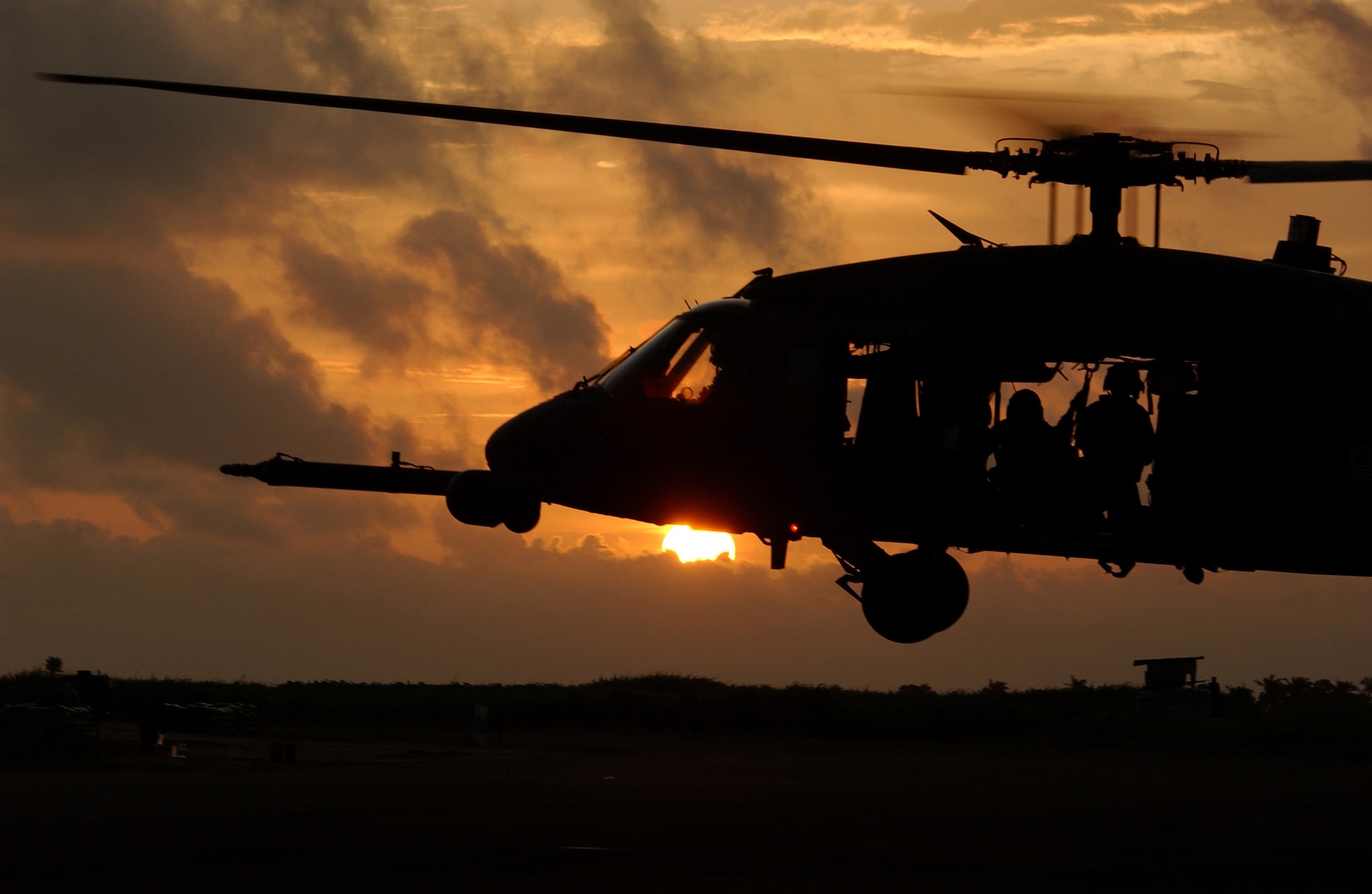
According to circulating reports, U.S. forces launched a high-risk rescue operation in Iran’s Isfahan region to recover a pilot from a downed aircraft. The mission allegedly involved two Sikorsky UH-60 Black Hawk helicopters and a Lockheed C-130 Hercules transport plane—assets typically associated with special operations and personnel recovery missions.

Such missions are not unprecedented. The U.S. military has long maintained a doctrine of retrieving downed pilots, even in hostile territory, often under extreme conditions. These operations are designed to be swift, precise, and heavily coordinated.

But almost immediately, inconsistencies begin to emerge.

The Geographic Problem

One of the most glaring issues lies in the reported locations.

The F-15 is said to have been shot down in Iran’s Khuzestan region, near the Kuwaiti border. Meanwhile, the alleged rescue operation took place in Isfahan—roughly 1,000 kilometers away.

That distance is not trivial. In military terms, it represents a completely different operational theater. Conducting a rescue mission so far from the crash site raises a fundamental question:

Why would U.S. forces deploy deep into central Iran for a pilot reportedly downed near the country’s southwestern edge?

Claims of Total Loss

Adding to the confusion are reports that all aircraft involved in the supposed rescue mission—the two Black Hawks and the C-130—were destroyed.

If true, this would represent a catastrophic operational failure, far beyond a standard extraction attempt. Losing multiple aircraft in hostile territory would likely trigger significant international attention and official acknowledgment.

Yet, as of now, there has been no confirmed, verifiable statement from the Pentagon addressing such losses.

Alternative Theory — A Covert Retrieval Operation

The inconsistencies have fueled an alternative and far more explosive theory: that the mission was never about rescuing a pilot at all.

Instead, some claim the real objective may have been to recover sensitive material—specifically, a reported 400 kilograms of enriched uranium allegedly located in or near Isfahan.

Isfahan is known to host key components of Iran’s nuclear infrastructure, making it a strategically significant location. Any attempt to extract nuclear material from such a site would represent a major escalation, carrying enormous geopolitical consequences.

However, there is currently no independently verified evidence supporting this claim.

Fog of War — And Information Warfare

Situations like this highlight the growing role of information warfare alongside conventional military operations. Competing narratives—ranging from dramatic rescue missions to covert nuclear retrievals—can spread rapidly, especially in the absence of confirmed facts.

What is clear is that the story, as presented, contains major gaps:

  • A reported crash site and rescue location separated by vast distance

  • Allegations of multiple aircraft losses without official confirmation

  • Claims of a highly sensitive nuclear objective without supporting evidence

Each of these elements alone would demand scrutiny. Combined, they create a narrative that is difficult to reconcile without additional verified information.

What Comes Next

Until credible confirmation emerges from official or independently verified sources, the claims surrounding this alleged operation should be treated with caution.

If any portion of the story proves accurate—whether a downed aircraft, a failed rescue, or a deeper covert objective—the implications would be significant, potentially escalating tensions across an already volatile region.

For now, the situation remains a case study in how modern conflicts are fought not only on the battlefield, but in the information space—where uncertainty can be as powerful as any weapon.


Monday, April 6, 2026

Pope Leo XIV: Marriage Is Between A Man and Woman And Only 2 Genders


Pope Leo XIV Stands Firm: The Catholic Church Will Not Bend to Culture, But Remains Obedient to God

In a time of mounting cultural pressure and ideological division, Pope Leo XIV has delivered a message that leaves no room for ambiguity: the teachings of the Catholic Church are not negotiable, not adjustable, and not subject to the will of the world. They are subject only to the will of God.

From the Vatican, the Pope reaffirmed that Catholic doctrine regarding marriage, sexuality, and human identity will not change—because it cannot change. Truth is not rewritten by popular demand. Sin does not become righteousness through repetition or political force.

Doctrine Is Not Democracy — It Is Divine

Pope Leo XIV made it clear: the Church does not vote on truth. It receives truth.

Catholic teaching is rooted in Divine Revelation, Sacred Scripture, and Sacred Tradition. It is not shaped by polls, activism, or modern movements. As the Church has always taught, marriage is a sacrament established by God Himself—between one man and one woman, open to life and ordered toward unity.

This teaching is not merely tradition. It is biblical.

From the Bible:

“Male and female He created them.” (Genesis 1:27)

“A man shall leave his father and mother and be joined to his wife, and the two shall become one flesh.” (Genesis 2:24)

And in the New Testament:

“Do not be deceived: neither the immoral… nor men who practice homosexuality… will inherit the kingdom of God.” (1 Corinthians 6:9–10)

These are not cultural artifacts. They are eternal truths. And the Church does not have the authority to override what God has revealed.

The Church Cannot Bless What God Calls Sin

At the heart of Pope Leo XIV’s statement is a principle that defines authentic Christianity: the Church cannot bless sin under the guise of compassion.

To do so would not be loving—it would be deceptive.

The Church teaches that every person is made in the image and likeness of God and possesses inherent dignity. That dignity demands respect, compassion, and care. But dignity does not erase moral truth.

Sin, regardless of how it is labeled or defended, remains sin.

The Church’s role is not to affirm every desire, but to guide souls toward salvation—even when that truth is difficult to hear.

Love Means Truth, Not Approval

Pope Leo XIV reinforced a critical distinction: the Church welcomes all people, but it does not affirm all actions.

This reflects the example of Christ Himself—who showed mercy to sinners, yet always called them to repentance:

“Go, and sin no more.” (John 8:11)

True love does not lie. True love does not lead people deeper into spiritual harm. True love calls people out of sin and into truth.

Anything less is not compassion—it is abandonment.

A Church That Refuses to Surrender

Across the United States and much of the Western world, pressure is intensifying for religious institutions to conform to modern ideologies surrounding sexuality and gender. Many demand that the Church “evolve.”

But Pope Leo XIV’s message is resolute: the Church does not evolve away from truth—it guards it.

To abandon doctrine would not be progress. It would be betrayal.

The Catholic Church has endured empires, revolutions, and centuries of opposition—not by conforming to the world, but by remaining faithful to God. That same resolve is now being tested again.

And once again, the answer is no.

Fidelity Over Popularity

While critics argue that this stance risks alienating people, the Church measures success differently. Its mission is not to win approval—it is to save souls.

Popularity fades. Truth does not.

Pope Leo XIV has made it clear that the Church will not exchange eternal truth for temporary acceptance. It will not redefine sin to satisfy culture. It will not compromise God’s design to avoid criticism.

The Line Has Been Drawn

The message from Rome is unmistakable: the Catholic Church stands where it has always stood.

Marriage remains what God defined it to be. Human identity remains rooted in creation, not self-declaration. Sin remains sin—even when the world celebrates it.

And no amount of pressure, outrage, or activism will change what God has already spoken.

Under Pope Leo XIV, the Church is not retreating. It is standing—firm, unwavering, and obedient to the truth that does not change.

The Biggest Lie in American Politics: The Myth of a “Judeo-Christian Nation"


For years, one of the most repeated talking points in American political discourse has been the claim that the United States was founded on “Judeo-Christian principles.” It is a phrase used to draw lines, define who belongs, and suggest that American identity is inseparable from a specific religious tradition.

But historically and constitutionally, that claim does not hold up.

The truth is far more clear — and far more important.

America was founded as a secular nation.

The Constitution Says What It Says

The most important founding document in the United States is not a religious text. It is the Constitution. And that document is deliberately silent on establishing any national religion.

Even more telling is what it explicitly says.

The First Amendment prohibits Congress from making any law respecting an establishment of religion or prohibiting the free exercise thereof. That is a direct rejection of state-sponsored religion — the very systems many early Americans fled in Europe.

This was not accidental. It was intentional.

America is not a “Christian country” in the legal or constitutional sense. It is a secular nation where people are free to believe, or not believe, as they choose. That is not a left-wing position. That is the foundation of the United States.

The Founders Were Clear About Separation

Key architects of the nation made their views unmistakable.

Thomas Jefferson described the First Amendment as creating a wall of separation between church and state.

James Madison warned that religion and government are both corrupted when they are intertwined.

Our Founding Fathers — many of whom were young, sharp thinkers — intentionally designed a system where no single religion could dominate government. They understood that mixing government power with religious authority leads to oppression, not freedom.

Religion Was Protected — Not Installed

None of this means religion was unwelcome. Quite the opposite.

The United States was built to allow all religions to flourish — Christianity, Judaism, Islam, and others — alongside the right to practice no religion at all.

That is the key distinction.

America protects religion. It does not belong to one.

The phrase “Judeo-Christian principles” is a modern political construct, not a constitutional foundation. It attempts to retrofit a religious identity onto a system that was deliberately designed to avoid exactly that.

Natural Rights, Moral Order, and Privacy

At the same time, the American system was grounded in the idea of natural rights — that certain truths and protections exist not because government grants them, but because they are inherent.

The founders often referred to the “laws of nature” as a guiding principle for human dignity, rights, and social order.

Within that framework, privacy and personal dignity are core values. A functioning society recognizes differences between people while still guaranteeing equal protection under the law.

That includes the expectation that individuals have a right to privacy in sensitive spaces such as bathrooms, locker rooms, dressing rooms, and athletic competition. Women should be entitled to privacy and safety in these environments, just as men are entitled to the same protections. These are not religious impositions — they are rooted in broader concepts of dignity, safety, and mutual respect that exist alongside constitutional freedoms.

Why the Myth Persists

So why does the idea continue to spread?

Because it is effective rhetoric.

Labeling America as a “Judeo-Christian nation” can be used to exclude, to elevate one belief system over others, and to blur the line between personal faith and public law.

But repeating something often does not make it true.

The actual framework of the United States is built on natural rights, individual liberty, and the idea that government derives its authority from the people — not from any religious institution.

The Real American Principle

The real principle at the heart of America is simple:

You are free to believe what you want — and so is everyone else.

That means defending the rights of people you may not agree with. It means protecting participation in public life regardless of faith. It means ensuring that no one uses government power to impose their beliefs on others.

You do not have to agree with someone’s religion to defend their right to exist and participate equally. That is what separates a free country from the kind of system where religion and government are fused.

The Bottom Line

The claim that America was founded as a “Judeo-Christian nation” is not supported by the Constitution or by the intent of its founders.

America was built as a secular republic — one that protects religion by refusing to enforce it.

And in a world shaped by religious conflict and coercion, that design is not just significant.

It is essential.

Trump Admits He's Fine Violating International Law And The Geneva Conventions


Targeting Iran’s Civilian Infrastructure: A Legal Red Line Under International Law

Recent statements attributed to Donald Trump have ignited serious legal and moral concerns, after he reportedly threatened the wholesale destruction of Iran’s bridges and power plants if conditions are not met in the ongoing conflict.

At first glance, such rhetoric may sound like strategic military pressure. But under established international law, a campaign deliberately aimed at dismantling an entire nation’s civilian infrastructure crosses into deeply prohibited territory — and potentially into the realm of war crimes.


The Geneva Conventions and the Rules of War

The legal framework governing armed conflict is anchored in the Geneva Conventions, which impose strict limits on what can and cannot be targeted during war.

Central to these rules are three core principles:

  • Distinction: Parties must distinguish between military targets and civilian objects

  • Proportionality: Civilian harm must not be excessive relative to military advantage

  • Necessity: Attacks must be justified by a concrete military objective

A declared intention to destroy every bridge and every power plant in a country does not reflect targeted military action. It reflects blanket destruction — the very type of conduct these laws were designed to prevent.


Failure to Distinguish: Civilian vs Military Targets

Bridges and power plants are, in most cases, civilian infrastructure.

While some bridges may occasionally be used for troop movements, and certain power facilities may support military operations, international law does not permit treating all such infrastructure as legitimate targets by default.

The principle of distinction requires case-by-case targeting, not sweeping destruction.

A strategy that eliminates all bridges and power plants inherently fails this test. It does not distinguish — it erases.


The Human Impact: Civilian Systems Collapse

The consequences of disabling an entire national power grid are catastrophic:

  • Hospitals lose electricity, putting patients on life support at immediate risk

  • Water treatment systems shut down, leading to unsafe drinking water

  • Food supply chains break down due to lack of refrigeration and transport

  • Emergency services collapse

Cutting power nationwide is not just a tactical move — it is an action that can endanger tens of millions of civilians, far removed from any battlefield.

Under international law, objects indispensable to civilian survival — including electricity and water systems — are specifically protected.


Collective Punishment Is Prohibited

The Fourth Geneva Convention explicitly prohibits collective punishment.

This means civilians cannot be targeted, harmed, or deprived of essential resources as a way to pressure a government or military.

Destroying all bridges and power plants in a country would not impact only military forces — it would impact the entire civilian population indiscriminately.

That is the definition of collective punishment.


Proportionality and Excessive Harm

Even if certain infrastructure has dual-use military value, the principle of proportionality still applies.

The anticipated civilian harm from:

  • Nationwide blackouts

  • Collapse of healthcare systems

  • Mass disruption of water and food access

would almost certainly be considered excessive relative to any specific military advantage.

A four-hour campaign to eliminate a country’s infrastructure, as described in the reported statements, would likely fail this legal test.


Legal Exposure: From Policy to War Crimes

If such actions were carried out as described, legal experts would likely scrutinize them under international criminal law frameworks.

Indiscriminate attacks on civilian infrastructure, combined with foreseeable mass civilian harm, can rise to the level of war crimes.

Intent matters — and publicly articulating a plan to destroy an entire category of civilian infrastructure could be used as evidence of that intent.

Final Point 

War is governed by rules precisely because of the devastation it can unleash. The deliberate targeting of an entire nation’s bridges and power plants — without distinction, proportionality, or restraint — would represent a profound breach of those rules.

If implemented, such a strategy would not simply be controversial. It would stand in direct conflict with the legal protections established to safeguard civilian life during armed conflict — and could place those responsible under serious international legal jeopardy.

Republican Rift Explodes: Marjorie Taylor Greene Accuses Trump Administration of ‘Madness’ and Moral Betrayal


A stunning and deeply personal rebuke from Marjorie Taylor Greene has sent shockwaves through Republican circles, exposing a growing fracture within the party over war, faith, and loyalty to Donald Trump.

In a sharply worded statement, Greene did not just criticize policy. She questioned the moral and spiritual legitimacy of the president and those serving under him.

“Everyone in his administration that claims to be a Christian needs to fall on their knees and beg forgiveness from God,” she said, accusing officials of “worshipping the President” instead of standing for faith-based principles.

A Direct Attack on Trump’s Leadership

Greene’s remarks went further than typical political disagreement. She openly declared that Trump “has gone insane,” and accused members of his administration of being “complicit” in what she described as dangerous and escalating decisions.

Perhaps most striking was her assertion that the president “is not a Christian,” a claim that cuts directly into a core part of Trump’s political base—evangelical voters who have long been among his strongest supporters.

This is not routine infighting. This is a direct ideological rupture.

Faith, War, and Political Identity Collide

At the heart of Greene’s criticism is the administration’s approach to ongoing military tensions. She framed the issue not just as a policy failure, but as a moral crisis.

According to Greene, Christians within the administration should be “pursuing peace” and actively urging de-escalation—not supporting what she characterized as a path toward greater conflict and human suffering.

Her language was deliberate and unambiguous. She called the current direction “evil.”

That framing transforms the debate from strategy to morality, placing political decisions under a religious lens that resonates deeply with a significant portion of the Republican electorate.

A Fracture Inside the MAGA Movement

Greene has long been considered one of Trump’s most loyal and vocal allies. Her willingness to break ranks so publicly signals something larger than a momentary disagreement.

It raises a critical question: is this the beginning of a broader divide within the MAGA movement?

Her claim that “this is not what we promised the American people” suggests a perceived betrayal of the platform that carried Trump back to power in 2024. By emphasizing that she “was there more than most,” Greene is positioning herself not as an outsider, but as an insider sounding the alarm.

Political Fallout Ahead

The implications of Greene’s statement could be significant. Public dissent from within Trump’s inner political orbit is rare—and when it happens, it often signals deeper instability behind the scenes.

If others within the party echo her concerns, it could fracture unity at a time when cohesion is critical. If they don’t, Greene risks isolation for challenging the very movement she helped amplify.

Either way, the moment cannot be dismissed.

This was not just criticism. It was an indictment—from one of Trump’s own.

THE ISFAHAN MYSTERY: WAS A SECRET U.S. RAID IN IRAN COVERED UP AS A RESCUE MISSION?


A dramatic and confusing series of military events inside Iran over the past several days is raising serious questions about what the United States was really doing near Isfahan — and whether the official explanation tells only part of the story.

At first glance, the narrative seemed straightforward: a U.S. fighter jet goes down, a pilot is rescued, and a second crew member is eventually recovered after a tense search. But as more details emerge, that version of events begins to unravel.

According to the timeline reconstructed from open-source reporting and eyewitness accounts, the crisis began on April 2 when Iranian forces reportedly shot down a U.S. aircraft near Isfahan — not over the Persian Gulf as initially suggested. Wreckage identified as an F-15E was later located south of the city.

What followed was anything but routine.

The next day saw a surge of U.S. military activity deep inside Iranian territory. Combat search and rescue helicopters, refueling aircraft, and close air support platforms were spotted operating across multiple provinces. An aerial battle reportedly broke out, with at least one A-10 damaged and rescue helicopters taking fire.

While officials maintained that the mission was focused on recovering downed personnel, the scale and composition of the force raised immediate red flags among analysts.

A Simple Rescue — Or Something Much Bigger?

The deployment of heavy transport aircraft, including multiple C-130s, along with special operations helicopters and what appears to have been a sizable ground force, does not align with a standard personnel recovery mission. Recovering isolated aircrew typically involves small, fast-moving units operating under cover of darkness — not a large, highly visible insertion of forces deep inside hostile territory.

Then came the most explosive development.

By April 5, images surfaced showing burned-out transport aircraft and destroyed helicopters at what appeared to be a forward operating site near Isfahan. Reports indicated that U.S. forces had abandoned equipment and scuttled aircraft during a rapid withdrawal.

The scene drew immediate comparisons to past failed U.S. operations, most notably the Iran hostage rescue attempt of 1980 — a mission that ended in disaster and became a symbol of military overreach and poor planning.

The Real Objective?

A growing theory suggests that the rescue narrative may have been used as cover for a far more ambitious — and far more dangerous — operation.

According to this analysis, U.S. forces may have been attempting to target or seize Iranian stockpiles of enriched uranium stored in underground facilities near Isfahan. The presence of a large special operations force, combined with transport aircraft capable of moving sensitive materials, supports the possibility of a direct-action raid rather than a simple extraction mission.

If true, the implications are enormous.

Such an operation would represent a significant escalation — not just a tactical maneuver, but a strategic attempt to interfere directly with Iran’s nuclear capabilities. It would also explain why U.S. aircraft were operating so deep inside Iranian airspace in the first place.

A Mission That Should Have Been Scrapped?

Perhaps the most troubling aspect of the situation is what happened after the initial aircraft was shot down.

In most military planning scenarios, the loss of a strike aircraft — especially in contested airspace — would trigger a reassessment or cancellation of any follow-on operations. Instead, the mission appears to have moved forward anyway.

That decision may have proved catastrophic.

Reports suggest that Iranian surveillance assets, including drones, quickly detected the incoming U.S. force. The size of the deployment made concealment nearly impossible. As Iranian forces converged, the operation was reportedly aborted, forcing a chaotic withdrawal that left behind destroyed aircraft and abandoned equipment.

The Official Story vs. Reality

The Pentagon has framed the events as a successful rescue operation under difficult conditions. And to be clear, the recovery of both aircrew members — if confirmed — would indeed represent a significant achievement.

But the scale of the deployment, the losses in equipment, and the unusual sequence of events suggest that something far more complex — and potentially far more troubling — took place.

The question now is not whether a rescue mission occurred.

The question is whether that rescue was only a small piece of a much larger operation that failed — and whether the full truth is being deliberately obscured.

As more information emerges, one thing is certain:

What happened near Isfahan was not routine.

And the real story may still be unfolding.

France Enters The Fray To Support Lebanon From Israel


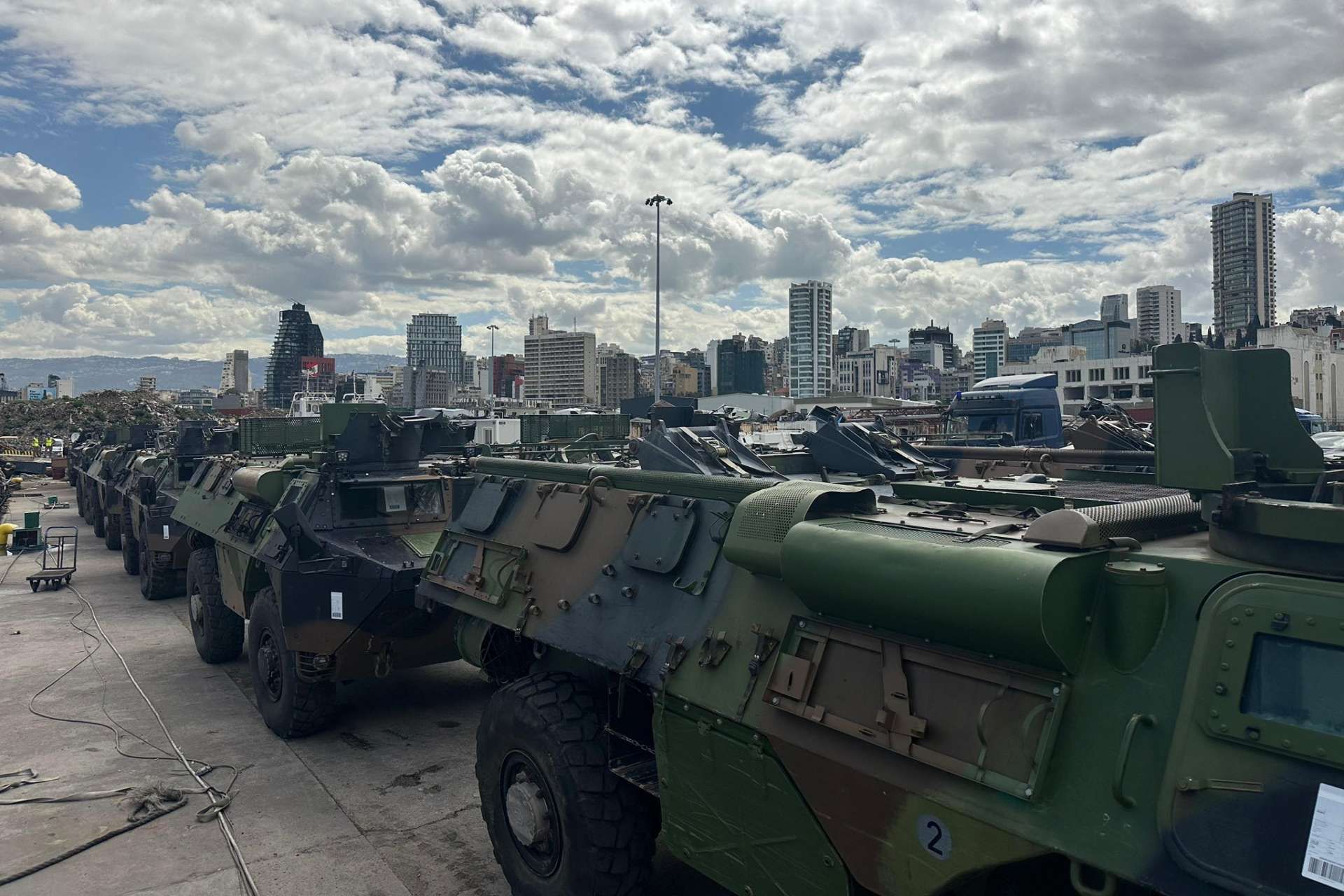
BEIRUT — In a move aimed at stabilizing a nation under pressure, Emmanuel Macron’s government has delivered 39 armored personnel carriers to the Lebanese Armed Forces, reinforcing France’s long-standing commitment to Lebanon’s sovereignty and civilian protection.

The delivery, announced by France’s Defense Ministry and overseen by Deputy Defense Minister Alice Rufo, is being framed not as an act of aggression, but as a necessary step to strengthen a fragile state caught in the crossfire of a widening regional war.

At the port of Beirut, Rufo emphasized the purpose behind the transfer: protecting civilians, preserving state institutions, and defending Lebanon’s territorial integrity — values increasingly under threat as violence escalates along its southern border.


FRANCE REASSERTS A STABILIZING ROLE

Image


The armored vehicles, known as VABs, are designed for troop transport in high-risk environments. Built with reinforced steel and capable of carrying fully equipped soldiers, they provide the Lebanese army with critical mobility and protection in areas facing repeated airstrikes and ground incursions.

France’s support signals more than a military transaction. It reflects a broader geopolitical stance: that Lebanon must not be allowed to collapse under external pressure or be reduced to a battlefield for larger powers.

For decades, Paris has maintained historical, political, and cultural ties with Beirut. This latest move reinforces France’s position as one of the few Western powers actively working to bolster Lebanese state authority rather than undermine it.


ISRAEL’S MILITARY CAMPAIGN FUELS INSTABILITY

At the heart of the crisis is Israel’s ongoing military campaign in southern Lebanon, launched following cross-border tensions involving Hezbollah. Since early March, Israeli airstrikes and ground operations have intensified, leaving widespread destruction and civilian casualties in their wake.

Rather than containing the situation, the escalation has deepened instability — stretching Lebanon’s already fragile infrastructure and pushing the region closer to a broader conflict.

Critics argue that Israel’s actions go far beyond defensive measures, instead contributing to a cycle of violence that endangers civilians and erodes any remaining prospects for regional de-escalation.


LEBANON CAUGHT IN A REGIONAL FIRESTORM

Lebanon now finds itself trapped between multiple fronts. The conflict expanded dramatically after a joint U.S.-Israeli offensive against Iran triggered retaliatory strikes across the region, including attacks targeting Israel and U.S. military positions.

This widening war has turned Lebanon into a pressure point — a nation struggling to maintain sovereignty while absorbing the fallout of decisions made far beyond its borders.

In this context, France’s support is being viewed by many as a lifeline — a means of empowering Lebanon’s national army to assert control, protect civilians, and resist being pulled deeper into a devastating regional war.


A TEST OF INTERNATIONAL PRIORITIES

France’s delivery of armored vehicles underscores a growing divide in international approaches to the crisis. While some actors escalate military operations, others are attempting to reinforce state institutions and prevent total collapse.

The question now is whether efforts like France’s will be enough.

For Lebanon, the stakes could not be higher. Without meaningful international support aimed at stability — not escalation — the country risks becoming yet another casualty of a conflict that continues to spiral outward.

As the region watches closely, one reality is becoming clear: the path to security will not be paved by airstrikes and offensives, but by strengthening nations under siege and prioritizing the protection of civilian life.

Sunday, April 5, 2026

COVERED OR CONFUSED? CLAIMS SWIRL AROUND ALLEGED FAILED U.S. OPERATION IN ISFAHAN


April 6, 2026 — A wave of viral posts circulating online is alleging that the Pentagon is concealing the true nature of a purported U.S. military operation near the Iranian city of Isfahan, framing it not as a limited mission but as a failed large-scale landing attempt.

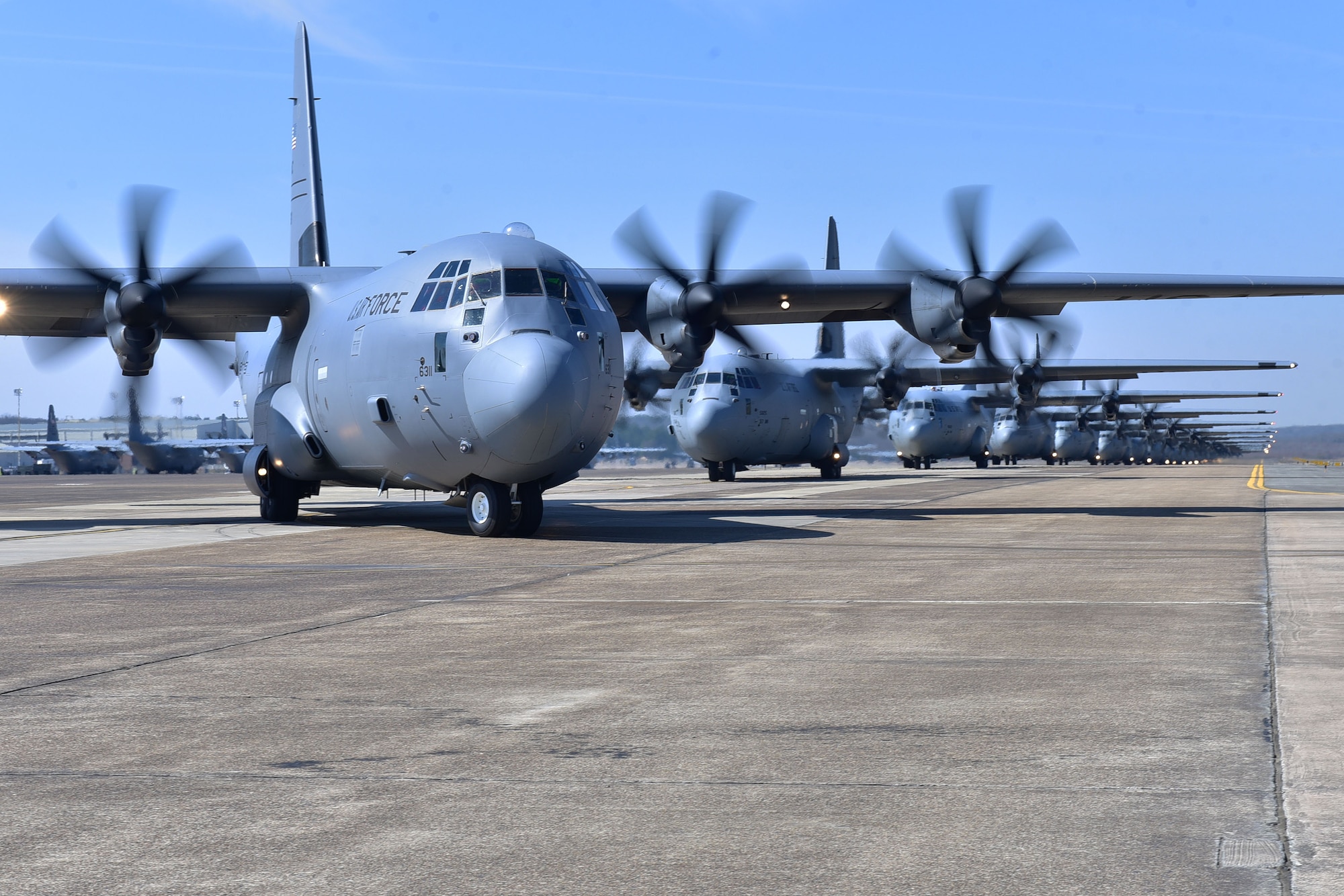
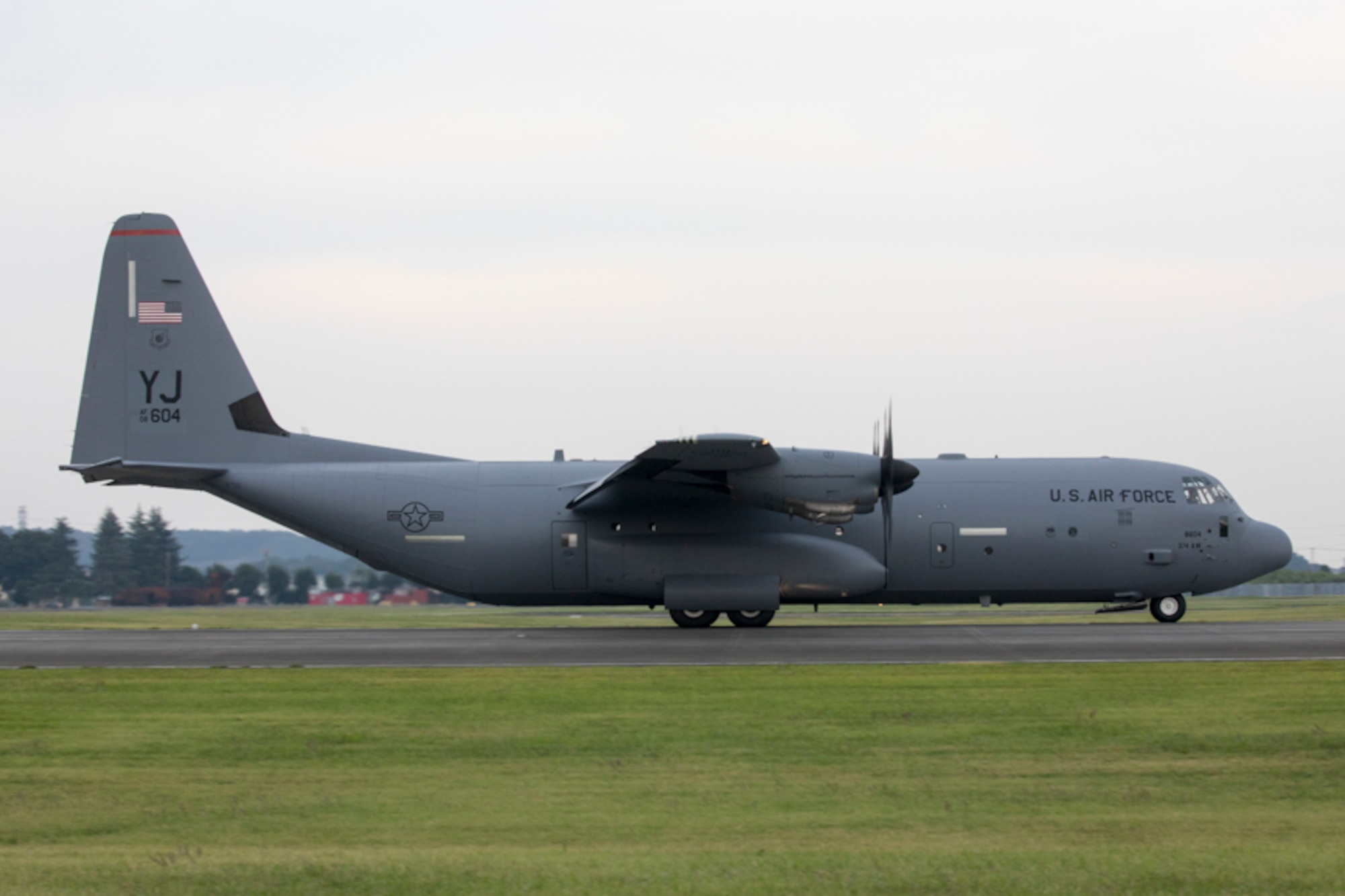
The claims center on the use of the Lockheed C-130 Hercules, a widely known military transport aircraft typically used to move troops, equipment, and supplies into austere or contested environments. According to the narrative gaining traction on social media, the aircraft’s reported presence near Isfahan signals something far more significant than a rescue mission.

The Claim

Posts allege that what has been publicly described as a pilot recovery or limited operation was, in reality, the opening phase of a broader U.S. ground incursion. The theory suggests that the operation aimed to secure a remote airstrip to establish an entry point for additional القوات and equipment, effectively laying the groundwork for a larger military deployment.

According to this version of events, the mission failed during its initial phase. Proponents of the claim argue that the Pentagon then reframed the incident as a rescue operation in order to deflect from what they characterize as a strategic setback.

A key talking point in these posts is skepticism over the use of a large transport aircraft for a single-pilot recovery, suggesting that such an explanation does not align with standard military practice.

What We Actually Know

As of now, there has been no official confirmation from the Pentagon of a large-scale failed landing operation in Isfahan. Publicly available information remains limited, and no verified evidence has emerged to substantiate claims of a broader ground invasion attempt tied to the reported activity.

Military experts note that the C-130 Hercules is frequently used in a wide range of missions beyond troop deployment, including medical evacuation, special operations support, and personnel recovery in contested environments. In certain scenarios, deploying a larger aircraft can be justified by the need for speed, protection, or the ability to extract multiple افراد or equipment simultaneously.

Fog of War and Information Gaps

Situations involving active or recent military operations are often marked by incomplete information, delayed disclosures, and competing narratives. Governments may limit public details for operational security reasons, while early reports—especially on social media—can mix verified facts with speculation.

The current claims highlight how quickly narratives can form in the absence of clear, confirmed information. While questions about the scope and intent of any military activity are not uncommon, distinguishing between verified reporting and unsubstantiated assertions remains critical.

Bottom Line

At this stage, the allegation that the Pentagon disguised a failed large-scale landing operation as a rescue mission remains unverified. The presence of a C-130 aircraft alone does not confirm the scale or objective of an operation, and no independent confirmation has supported the broader claims circulating online.

As more details emerge, clarity may follow. Until then, the situation underscores the importance of approaching rapidly spreading “breaking news” claims with caution, especially when they involve high-stakes military activity and limited official disclosure.

THE INVISIBLE WAR: HOW AMERICA’S AIR DOMINANCE IS BEING CHALLENGED


For decades, American air superiority has been treated as a given — an untouchable pillar of U.S. military power. From Desert Storm to modern precision campaigns, the assumption has remained the same: if the United States controls the skies, it controls the outcome.

But that assumption is now facing one of its most serious tests in modern warfare.

Behind carefully crafted headlines and triumphant briefings, a quieter and more unsettling reality is taking shape — one where U.S. air dominance is no longer absolute, and where adversaries are finding ways to exploit gaps that were once considered negligible.


⚠️ THE TECHNOLOGY GAP NO ONE WANTS TO TALK ABOUT

For years, the backbone of U.S. aerial defense has been electronic warfare dominance. Radar detection systems, warning receivers, and countermeasures formed a layered shield:

Enemy radar activates
Pilot receives warning
Countermeasures deploy
Threat neutralized

It is a system built on detection and response.

But that system depends on one critical assumption — that the threat emits a signal.

Infrared tracking shatters that assumption.

Passive infrared systems do not broadcast. They do not ping. They do not alert.

Instead, they watch.

They track heat signatures — specifically, the intense thermal output of jet engines — without ever announcing their presence. To a pilot, the sky appears clear. To the adversary, the aircraft is already locked.

No warning.
No signal.
No margin for error.


🔥 HEAT DOES NOT LIE — AND IT CANNOT BE HIDDEN

Every advanced fighter jet, no matter how sophisticated, generates extreme heat. That heat is unavoidable. It is the byproduct of speed, thrust, and power.

And it is now a vulnerability.

Electro-optical and infrared tracking systems are increasingly capable of:

  • Detecting aircraft at long distances using thermal contrast

  • Maintaining lock without relying on radar emissions

  • Operating in contested environments where electronic warfare dominates

Unlike radar-guided threats, these systems bypass the very defenses U.S. aircraft were designed to defeat.

Jamming becomes irrelevant.
Stealth is reduced.
Reaction time shrinks dramatically.

You can disrupt a signal.
You cannot eliminate heat.


💥 THE REALITY BEHIND THE HEADLINES

Official narratives continue to emphasize successful missions, precision strikes, and high-profile rescues. And those successes are real.

But they are not the full story.

What is less visible — and far more consequential — are the emerging patterns:

  • Engagements occurring without traditional warning indicators

  • Increasing operational complexity in contested airspace

  • Growing pressure on pilots and support systems to react instantly

When aircraft are engaged without prior detection, the margin for survival narrows to seconds.

That is not simply the chaos of war.

It is a shift in how war is fought.


🧨 STRATEGY OR SPIN?

Public messaging tends to highlight outcomes — targets hit, missions completed, objectives achieved.

But outcomes alone do not define strategic success.

What often goes unaddressed are the underlying costs:

  • The strain on aircraft and crews

  • The evolving capabilities of adversaries

  • The long-term sustainability of maintaining air dominance under new conditions

Air superiority is not just about winning engagements. It is about maintaining control consistently, predictably, and at scale.

And that control becomes far more fragile when the rules of detection are rewritten.


⚖️ THE BIGGER QUESTION

The implications are profound.

If aircraft can be tracked without emitting signals…
If engagements begin before pilots are even aware of a threat…
If traditional countermeasures are less effective against emerging systems…

Then the foundation of modern air combat is shifting.

The question is no longer whether the United States remains powerful in the air.

The question is whether it is adapting fast enough to a battlefield where visibility itself is disappearing.


🧠 FINAL THOUGHT

This is not about panic.
It is not about defeat.

It is about recognition.

Warfare evolves. It always has. And the most dangerous moment in any transition is when legacy assumptions linger longer than they should.

When threats become invisible…
When detection becomes silent…
When response time disappears…

Superiority is no longer guaranteed.

And in war, the difference between adapting early and adapting late is not measured in headlines.

It is measured in consequences.

IRAN’S HORMUZ GAMBIT: ENERGY ACCESS OR A DIRECT CHALLENGE TO THE GLOBAL FINANCIAL ORDER?


WASHINGTON — A new diplomatic signal from Iran is drawing intense global scrutiny after reports that Tehran has offered the European Union transit access through the strategically critical Strait of Hormuz — a move that could carry consequences far beyond energy logistics.

On its face, the proposal appears to be a pragmatic attempt to stabilize oil flows amid escalating tensions in the region. But analysts say the implications could ripple through global markets, monetary systems, and geopolitical alliances.

At the center of the issue is the Strait of Hormuz, one of the most vital energy corridors in the world. Roughly one-fifth of global oil consumption passes through this narrow passage, making any disruption — or preferential access — a matter of international urgency.

Energy Pressure Meets Strategic Opportunity

Europe has been grappling with rising energy costs in recent weeks, driven by instability in Middle Eastern supply routes and broader geopolitical friction. Oil and natural gas prices have surged, placing additional strain on economies already navigating inflationary pressures.

Iran’s offer, in that context, could be seen as a strategic opening — providing Europe with more predictable access to energy flows at a time of volatility.

But beneath the surface lies a deeper question: on whose terms?

A Potential Shift Away from the Dollar

The most consequential aspect of the proposal may not be about access at all — but about currency.

For decades, the global oil trade has been largely conducted in U.S. dollars, a system commonly referred to as the Petrodollar system. This arrangement has reinforced the dollar’s dominance in international finance and ensured sustained global demand for U.S. currency.

However, if Europe were to engage in energy transactions with Iran using euros or alternative currencies, it could mark a subtle but meaningful departure from that framework.

Even a limited number of non-dollar oil deals would signal that the system — long considered foundational — is not immutable.

Broader Implications for Global Finance

A shift toward multi-currency energy trading could accelerate trends already underway in the global economy:

  • Countries diversifying away from dollar reserves

  • Regional trade blocs gaining influence

  • Increased use of alternative currencies in cross-border transactions

Groups like BRICS have already explored mechanisms to reduce reliance on the dollar in trade. A European move in that direction — even indirectly — would carry far greater systemic weight.

Economists warn that while such changes would not happen overnight, they could gradually reshape the balance of financial power over time.

Europe’s Calculus

For European policymakers, the decision is not purely economic. Accepting Iranian terms could provide short-term energy relief, but it would also require navigating complex political terrain — including relations with the United States and compliance with existing sanctions frameworks.

Officials at the European Central Bank have already cautioned that the economic consequences of current geopolitical tensions may persist long after immediate conflicts subside.

That warning underscores the broader reality: energy decisions made today could lock in financial and strategic alignments for years to come.

A Defining Moment?

What is unfolding is not simply a regional negotiation over shipping lanes. It is a convergence of energy security, currency dominance, and geopolitical influence.

If Iran’s proposal gains traction, it could represent more than a diplomatic maneuver — it could mark the early stages of a transition toward a more fragmented, multi-polar financial system.

For now, the world is watching closely.

Because this moment is not just about النفط routes or temporary relief.

It is about who writes the rules of the global economy — and whether those rules are beginning to change.

Easter Fury: Trump’s Profane War Threat Raises Questions About Faith, Leadership, and Escalation


WASHINGTON — A storm of controversy erupted after Donald J. Trump posted one of the most aggressive and inflammatory messages of the ongoing Iran conflict — not on a battlefield briefing, but on Easter Sunday, the holiest day in Christianity.

In a Truth Social post that quickly spread across social media and political circles, Trump issued a profanity-laced warning directed at Iran, writing that “Tuesday will be Power Plant Day, and Bridge Day” and threatening devastating strikes on infrastructure. The message escalated further with the line: “Open the F***in’ Strait, you crazy bastards, or you’ll be living in Hell — JUST WATCH! Praise be to Allah.”

The language alone drew immediate backlash. But it was the timing — Easter morning, commemorating the resurrection of Jesus Christ — that amplified outrage among religious observers, clergy, and political critics alike.

A Threat With Specific Targets

Unlike prior rhetoric, this message appeared to outline a concrete military intention. Trump referenced coordinated attacks on power plants and bridges in Iran, signaling a potential escalation toward targeting civilian infrastructure.

Observers noted that this was not an isolated statement, but part of a pattern. Over recent weeks, Trump has issued multiple deadlines tied to threats against Iranian infrastructure:

  • March 21: Initial 48-hour ultimatum targeting power systems

  • March 23: Extended timeline by five days

  • March 26: Pushed deadline to April 6

  • Now: A new, more aggressive timeline pointing to Tuesday

Each delay had raised questions about credibility and strategy. However, analysts say the tone of the Easter message marked a shift — from bluster to something more explicit and volatile.

Religious Backlash: Easter and “Praise Be to Allah”

The most jarring element for many was not just the threat itself, but the closing phrase: “Praise be to Allah.”

Delivered on Easter Sunday — a day centered on Christ’s resurrection, forgiveness, and peace — the use of an Islamic expression alongside a violent threat struck many as contradictory and provocative.

Christian leaders and commentators questioned how such rhetoric aligns with the teachings traditionally associated with the faith Trump has publicly claimed to represent.

For many, the issue was not theological nuance, but tone and consistency. Easter is widely regarded as a moment of humility, reflection, and reverence — not one associated with profanity, threats of destruction, or geopolitical brinkmanship.

Leadership Under Scrutiny

The post has intensified scrutiny of Trump’s leadership style during a volatile international conflict. Critics argue that issuing explicit threats against infrastructure — particularly in public and with shifting timelines — risks undermining both diplomatic credibility and military discipline.

Supporters, however, maintain that Trump’s language reflects strength and deterrence, arguing that unpredictability can pressure adversaries into compliance.

Still, even some allies have expressed concern about the optics of combining religious language, profanity, and war threats in a single presidential statement — particularly on a major religious holiday.

What Comes Next

Trump has announced a press conference with military officials scheduled for Monday, where he is expected to elaborate on strategy and intentions. Whether Tuesday’s threat materializes — or becomes another postponed deadline — remains uncertain.

What is clear is that the Easter message has altered the tone of the conversation. It has fused religion, war rhetoric, and political identity into a single moment that is now reverberating across both domestic and international audiences.

As tensions with Iran continue to rise, the question is no longer just about military action — but about the language, symbolism, and leadership guiding it.  Perhaps it's time to invoke the 25th Amendment. 

Fact or Fabrication? Loomer’s Arrest Claims Unravel Under Growing Scrutiny


Laura Loomer is she now Trump’s side chick?


WASHINGTON — A politically charged controversy erupted this week after far-right activist Laura Loomer publicly claimed she played a direct role in the arrest and pending deportation of two Iranian nationals, a claim now fiercely disputed by the family and contradicted by Iranian officials.

Loomer, posting on the social media platform X, said she had spent months compiling what she described as evidence of pro-Iranian government sentiment expressed online by Hamideh Soleimani Afshar and her daughter. According to her account, she submitted a detailed file of social media activity to federal authorities, including the Department of Homeland Security and officials tied to Secretary of State Marco Rubio.

In her posts, Loomer asserted that her actions directly led to the revocation of the women’s green cards and their subsequent detention by immigration authorities. She framed the episode as a national security success, claiming the individuals supported Iran’s Islamic Revolutionary Guard Corps.

However, the central premise underpinning the case — that the women are related to slain Iranian general Qassem Soleimani — is now being forcefully challenged.

Family members have denied any connection to Soleimani, calling the allegations false and politically motivated. Iranian officials and individuals identified as Soleimani’s actual relatives have also rejected the claim, describing it as fabricated.

The dispute has intensified scrutiny over the circumstances of the arrests and the role private individuals may be playing in influencing enforcement actions.

Critics argue the case reflects a broader pattern of aggressive immigration enforcement tied to escalating tensions between the United States and Iran. They point to the timing of the arrests — amid heightened military conflict — as raising questions about whether the detentions are being used as leverage in a geopolitical standoff.

Legal experts note that while immigration authorities have broad discretion, actions based primarily on disputed affiliations or protected speech could face constitutional challenges, particularly if due process protections are not fully observed.

Supporters of the administration, meanwhile, argue that national security concerns justify proactive measures, especially when potential links to foreign adversaries are alleged, even if those links remain contested.

The controversy also raises broader questions about influence and accountability. Loomer’s public claim that her independent research directly triggered federal action has fueled debate over whether unofficial actors are exerting outsized influence on government decision-making.

As the situation develops, the case is likely to test the boundaries between national security enforcement, individual rights, and the role of political activism in shaping federal policy during a time of international conflict.

Saturday, April 4, 2026

ZIONIST TWISTING OF CARDINAL SARAH'S WORDS


The outrage cycle has found a new target, and once again, the truth is being butchered to fit a political narrative.

Certain corners of the Christian evangelical Zionist movement are now weaponizing the words of Cardinal Robert Sarah — not to illuminate, but to inflame. What we are seeing is not theological clarity. It is ideological manipulation dressed up as moral concern.

Let’s be blunt: this is not about defending Christianity. It is about controlling a narrative.

Cardinal Sarah has never spoken in the crude, fear-driven absolutes that his words are now being twisted into. Yes, he has warned about extremism. Yes, he has spoken candidly about the dangers of radical ideologies. But stripping those warnings from their full context is intellectual dishonesty.

Because the same man these voices are quoting has also said — clearly, repeatedly, and without ambiguity — that Islam, when authentically practiced, can be a fraternal and peaceful religion. Speaking from his lived experience in Africa, he has described coexistence between Christians and Muslims not as a theory, but as a reality.

That part, of course, gets ignored.

Why? Because it doesn’t serve the agenda.

There is a growing industry of outrage that depends on fear to survive. And just like there are those who distort Christianity for power, and those who hijack Islam to justify extremism, there are now self-appointed defenders of the faith who twist words to manufacture enemies.

Let’s call it what it is: a counterfeit Christianity.

It is no different in spirit from the very extremism it claims to oppose. It cherry-picks. It exaggerates. It reduces entire groups of people to caricatures. And most dangerously, it replaces truth with narrative.

The irony is staggering.

Cardinal Sarah has consistently emphasized cooperation between Christians and Muslims on shared moral foundations — protecting life, defending the family, upholding human dignity. That message requires nuance, humility, and honesty. It requires acknowledging complexity.

But nuance does not go viral. Outrage does.

So instead, we get selective quotes. We get the harshest lines, ripped from their context, amplified, and repackaged as if they represent the entirety of his thought. It is not scholarship. It is propaganda.

And it is reckless.

Because when you distort a religious leader’s words to paint millions of peaceful people as enemies, you are not defending faith — you are degrading it.

The truth is far less convenient for those pushing fear. Cardinal Sarah’s position is not anti-Muslim. It is anti-extremism. There is a difference, and it matters.

If we are going to invoke his name, then we should have the integrity to represent his message in full. Not just the fragments that serve a political or ideological purpose.

Anything less is not just misleading.

It is a deliberate act of deception.

Pope Leo XIV Directly Chastises Donald Trump


VATICAN CITY — In a rare and increasingly consequential moral confrontation on the world stage, Pope Leo XIV has emerged as one of the most forceful global voices challenging the policies of Donald Trump, framing his criticism not as politics, but as a defense of human dignity and moral responsibility.

Since his election in May 2025, Pope Leo XIV has steadily shifted the Vatican from cautious diplomacy to clear moral leadership, speaking with unusual clarity on issues of war, migration, and the use of power. His stance has resonated far beyond the Catholic Church, positioning him as a leading ethical counterweight in a time of escalating global tension.

A Moral Stand Against War

At the center of Pope Leo’s message is a forceful call to end the ongoing conflict involving Iran. In April 2026, he directly urged President Trump to halt military operations, describing the war as “a scandal to the whole human family.”

Unlike typical diplomatic appeals, the Pope’s language reflects a deeper moral indictment — one rooted in the belief that modern warfare, particularly when it risks civilian harm, cannot be justified under any framework that claims to value human life.

Drawing from Catholic teaching and his own pastoral experience, Pope Leo has consistently emphasized that peace is not weakness, but a moral obligation. His call for an “off-ramp” is being viewed by many international observers as a necessary intervention at a moment when escalation risks spiraling beyond control.

Defending the Dignity of Migrants

Pope Leo has been equally direct in confronting U.S. immigration policies, condemning what he describes as the dehumanization of migrants.

He has called current enforcement practices “extremely disrespectful,” challenging political leaders to reconcile such actions with professed pro-life values. For the Pope, the issue is not abstract policy, but the lived reality of families, children, and workers seeking safety and opportunity.

His perspective is deeply informed by his years as a missionary in Peru, where he worked closely with marginalized communities. That experience now shapes a papacy grounded in advocacy for the poor, displaced, and overlooked — those he frequently refers to as “the human face behind every policy.”

Confronting Abuse of Power

Beyond specific disputes, Pope Leo XIV has articulated a broader critique of what he sees as a dangerous global trend: the normalization of power exercised without moral restraint.

He has warned against “imperialist occupation” and the “abuse of power,” framing these not as partisan critiques, but as universal ethical concerns. His message is consistent: leadership without accountability to human dignity ultimately undermines both justice and stability.

A Papacy Defined by Clarity

Observers note that Pope Leo’s approach represents a decisive shift in Vatican tone. Where previous eras often relied on quiet diplomacy, Leo has chosen clarity over caution.

That shift is not merely stylistic — it reflects a belief that silence in the face of suffering is itself a moral failure.

His willingness to speak directly, even at the risk of political backlash, has drawn praise from humanitarian groups, religious leaders, and segments of the international community seeking stronger moral leadership in global affairs.

A Global Moral Counterweight

While the Trump administration and its allies have dismissed the Pope’s comments as interference, Pope Leo XIV’s influence continues to grow as a voice that transcends national borders.

For many, he represents a reminder that power is not the ultimate authority — conscience is.

As geopolitical tensions intensify and debates over migration and war continue, Pope Leo’s message is clear and consistent: policies must be judged not only by their strategic outcomes, but by their humanity.

In that sense, his confrontation with political leadership is not simply a dispute — it is a defining test of moral accountability in the modern world.

Friday, April 3, 2026

Constitutional Crisis The Military Revolts


 WASHINGTON — The United States is


confronting what analysts are calling a potential constitutional flashpoint after reports emerged of a deepening divide between the White House and senior military leadership over a proposed large scale ground offensive against Iran.

According to multiple accounts circulating among defense and policy circles, dozens of high ranking generals resisted or raised objections to orders tied to a potential escalation in the Middle East. The situation reportedly culminated in the dismissal of more than a dozen senior officials, including the Chairman of the Joint Chiefs of Staff, marking one of the most sweeping leadership shakeups in modern U.S. military history.

The unfolding standoff has ignited a fierce legal and constitutional debate. At the center of the dispute is whether the reported resistance by military leaders constitutes a lawful refusal to carry out an illegal order or a breach of the long standing principle of civilian control over the armed forces.

Under U.S. law and military doctrine, service members are required to follow lawful orders while also bearing a duty to refuse orders deemed unlawful. Legal scholars note that this distinction, while clearly defined in theory, becomes far more complex when applied to large scale strategic decisions such as initiating a ground war.

Supporters of the administration’s position argue that the president, as Commander in Chief, retains broad constitutional authority to direct military operations. They contend that hesitation or resistance within the Pentagon risks undermining national security and weakening the chain of command during a moment of heightened geopolitical tension.

Critics, however, describe the reported pushback as a safeguard rather than a threat. They argue that senior military leaders have an obligation to assess the legality, feasibility, and consequences of major combat operations, particularly one that could trigger a wider regional or global conflict.

Concerns have also intensified over the reported removal of experienced commanders and the possibility of replacing them with individuals perceived as more politically aligned with the administration. Defense experts warn that such moves could disrupt continuity, erode institutional knowledge, and complicate ongoing operations.

The Pentagon has not publicly detailed the internal deliberations, but officials acknowledge that the situation has created an atmosphere of uncertainty within the ranks. Questions remain about how quickly leadership vacancies can be filled and what impact the changes may have on operational readiness.

Internationally, allies and adversaries alike are closely monitoring developments. The stability and predictability of U.S. military command have long been viewed as a cornerstone of global security, and any signs of internal discord are likely to carry far reaching implications.

As the situation continues to evolve, lawmakers, legal experts, and military officials are expected to weigh in on the broader constitutional questions raised by the confrontation. For now, the episode underscores the delicate balance between civilian authority and military judgment at a time of escalating global tensions.

U.S. Fighter Jet Shot Down Over Iran; One Pilot Rescued, Search Ongoing for Second

Image


Image


WASHINGTON — A U.S. fighter jet was shot down over Iran during a combat patrol mission, triggering an intense search-and-rescue operation as military officials work to locate a missing pilot.

According to U.S. officials, the aircraft — identified as an F-15 — was struck by an Iranian surface-to-air missile while operating over Iranian territory. The jet carried two pilots. One has been successfully recovered alive, while the second remains missing and is the focus of an ongoing recovery effort.

The incident marks a significant escalation in direct military confrontation between the United States and Iran, as both sides continue to exchange strikes amid a widening regional conflict.

Expanding Engagement

U.S. officials indicated the downing of the jet was not an isolated event. Additional American aircraft responding to the incident also came under fire. An A-10 Thunderbolt II supporting the rescue mission was hit and ultimately crashed after the pilot ejected safely. Two U.S. military helicopters involved in the operation were also struck, though personnel aboard survived with minor injuries.

In total, multiple U.S. aircraft were either downed or damaged within a single operational window, underscoring the heightened risk environment over Iranian airspace.

White House Response

President Donald Trump has been briefed throughout the day by his national security team as the situation develops. Officials say the administration is closely monitoring both the rescue effort and broader military implications.

Trump, speaking briefly about the incident, characterized the situation bluntly: “It’s war.”

Strategic Implications

The shootdown raises immediate concerns about air superiority, rules of engagement, and the vulnerability of U.S. aircraft operating in contested regions. Analysts note that Iran’s demonstrated ability to target multiple aircraft in rapid succession suggests increasingly capable and coordinated air defense systems.

The incident also comes amid rising tensions tied to the Strait of Hormuz and ongoing strikes targeting infrastructure, further complicating diplomatic and military calculations.

Ongoing Search

Search-and-rescue teams, including specialized recovery units, continue efforts to locate the missing pilot. Officials have not released further details about the pilot’s condition or possible location.

The situation remains fluid, with military operations and geopolitical consequences continuing to unfold.

Trump Moves to Oust FBI Director Kash Patel, Signals Replacement With Loyalist Andrew Bailey


WASHINGTON — President Donald Trump is reportedly preparing to remove FBI Director Kash Patel and replace him with a political ally, a move that is already raising questions about the independence of federal law enforcement.

Reports attributed to The Atlantic and The New Republic indicate Patel could soon be dismissed after roughly a year leading the bureau, during which he implemented sweeping internal changes aligned with Trump’s agenda.

According to those same reports, Andrew Bailey — previously viewed as Trump’s preferred choice for the role — has emerged as the leading candidate to replace Patel.

Patel’s tenure has drawn sharp criticism from national security observers and political opponents. Allegations cited by CNN claim that officials involved in Iran counterintelligence were removed during a period of elevated tensions, prompting concerns about the potential impact on intelligence operations. Those claims have not been independently confirmed by federal authorities.

Supporters of Patel have defended his actions as part of a broader effort to overhaul the FBI, arguing that leadership changes were necessary to address what they describe as institutional bias and bureaucratic resistance.

If carried out, the move would mark a significant escalation in Trump’s ongoing reshaping of federal agencies during his current term as the 47th president. The FBI director position is designed as a fixed-term role to maintain independence from political influence, and any abrupt removal is expected to draw scrutiny from Congress and legal experts.

Analysts say frequent leadership turnover at the bureau could have long-term implications, potentially affecting ongoing investigations and eroding public trust in federal law enforcement institutions.

As of now, the White House has not officially confirmed Patel’s removal or Bailey’s potential appointment. The FBI has also declined to comment on the reports.

The situation remains fluid, but it is likely to intensify an already heated national debate over the balance between presidential authority and the independence of the nation’s top law enforcement agency.

Colorado Appeals Court Tosses Tina Peters’ 9-Year Sentence, Citing First Amendment Violation


DENVER — A Colorado appeals court has thrown out the nine-year prison sentence imposed on former Mesa County Clerk Tina Peters, ruling that the trial judge improperly relied on her protected political speech when determining her punishment.

In a unanimous decision, a three-judge panel concluded that the sentencing court “obviously erred by imposing sentence at least partially based on Peters’ protected speech,” according to the opinion authored by Judge Ted Tow.

The ruling leaves Peters’ underlying criminal convictions intact but sends the case back to a lower court for resentencing.

Sentencing Tied to Speech

At the center of the appellate court’s decision was the conduct of District Court Judge Matthew Barrett, who sentenced Peters in October 2024 to nine years in prison along with financial penalties.

According to the panel, Barrett’s remarks during sentencing made clear that the length of the punishment was influenced, at least in part, by Peters’ continued public statements asserting that fraud occurred in the 2020 election. The court emphasized that such views — regardless of their accuracy — are protected under the First Amendment.

“The record demonstrates the sentence was driven in part by Peters’ refusal to abandon her viewpoint,” the panel wrote, concluding that this constituted a constitutional violation.

Convictions Remain

Despite overturning the sentence, the appeals court upheld Peters’ convictions stemming from her actions as Mesa County’s elected clerk and recorder.

Prosecutors had argued that Peters improperly authorized a forensic imaging of election system hard drives during a routine software update. She maintained that her actions were intended to preserve records she believed could contain evidence related to election integrity concerns.

The imaging process involved an outside expert who used a pseudonym for security reasons. Copies of the data were later released publicly by third parties.

A Mesa County jury in 2024 found Peters guilty on multiple counts, including attempting to influence a public servant, conspiracy to commit criminal impersonation, official misconduct, violation of duty in elections, and failure to comply with the Secretary of State.

Political and Legal Fallout

The case has drawn national attention, in part because the sentencing judge, Barrett, was appointed by Colorado Governor Jared Polis, a Democrat. However, the appeals court’s ruling focused squarely on constitutional issues rather than political considerations.

Legal analysts say the decision underscores a key principle: while courts may consider a defendant’s conduct and remorse, they cannot increase punishment based on constitutionally protected speech or beliefs.

What Happens Next

Peters remains in custody as the case returns to the trial court for resentencing. The appeals panel declined her request to assign a new judge, meaning Barrett is expected to oversee the new sentencing proceedings.

The outcome of that hearing will determine how much prison time — if any adjustment is made — Peters ultimately serves, this time under stricter constitutional limits on how her speech can be considered.