Tuesday, March 31, 2026

War for Profit: When Power, Ideology, and Personal Gain Collide


If even the appearance of profiting from war begins to shadow the highest levels of government, the damage is not merely political—it is moral.

Recent reporting by the Financial Times has ignited outrage by suggesting that financial activity linked to Pete Hegseth explored investments in defense-sector funds shortly before U.S. military action against Iran. The transaction reportedly never occurred, and Hegseth’s camp has dismissed the claims as fabricated. But the deeper issue isn’t just what happened—it’s what seems possible.

Because Hegseth is not a conventional defense secretary.

Born in 1980, educated at Princeton and Harvard, he first built his reputation not in the corridors of power but in media and advocacy. Before leading the Pentagon, he was a prominent Fox News personality and outspoken political commentator, known for his combative style and loyalty to Donald Trump. His résumé includes military service in Iraq and Afghanistan, alongside a career steeped in ideological advocacy and veterans’ politics. His confirmation to lead the Pentagon was contentious, with critics questioning whether his background prepared him to oversee one of the most complex institutions in government.

Once in office, Hegseth has not shied away from controversy. He has pushed to restore what he calls a “warrior culture” inside the military, embraced overtly religious rhetoric in official settings, and taken an aggressive posture in foreign policy.

This context matters.

Because when someone with that profile—part media figure, part ideological crusader, part newly elevated military authority—is connected, even indirectly, to financial maneuvers tied to wartime industries, the implications hit differently. This is not a quiet technocrat navigating procurement spreadsheets. This is a figure who has publicly framed conflict in moralistic and forceful terms, and now sits near the top of the chain of military command.

War, in such hands, risks becoming something more than policy.

It risks becoming narrative. Strategy blended with spectacle. And—if the allegations prove even partially true—potentially opportunity.

The reaction from observers has been swift and cutting. Don Moynihan, a policy professor at the University of Michigan, captured the biting skepticism in a post on Bluesky, sarcastically invoking prayer that “suspiciously well-timed investments in military contractors pay boundless dividends.” The remark distilled a broader unease: that the incentives surrounding war may be drifting into dangerous territory.

Because public trust does not hinge solely on legality—it hinges on credibility. And credibility erodes when the architects of war appear adjacent to its financial beneficiaries. Even the possibility that decisions about life, death, and global stability could intersect with personal financial positioning is enough to corrode confidence.

This is the warning Dwight D. Eisenhower issued decades ago about the military-industrial complex—not just that it exists, but that it could entangle incentives in ways invisible to the public and irresistible to those in power.

Today, that warning feels less like history and more like diagnosis.

Because when war begins to look like a trade—whether executed or merely contemplated—the cost is no longer measured only in dollars or strategy.

It is measured in trust.

A Deadly Directive? Questions Mount After Minneapolis Protest Shooting


A fatal shooting during an immigration protest in Minneapolis is drawing national scrutiny, as allegations emerge that senior White House adviser Stephen Miller pushed for aggressive enforcement tactics that may have escalated tensions on the ground.

According to multiple unnamed Department of Homeland Security officials cited in early reports, Miller urged federal immigration authorities to take a more confrontational approach toward anti-ICE demonstrators. Sources describe internal calls in which he emphasized the need to counter protests forcefully, framing the situation as a public relations battle over immigration enforcement.

Hours after one such call, 36-year-old Minneapolis nurse Alex Pretti was shot and killed during an encounter with federal agents. Authorities say Pretti was present at the protest and filming officers while legally carrying a firearm. The precise sequence of events leading to the shooting remains under investigation.

The FBI has since opened a civil rights inquiry into the incident, focusing on whether the use of force was justified and whether any directives from federal officials contributed to the escalation.

Miller, a central figure in shaping immigration policy under Donald Trump, has not been charged with any wrongdoing. However, critics argue that his influence over immigration enforcement—despite not holding a Senate-confirmed leadership role within DHS—raises serious questions about accountability and oversight.

Some officials, speaking anonymously, describe a high-pressure environment within immigration agencies, alleging that leadership demanded increased arrests and more assertive tactics in the field. These claims have not been independently verified and have not been publicly confirmed by DHS leadership.

In the immediate aftermath of the shooting, Miller characterized Pretti as a threat in initial public comments, though those remarks were later softened as more details emerged and federal investigators became involved.

Civil rights advocates and legal experts say the case could test the boundaries of federal authority, particularly if evidence shows that political directives directly influenced operational decisions that led to a civilian death.

The Department of Homeland Security has not released a full account of the incident, and officials have urged patience as the investigation proceeds. Meanwhile, community members in Minneapolis have held vigils for Pretti, calling for transparency and accountability.

As federal investigators continue their work, the central question remains unresolved: whether this was a tragic, isolated encounter—or the foreseeable consequence of a broader strategy that prioritized confrontation over de-escalation.

STRAIT OF EGO: HOW TRUMP TURNED GLOBAL STABILITY INTO A GEOPOLITICAL CRISIS


There was a time—recent enough to remember clearly—when the Strait of Hormuz remained open, global trade flowed, and the world’s energy lifeline wasn’t being strangled by reckless brinkmanship. That fragile stability didn’t collapse on its own. It was shattered.

Enter Donald Trump.

What followed wasn’t strategy. It wasn’t diplomacy. It wasn’t even coherent deterrence. It was ego-driven escalation masquerading as strength—an impulsive march toward conflict that has now detonated one of the most critical choke points in global commerce.

The Strait of Hormuz—through which roughly a fifth of the world’s oil supply passes—was not just another geopolitical talking point. It was the artery of the global economy. And under Trump’s watch, that artery has been constricted, destabilized, and effectively weaponized.

Before this war, there was tension—yes. There were threats—certainly. But there was also balance. Tankers moved. Markets functioned. Energy prices, while volatile, remained within the bounds of predictability. The system held.

Then came the escalation.

Trump didn’t just light a match—he threw gasoline on a region already drenched in it. Military posturing became military action. Diplomatic channels were sidelined in favor of ultimatums and chest-thumping rhetoric. The result? A full-blown destabilization that has now rippled across every major economy on Earth.

And now, in a moment that perfectly captures the contradiction of this entire disaster, Trump declares the United States won’t “babysit” the Strait of Hormuz for the rest of the world.

Babysit?

This is the same administration that helped ignite the very crisis now choking that passage. The same leadership that escalated tensions to the breaking point. And now—after pushing the global economy to the brink—it wants to wash its hands of the consequences.

This isn’t leadership. It’s abandonment after arson.

Global markets are reeling. Shipping routes are disrupted. Oil prices are spiking. Allies are scrambling. And adversaries? They’re capitalizing on the chaos.

What’s perhaps most staggering is the audacity of the pivot. First, provoke instability. Then, disclaim responsibility. Finally, demand that the rest of the world clean up the mess.

That’s not foreign policy—it’s geopolitical malpractice.

The Strait of Hormuz didn’t close itself. The world didn’t suddenly plunge into turmoil by accident. These outcomes are the direct, predictable consequences of reckless decision-making at the highest level.

And now the bill is due.

But instead of accountability, we get deflection. Instead of solutions, we get slogans. Instead of coalition-building, we get isolationist ultimatums wrapped in grievance politics.

The world is left holding its breath—and its losses—while the architect of the crisis shrugs and walks away.

History will not be kind to this moment. It will not remember the bravado. It will remember the damage.

And it will ask a simple question: how did one man’s ego manage to put the entire global economy at risk?

The answer is unfolding right now—in every disrupted shipment, every surging fuel cost, and every ally forced to pick up the pieces of a crisis they didn’t create but are now expected to solve.

Who Killed Charlie Kirk? Bullet Doesnt Match Suspects Gun


A new court filing in the case surrounding the killing of Charlie Kirk claims that the bullet recovered from the victim does not match the rifle authorities have tied to the suspect, according to documents obtained by TMZ.

The filing, submitted by attorneys for Tyler Robinson, cites a Bureau of Alcohol, Tobacco, Firearms and Explosives summary report that allegedly found investigators were unable to link the fatal bullet to the rifle identified by prosecutors as the weapon used in the shooting.

The defense argues the discrepancy raises questions about a central element of the prosecution’s case. The rifle, reportedly belonging to Robinson’s grandfather, has been a key piece of evidence cited by investigators, including in connection with prior statements and alleged communications.

In the filing, Robinson’s attorneys indicate they may call an ATF firearms analyst to testify about the findings as potential exculpatory evidence. The defense also states that significant portions of forensic evidence remain incomplete or have not yet been fully reviewed.

According to the filing, prosecutors have provided the defense with extensive discovery materials, including tens of thousands of documents, dozens of hours of audio, and hundreds of hours of video. Defense attorneys said they will need additional time to review the evidence and assess its reliability.

Robinson is facing multiple charges, including aggravated murder and felony discharge of a firearm causing serious bodily injury. If convicted, he could face the death penalty.

Authorities have alleged that Robinson confessed to his father following the shooting, which occurred on the campus of Utah Valley University on Sept. 10. He later surrendered to law enforcement.

Prosecutors have not publicly responded to the claims outlined in the filing.

The case remains ongoing.

Monday, March 30, 2026

TOTAL SYSTEM FAILURE: HOW THIS WAR SPIRALED OUT OF CONTROL


There are moments in modern conflict where the narrative collapses faster than the facts can be verified. This is one of those moments. What we are witnessing is not a controlled escalation. It is the kind of chaotic, multi-front unraveling that military planners warn about—but political leaders convince themselves will never happen.

In the span of roughly 12 hours, the situation involving Israel, Iran, and the United States appears to have shifted from a contained regional conflict into something far more dangerous, far less predictable, and potentially far more devastating.

Let’s be blunt. If even a fraction of these reports hold up under scrutiny, this isn’t escalation. It’s systemic breakdown.


STRATEGIC TARGETS HIT — OR CLAIMED TO BE HIT

The reported strike on a major pharmaceutical facility tied to Teva Pharmaceutical Industries—one of the largest generic drug manufacturers in the world—would represent a significant shift in targeting logic. That’s not a battlefield asset in the traditional sense. That’s infrastructure with global supply chain implications. If confirmed, it signals a willingness to blur the line between military and economic warfare in a way that impacts civilians far beyond the region.

Add to that claims of a power plant in the Negev being taken offline, and suddenly you’re not just talking about symbolic hits. You’re talking about degradation of critical infrastructure.

Even more alarming are claims of multiple strikes with no visible interception activity. If accurate, that raises immediate questions about air defense performance, saturation tactics, or whether something far more sophisticated is in play.


ENERGY INFRASTRUCTURE AND GLOBAL SHOCKWAVES

Reports of a strike impacting refinery operations near Haifa—and immediate market reactions—highlight a critical truth: modern war doesn’t stay on the battlefield.

Energy markets react instantly. Supply chains react instantly. Panic reacts instantly.

And when you start talking about Iran claiming control over the Strait of Hormuz—a chokepoint for a massive portion of global oil shipments—you are no longer dealing with a regional issue. You are staring at the potential trigger for a global economic shock.

Even the suggestion of disruption there sends tremors through every economy on Earth.


MULTI-COUNTRY STRIKES — A NEW PHASE

Simultaneous strike claims across multiple countries—Kuwait, Bahrain, United Arab Emirates, and Saudi Arabia—if verified, represent a dramatic expansion of the conflict footprint.

That’s not retaliation. That’s coordination.

And coordination at that level suggests either long-term planning or a rapid escalation decision that carries enormous risk. Because once multiple sovereign nations are directly hit, the political pressure to respond escalates exponentially.


RHETORIC CROSSING INTO UNCHARTED TERRITORY

The most dangerous developments may not even be the strikes themselves—but the rhetoric now being reported.

Threats involving targeting universities or the personal homes of military leadership cross into deeply destabilizing territory. That’s not just escalation. That’s the erosion of long-standing, if imperfect, boundaries in warfare.

Once those lines blur, the conflict becomes harder to contain, harder to predict, and far more likely to spiral.


REGIONAL ALIGNMENTS SHIFTING

Reports of actors like Yemen entering on one side, and Iraq providing support, suggest the early stages of regional alignment hardening.

This is how localized wars become regional wars.

And regional wars—especially in this part of the world—have a long history of dragging in global powers whether they want to be involved or not.


THE INFORMATION WAR IS JUST AS VOLATILE

Here’s the uncomfortable reality: many of these claims are emerging in real time, through fragmented reporting, social media amplification, and competing narratives.

Some may prove accurate. Some may be exaggerated. Some may be outright false.

But in modern conflict, perception moves faster than verification. And perception alone can drive decisions, markets, and public reaction.


THE BOTTOM LINE

If this is even partially accurate, then the last 12 hours mark a turning point—not just in this conflict, but in how quickly a modern war can metastasize.

Critical infrastructure. Multi-country strikes. Global energy threats. Expanding alliances. Escalatory rhetoric that breaks previous norms.

That combination is not stable. It’s combustible.

And once conflicts reach this stage, they don’t follow scripts. They follow momentum.

Right now, the only honest assessment is this:

We are watching a situation that appears to be moving faster than the systems designed to control it.

And that is where things become truly dangerous.

Video: Ted Lieu Targets Trump Over Epstein Files, Raising New Questions of Accountability

WASHINGTON — Democratic Congressman Ted Lieu is escalating scrutiny on Donald Trump, using the long-shadowed case of Jeffrey Epstein to demand answers that, for years, have remained conspicuously out of reach.

Lieu’s argument is blunt: if transparency and accountability are the standards applied to everyone else connected to Epstein’s orbit, then Trump cannot be treated as an exception.

At the center of the controversy are the so-called “Epstein files” — a broad collection of flight logs, witness accounts, legal filings, and investigative records tied to Epstein’s trafficking network. While multiple public figures have faced intense scrutiny based on even peripheral associations, Lieu is calling out what he characterizes as a glaring double standard when it comes to Trump.

“Release everything,” Lieu has effectively demanded in public remarks and social media statements, arguing that selective disclosure only protects power, not truth.

A Pattern of Evasion?

Trump’s past association with Epstein is not speculative. The two were photographed together, socialized in overlapping elite circles, and were publicly linked in reporting long before Epstein’s 2019 arrest. Trump himself once described Epstein as someone who “likes beautiful women… on the younger side,” a quote that has aged into political dynamite.

Despite this documented history, Trump has repeatedly minimized the relationship, claiming he distanced himself from Epstein years before the financier’s legal downfall. Lieu, however, is zeroing in on what he frames as inconsistencies — not just in Trump’s recollections, but in the broader reluctance to fully disclose all records tied to Epstein’s network.

From a prosecutorial standpoint, Lieu’s position is clear: you do not get to pick and choose transparency when the allegations involve systemic abuse and trafficking. Either the records matter, or they don’t. And if they do, then every name — regardless of political power — must be subject to the same level of public scrutiny.

The Political Firewall

What makes Lieu’s criticism especially sharp is his suggestion that Trump has benefited from a kind of political insulation. While celebrities, financiers, and even minor figures connected to Epstein have seen reputations collapse under investigative pressure, Trump has largely avoided sustained institutional inquiry into the full extent of his interactions.

Lieu is effectively arguing that this disparity is not accidental.

In his framing, the Epstein files represent more than a scandal — they are a test of whether the justice system applies evenly. If the answer is no, then the issue shifts from individual misconduct to systemic failure.

Transparency or Selective Silence?

The broader concern raised by Lieu is the ongoing fragmentation of Epstein-related disclosures. Documents are released in waves, names surface piecemeal, and key questions remain unanswered. This staggered approach, critics argue, creates room for narrative control — allowing powerful individuals to evade sustained accountability.

Lieu’s prosecutorial tone cuts through that ambiguity: full disclosure is not optional. It is the baseline requirement in a case involving international trafficking, underage victims, and decades of alleged abuse.

And in that context, Trump’s position — as a former president with documented proximity to Epstein — is not peripheral. It is central.

The Stakes Moving Forward

The Epstein case has already exposed failures across law enforcement, intelligence oversight, and the judicial system. Lieu’s renewed push signals that, politically, the issue is far from settled.

If additional records are released — and if they implicate figures previously shielded from scrutiny — the consequences could be significant, not just for individuals, but for public trust in institutions.

For Lieu, the message is simple and prosecutorial in nature: no exemptions, no blind spots, no special treatment.

Because in a case defined by power, secrecy, and exploitation, the only credible standard is total accountability — even when it reaches the highest levels of American politics.


GLOBAL BACKLASH ERUPTS AS IRAN WAR SPARKS MASS PROTESTS ACROSS ALLIED NATIONS

Image


A wave of mass protests spanning multiple countries is intensifying scrutiny of the ongoing Iran war, as public opposition grows in both the United States and Israel. Demonstrations reported over the past 24 hours signal a widening disconnect between government policy and civilian sentiment, raising questions about the long-term sustainability of the conflict.

Israel: Protests Under Wartime Pressure

Image

Image

Image

Image

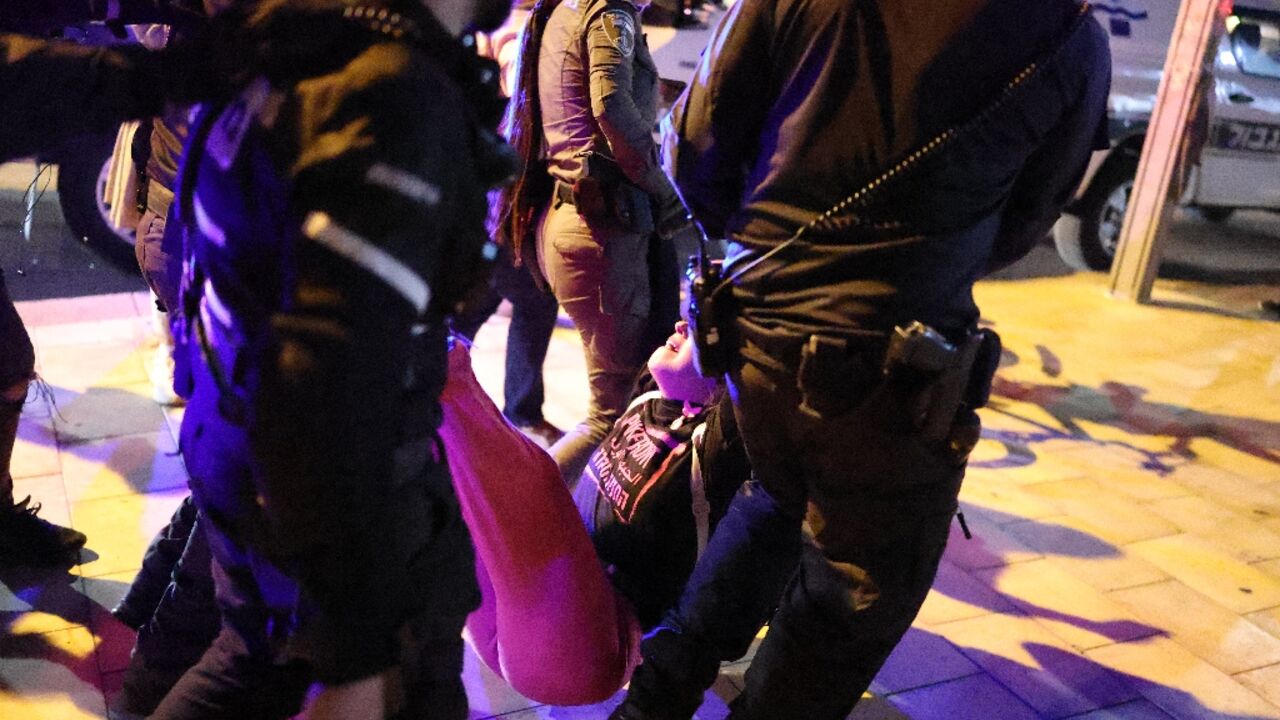
In Israel, thousands of demonstrators reportedly gathered in more than 20 cities in what observers describe as one of the largest anti-war protest movements since the conflict began. Protesters voiced frustration with the government’s handling of the war and accused leadership of prolonging hostilities amid mounting civilian strain.

Authorities responded by invoking wartime emergency restrictions, dispersing demonstrations and making arrests. Reports of clashes between police and protesters have circulated widely, though exact figures remain difficult to independently verify.

The protests come as Israeli civilians continue to face sustained missile threats, forcing many into shelters during repeated alerts. The juxtaposition of nighttime missile defenses and daytime demonstrations reflects a population increasingly divided over the war’s direction.

United States: Nationwide Demonstrations Expand

Image

Image

Image

Image

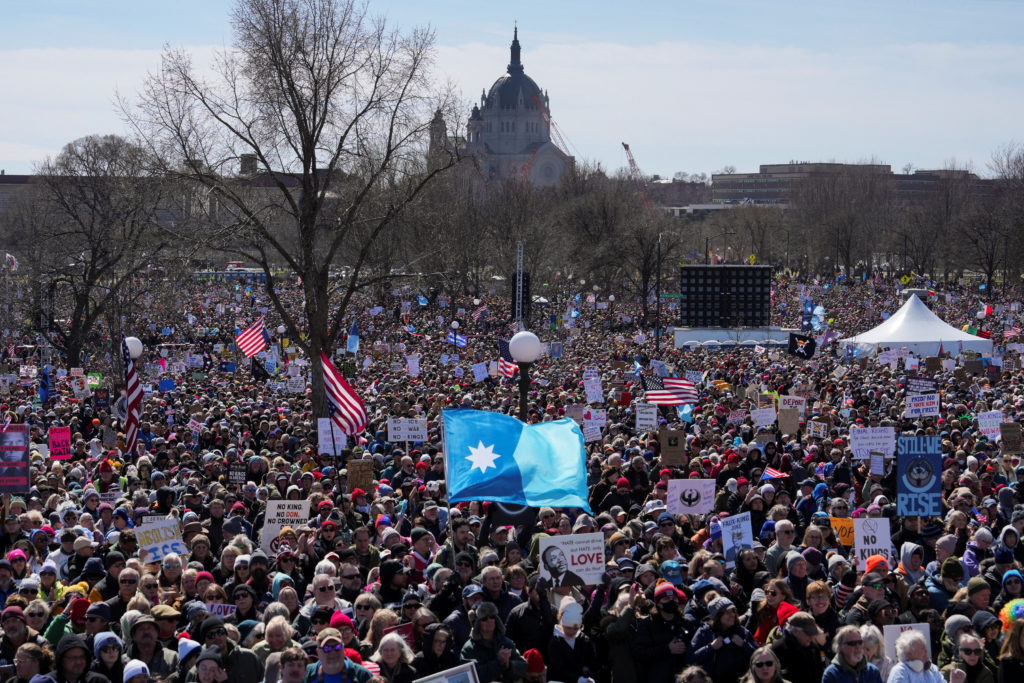
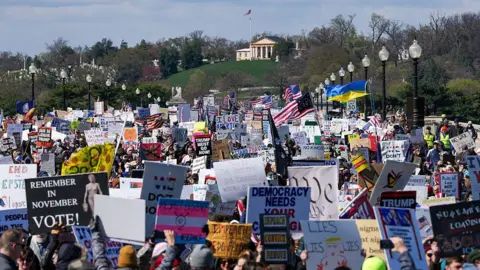
In the United States, large-scale protests have been reported across all 50 states, with demonstrations taking place in thousands of locations. While participation estimates vary, organizers and observers describe the turnout as among the largest coordinated protest actions in recent years.

The demonstrations reflect a growing trend of escalating public opposition over time, with successive waves of protests drawing increasing numbers of participants. Protesters have criticized the war’s costs, objectives, and broader geopolitical consequences.

Federal officials have publicly downplayed the demonstrations’ impact, though multiple statements addressing public concern suggest the issue remains a point of internal attention.

International Ripple Effects

Image

Image

Image

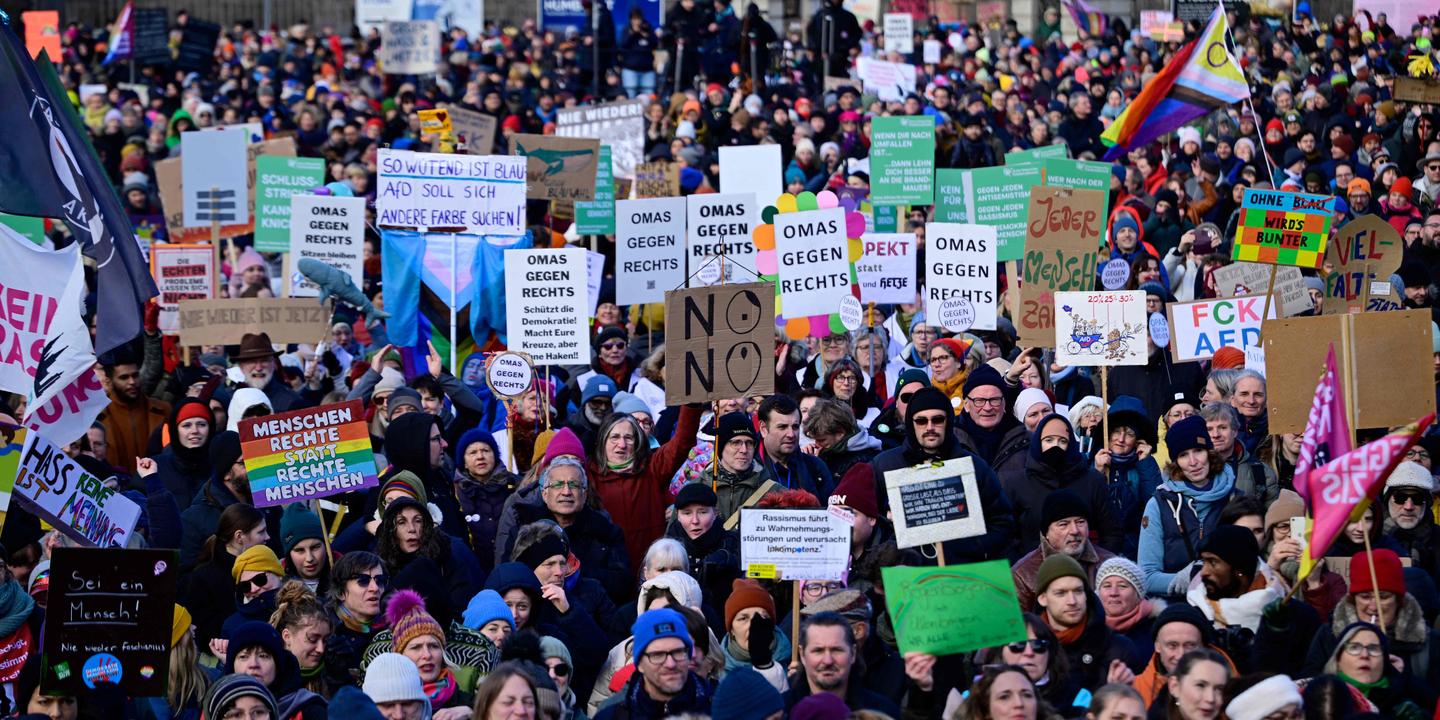
The protest movement is no longer confined to the United States and Israel. Demonstrations have begun appearing in major European cities, including Paris and Berlin, indicating that opposition to the war is spreading among allied nations.

Analysts note that synchronized protest activity across multiple countries is relatively rare and may signal broader dissatisfaction with the conflict’s trajectory and international coordination.

Political and Strategic Implications

The scale and simultaneity of these protests could carry significant political consequences. In Israel, criticism of Prime Minister Benjamin Netanyahu has intensified, with opponents arguing that the war is being prolonged amid domestic political pressures.

In the United States, the protests add to a growing list of domestic concerns surrounding the war, including economic strain and geopolitical risk. Public opinion trends, if sustained, could influence future policy decisions and electoral dynamics.

Additionally, reports of declining international perceptions of democratic governance in the U.S. have added another layer to the debate, though such rankings are often contested and vary by methodology.

A Turning Point or Temporary Surge?

Whether this surge in protest activity represents a lasting shift or a temporary peak remains uncertain. However, the convergence of mass demonstrations across multiple allied nations underscores a critical moment in public perception of the war.

For now, one conclusion is clear: opposition to the conflict is no longer isolated or fragmented. It is increasingly organized, visible, and international in scope—placing new pressure on leaders to justify the war’s direction and outcome.

Social Media Narrative Collides With Ground-Level Reality on Iran War Sentiment


A viral post from Matt Walsh is reigniting debate over a widening gap between online political discourse and real-world opinion, particularly among conservatives assessing the prospect of war with Iran.

In his statement, Walsh describes what he calls a “stark” disconnect between the tone of social media commentary and the attitudes he encounters in everyday conversations. According to Walsh, while online platforms appear saturated with pro-war rhetoric, his direct interactions with conservative voters paint a markedly different picture — one defined not by enthusiasm, but by caution, skepticism, and, in many cases, outright opposition.

That contrast highlights a broader and increasingly documented phenomenon: the distortion effect of digital echo chambers. Social media algorithms often amplify the loudest, most emotionally charged voices, creating the impression of consensus where little may actually exist. In politically charged moments, this can produce a feedback loop where fringe or highly engaged users dominate the narrative, while more moderate or uncertain viewpoints remain underrepresented.

Walsh’s claim centers on firsthand anecdotal experience — conversations with what he describes as “dozens of normal conservatives.” While not a scientific sample, such observations align with polling trends seen in past military conflicts, where initial online fervor has not always translated into sustained public support once the realities of war become clearer.

The post also underscores a tension within conservative circles. Traditionally associated with strong national defense positions, segments of the modern conservative base have shown increasing reluctance toward foreign entanglements, particularly in the Middle East. That shift reflects lessons drawn from prolonged conflicts in Iraq and Afghanistan, as well as growing concern over economic costs and domestic priorities.

At the same time, Walsh points to what he characterizes as social pressure within online spaces — where dissenting views on military action are met with aggressive pushback. This dynamic raises questions about whether digital platforms are fostering genuine debate or enforcing ideological conformity through volume and visibility.

Critics of Walsh argue that anecdotal evidence cannot substitute for broader data and suggest that online discourse, while imperfect, still reflects real factions within political movements. Others counter that his observations capture something polling often misses: the nuance of private conversations, where individuals may express reservations they are less willing to voice publicly.

What remains clear is that the divide Walsh describes is not unique to this issue. Across the political spectrum, the gap between online intensity and offline sentiment continues to widen, complicating efforts to gauge public opinion in real time.

As tensions surrounding Iran evolve, that disconnect could carry real consequences. Policymakers, media figures, and voters alike are left navigating two parallel realities — one shaped by algorithm-driven amplification, the other by quieter, less visible conversations happening far from the screens.

Sunday, March 29, 2026

DELUSION AS POLICY: WHITE HOUSE DECLARES “VICTORY” WHILE LOSSES MOUNT


There’s propaganda—and then there’s whatever spectacle the Trump administration is now peddling to the American public.

In a statement that reads less like strategic communication and more like a fever dream, Karoline Leavitt declared that Iran “doesn’t understand they’ve been defeated,” while simultaneously threatening even more escalation if they fail to accept that supposed reality. It’s the kind of contradiction that would collapse under even basic scrutiny—yet here it is, delivered with a straight face from the podium of the most powerful government on Earth.

Let’s be clear: you don’t deploy thousands of Marines into an active war zone to chase a defeated enemy. You don’t escalate force posture, expand operations, and issue fresh threats if the war is already “won.” That’s not victory—that’s escalation wrapped in denial.

What we are witnessing is not strength. It’s narrative management spiraling out of control.

Day after day, Defense Secretary Pete Hegseth touts “the biggest strikes ever.” Day after day, Donald Trump declares the war effectively over. And day after day, those claims are undermined by emerging reports—damaged assets, mounting casualties, strategic setbacks, and a conflict that appears anything but contained.

You cannot claim total dominance while simultaneously absorbing material losses and repositioning for deeper engagement. That’s not how military reality works. That’s how political damage control works.

And yet, instead of reconciling those contradictions, the administration doubles down—insisting not only that victory has been achieved, but that any continued conflict is somehow the enemy’s fault for failing to recognize their own defeat. It’s a rhetorical trap designed to justify perpetual escalation: if Iran resists, it’s proof they “miscalculated.” If the U.S. escalates, it’s framed as enforcing a victory that hasn’t actually materialized.

This isn’t strategy. It’s circular logic masquerading as doctrine.

The deeper problem is what it signals. When leadership begins declaring victory in the absence of verifiable outcomes—when words detach from reality—you’re no longer governing a war. You’re managing perception. And perception, unlike facts, can be stretched, twisted, and repeated until it collapses entirely.

History has a word for this kind of messaging. It’s not confidence. It’s desperation.

Because if the situation on the ground truly matched the rhetoric, there would be no need for this level of theatrical bravado. Real victories don’t need to be shouted down skeptics or reinforced with threats. They stand on their own.

What we’re seeing instead is a White House trying to will a victory into existence—declaring it, repeating it, and daring reality to contradict it.

But reality doesn’t negotiate.

And the more aggressively this administration insists that the war is already won, the more obvious it becomes that they are trying to convince not just the public—but themselves.

THE PRICE TAG OF PRIORITIES: A PROSECUTORIAL LOOK AT TRUMP-ERA SPENDING CLAIMS


Washington — At a time when millions of Americans are navigating rising costs, housing strain, and economic uncertainty, a barrage of spending figures tied to former President Donald Trump and his political orbit is fueling a renewed debate over priorities, accountability, and the blurred line between public duty and private benefit.

The numbers, circulated widely across political and media channels, paint a staggering picture: hundreds of billions allocated for foreign operations, tens of billions directed abroad, and a trail of domestic expenditures that critics argue disproportionately benefit political allies, personal interests, and image-building projects.

At the top of the list is a reported $225 billion tied to operations involving Iran, a figure that—if accurate—would place the administration’s military posture among the most expensive single-theater engagements in modern history. Critics argue that such spending reflects a willingness to escalate conflict abroad while domestic needs remain underfunded.

Alongside that figure is a reported $40 billion directed to Argentina, raising immediate questions about strategic justification and oversight. While foreign aid and economic partnerships are not unusual, the scale of the number has triggered scrutiny over whether such allocations serve U.S. interests—or political narratives.

But it is the domestic spending figures that have ignited the most intense backlash.

A series of reported payouts and projects tied directly or indirectly to Trump himself have drawn accusations of self-enrichment. These include claims of $10 billion and $230 million linked to lawsuits involving Trump, as well as more than $100 million reportedly spent on golf activities during his current term. Critics argue that these figures, taken together, suggest a pattern in which public resources and political influence intersect in ways that demand investigation.

Further adding to the controversy are reported expenditures such as a $400 million ballroom project and a $257 million renovation tied to the John F. Kennedy Center for the Performing Arts. While infrastructure and cultural investments can be justified on public grounds, the scale and optics of these projects—particularly when associated with a sitting president’s personal brand—have fueled accusations of vanity spending.

Other figures raise similar concerns about priorities and transparency. A reported $220 million promotional campaign tied to Kristi Noem, alongside $170 million for aircraft associated with her office, has prompted questions about political favoritism and the use of federal funds for image-building.

Additional expenditures—$21 million for a Ultimate Fighting Championship event event, $1.25 million reportedly directed to Michael Flynn, and the sale of Trump-branded wine on federal property—have only intensified scrutiny. Each instance, critics argue, reflects a broader pattern: the normalization of spending decisions that blur ethical boundaries and test the limits of public trust.

Perhaps most striking is not any single number, but the cumulative effect. When viewed together, these figures—whether fully verified, partially accurate, or politically framed—form a narrative that prosecutors, watchdogs, and ethics experts would likely describe in familiar terms: potential conflicts of interest, misuse of public resources, and the appearance of personal gain intertwined with official power.

Supporters of Trump counter that many of these figures are misleading, taken out of context, or reflective of broader government operations rather than personal decision-making. They argue that large-scale expenditures are inherent to governing a global superpower and that political opponents are selectively amplifying numbers to construct a damaging narrative.

But the prosecutorial lens does not ask whether spending is politically convenient. It asks whether it is justified, transparent, and lawful.

And that is where the pressure point lies.

Because in any courtroom—or in the court of public opinion—the question is not just how much was spent. It is why, for whom, and under what authority.

As economic pressures continue to weigh on American households, those questions are no longer abstract. They are central.

A Historical and Theological Examination of Zionism, Christian Zionism, and Contemporary Conflict


It is not necessary to adhere to any particular religious tradition to recognize that the current geopolitical tensions involving the United States, Iran, and Israel raise profound historical, theological, and moral questions. From a historical and theological perspective, these events are often interpreted through frameworks that extend far beyond modern politics.

A number of analysts have argued that recent U.S. policy toward Iran reflects a broader strategic alignment with Israel, one that some critics believe risks prolonged conflict without clear prospects of success, particularly if “success” is defined as regime change. These concerns are not merely political; they intersect with deeply rooted theological beliefs that influence segments of the American population.


The Influence of Religious Interpretation in Modern Politics

A significant portion of American Christians—particularly Evangelicals—interpret the establishment of the modern State of Israel in 1948 as the fulfillment of Biblical prophecy. Surveys have shown that many believe this event signals proximity to the return of Jesus Christ. Additionally, some hold the theological view that the land of Israel was divinely granted to the Jewish people.

These beliefs have contributed to the rise of Christian Zionism, a movement that has had notable influence within American political life, especially in conservative circles. Its impact is particularly strong in regions commonly referred to as the “Bible Belt,” though its reach extends into national policy discussions.

From a theological standpoint, critics argue that such interpretations can lead to policy positions that prioritize prophetic fulfillment over prudential political judgment. Historically, similar dynamics have been associated with foreign interventions whose long-term consequences included instability and humanitarian costs.

For example, the 2003 invasion of Iraq—justified at the time by concerns over weapons of mass destruction—resulted in significant demographic changes, including a drastic reduction in the Christian population of Iraq. Similar concerns are raised today regarding Christian communities in Lebanon and Syria, which have been affected by ongoing regional instability.


The Historical Origins of Jewish Zionism

Jewish Zionism emerged in the nineteenth century as a movement advocating for the establishment of a Jewish homeland in Palestine. One of its early theological proponents was Rabbi Yehudah Alkalai (1798–1878), who developed the concept of a “Third Redemption,” arguing that Jewish restoration to the land of Israel was a necessary step in the unfolding of redemption.

However, this view was not universally accepted within Judaism. Many traditional Jewish authorities rejected the idea that human action should precipitate the Messianic age, viewing such efforts as theologically improper.

Opposition to Zionism continues among certain Orthodox Jewish groups, including organizations like Neturei Karta, which argue that Zionism contradicts traditional Jewish teachings regarding the Messiah. At the same time, some secular and liberal Jewish critics oppose Zionism on political and humanitarian grounds, viewing it through the lens of nationalism or colonialism.


Intellectual Foundations of Zionist Thought

In the later nineteenth century, thinkers such as Moses Hess and Theodor Herzl played central roles in shaping modern Zionist ideology.

  • Moses Hess (1812–1875), in his work Rome and Jerusalem, presented a vision of Jewish national revival that included strong critiques of Christianity and European society.

  • Theodor Herzl (1860–1904) advanced the political dimension of Zionism, seeking international support for the establishment of a Jewish state.

Herzl’s diplomatic efforts included a meeting with Pope Pius X, who reportedly expressed theological reservations about supporting a Jewish return to Jerusalem, citing the Church’s belief that recognition of the Jewish people in that capacity was tied to acceptance of Jesus Christ.

The eventual realization of a Jewish state was made possible in part through geopolitical developments following World War I, including the Sykes-Picot Agreement (1916) and the Balfour Declaration (1917), which facilitated Jewish settlement in Palestine.


The Development of Christian Zionism

Parallel to Jewish Zionism, Christian Zionism emerged in the nineteenth century, rooted in a theological system known as Dispensational Premillennialism, or Dispensationalism.

This framework, developed by figures such as John Nelson Darby and popularized in the United States through the Scofield Reference Bible, introduced several key ideas:

  • A strict separation between Israel and the Church

  • A sequence of historical “dispensations” in God’s plan

  • The expectation of a literal thousand-year reign of Christ on earth

  • The belief in events such as the Rapture, Tribulation, and Armageddon

Within this system, the Church is sometimes viewed as a temporary phase—a “parenthesis”—between distinct eras centered on Israel. This theological structure has been criticized by Catholic and Orthodox traditions, which maintain a more unified understanding of salvation history.


Theological Critiques and Alternative Perspectives

From a Catholic theological standpoint, the Church is understood as the fulfillment of Israel, often described as the “New Israel” or the Mystical Body of Christ. In this view:

  • The Jewish people retain a significant role in salvation history

  • There is an expectation of eventual reconciliation or conversion

  • Salvation is ultimately understood as centered in Jesus Christ

This contrasts with dispensationalist frameworks, which emphasize a dual-track approach to salvation history involving both Israel and the Church as distinct entities.


War, Doctrine, and Moral Reflection

The current geopolitical situation has reignited debates not only about foreign policy but also about the moral and theological frameworks that inform it.

Within Christian traditions, the Just War doctrine has historically provided criteria for evaluating the morality of war, emphasizing:

  • Legitimate authority

  • Just cause

  • Proportionality

  • Protection of non-combatants

Critics argue that modern conflicts often fail to meet these standards and that theological interpretations—particularly those tied to apocalyptic expectations—may contribute to support for military actions without sufficient ethical scrutiny.


Conclusion: A Conflict of Ideas

The present moment reflects more than a geopolitical struggle; it represents a convergence of historical memory, theological interpretation, and political power.

Debates over Zionism, Christian Zionism, and U.S. foreign policy reveal deeper questions about:

  • The relationship between religion and statecraft

  • The interpretation of sacred texts in modern contexts

  • The moral responsibilities of nations in times of war

As these discussions continue, they underscore the enduring influence of theology on global affairs and the importance of examining such beliefs within both historical and ethical frameworks.


TRUMP ESCALATES TOWARD GROUND WAR WITH IRAN AS RHETORIC OUTPACES STRATEGY


WASHINGTON — President Donald Trump is again steering the United States toward the edge of a ground war in the Middle East, as reports emerge that his administration is weighing military operations inside Iran — a move critics warn reflects a pattern of impulsive escalation untethered from coherent strategy.

According to multiple reports, including disclosures attributed to The Washington Post and Reuters, Pentagon officials have drafted options for limited ground incursions into Iranian territory. The proposals reportedly include raids targeting coastal weapons systems and strategic infrastructure near the Strait of Hormuz, one of the world’s most critical oil transit routes.

The White House has attempted to frame the planning as routine contingency preparation. But the scale and specificity of the options — combined with recent troop deployments — point to something more consequential: a president inching toward a direct land conflict with a regional power without publicly articulating a viable endgame.

Iran’s response has been swift and unambiguous. Parliamentary speaker Mohammad Baqer Qalibaf warned that any U.S. ground presence would be met with force, declaring Iranian troops are prepared to “set them on fire” and reject what he described as American demands for surrender.

The exchange underscores a dangerous dynamic: escalating rhetoric on both sides, with diminishing diplomatic space and increasing risk of miscalculation.

At the center of the crisis is Trump’s approach — one critics characterize as a volatile mix of maximalist threats and strategic ambiguity. The administration has floated seizing key Iranian assets, including Kharg Island, while simultaneously insisting no final decision has been made. That contradiction, analysts say, is not flexibility — it is instability.

Secretary of State Marco Rubio has publicly stated that U.S. objectives can be achieved without ground forces, further highlighting internal inconsistencies within the administration. While one arm of government signals restraint, another prepares for escalation.

Meanwhile, thousands of U.S. Marines have already been deployed to the region, a tangible shift that belies the administration’s claims of caution. Military analysts warn that even “limited” operations could quickly spiral into sustained conflict, exposing American forces to guerrilla warfare and retaliatory strikes across the region.

Trump has compounded the tension by threatening to strike Iran’s energy infrastructure if Tehran does not reopen the Strait of Hormuz — a move that could trigger broader economic shockwaves and deepen global instability.

The administration has also touted a proposed ceasefire framework, but Iran has rejected the terms, offering alternatives of its own. The result is a diplomatic stalemate unfolding alongside military escalation — a combination that has historically led not to resolution, but to war.

What emerges from this moment is not a clear doctrine, but a pattern: aggressive posturing without a defined strategic outcome. Trump’s critics argue that the absence of a coherent plan — beyond forcing capitulation — risks entangling the United States in another prolonged conflict in the Middle East.

The stakes are not theoretical. The Strait of Hormuz handles a significant portion of the world’s oil supply, and any sustained disruption could reverberate through global markets. A ground war with Iran would not resemble past engagements; it would be larger, more complex, and far more difficult to contain.

Yet the administration continues to advance options that bring that scenario closer to reality.

In the absence of a clearly articulated strategy, the question facing Washington is no longer whether escalation is possible — but whether it has already begun.

Israel Prevents Palm Sunday Services For The First Time


JERUSALEM  — Israeli authorities barred senior Catholic leaders from entering the Church of the Holy Sepulchre to celebrate Palm Sunday Mass, church officials said, marking what they described as an unprecedented restriction during one of Christianity’s holiest periods.

The Latin Patriarchate of Jerusalem said Israeli police prevented top clergy, including Cardinal Pierbattista Pizzaballa, from accessing the site in Jerusalem’s Old City. The church, revered by Christians as the place of Jesus’ burial and resurrection, traditionally hosts major Holy Week observances.

“For the first time in centuries, the Heads of the Church were prevented from celebrating the Palm Sunday Mass,” the Patriarchate said in a statement, calling the move a “grave precedent” that disregards the sensibilities of Christians worldwide.

Palm Sunday marks the beginning of Holy Week, a central period in the Christian calendar commemorating Jesus’ entry into Jerusalem.

Israeli authorities said the restrictions were due to security concerns amid ongoing regional tensions, including conflict involving Iran. Police said access to holy sites in the Old City had been limited because the area cannot accommodate large emergency or rescue operations and lacks sufficient protected spaces.

Prime Minister Benjamin Netanyahu’s office said there was “no malicious intent whatsoever” in the decision and that officials were working on arrangements to allow church leaders to worship at the site in the coming days.

The Patriarchate rejected the explanation, describing the measure as “manifestly unreasonable and grossly disproportionate” and accusing authorities of making a “hasty and fundamentally flawed decision.”

The restrictions come as Israel has also limited access to other major religious sites in Jerusalem. Jewish worshippers at the Western Wall have been capped at small numbers, while Muslims have been barred from the Al-Aqsa Mosque compound since the escalation of hostilities earlier this year.

The decision drew international criticism. Italian Prime Minister Giorgia Meloni called the move an “insult” to religious freedom and said the site “must be preserved and protected.” Italy’s foreign minister, Antonio Tajani, said Rome would summon Israel’s ambassador to protest the decision.

At the Vatican, Pope Leo said his prayers were with Christians in the Middle East who are unable to fully observe Holy Week rites due to the conflict.

In a separate statement earlier this month, several Muslim-majority countries condemned restrictions on access to Jerusalem’s holy sites, calling them a violation of international law.

Church officials said the incident could set a troubling precedent for access to religious sites in the city, particularly during major observances.

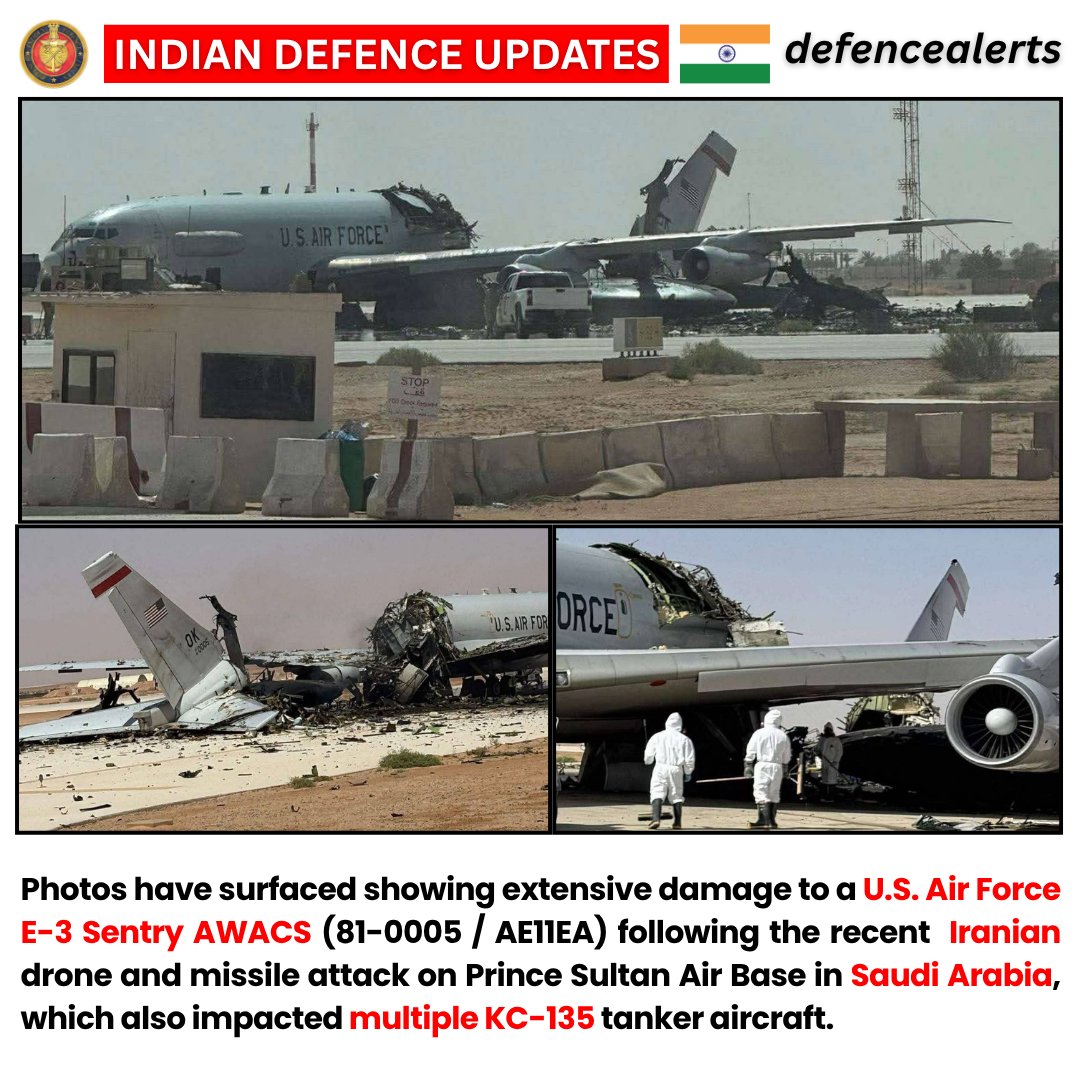
Strategic Blow: U.S. E-3G Sentry Destroyed in Iranian Strike on Saudi Base


Image

Image

Image

Image

Prince Sultan Air Base, Saudi Arabia — Images circulating from the aftermath of Iran’s latest missile and drone strike appear to show the complete destruction of a U.S. Air Force E-3G Sentry, tail number 81-0005, one of the most critical airborne command-and-control platforms in the American arsenal.

The aircraft, part of the 552nd Air Control Wing out of Tinker Air Force Base, was stationed at Prince Sultan Air Base when it was struck during a coordinated Iranian barrage involving ballistic missiles and drones. The scale and precision of the strike point to a deliberate effort to target high-value U.S. military assets.

Precision Targeting of a Critical Weak Point

Visual evidence suggests the strike focused on the rear section of the aircraft, where the rotating radar dome is mounted. This dome houses the AN/APY-2 surveillance radar system, the technological backbone of the Boeing E-3 Sentry.

Photos indicate the rear fuselage was heavily damaged and the radar dome destroyed or dislodged, damage that would render the aircraft completely inoperable even before accounting for broader structural loss.

Military observers note that such targeting is not accidental. Striking this specific section effectively blinds the aircraft, eliminating its ability to detect threats, coordinate air operations, or provide battlefield awareness.

A High-Value Loss with Strategic Consequences

The E-3 Sentry serves as an airborne command center, capable of tracking aircraft, missiles, and drones across vast distances while directing coalition forces in real time. Its loss is more than symbolic. It directly impacts operational capability in a region where airspace awareness is critical.

With a limited number of these aircraft in service, even a single loss places additional strain on the fleet and reduces surveillance coverage across the Middle East.

Iran’s Expanding Battlefield Reach

This strike is part of a broader escalation in the ongoing conflict. Iran and its regional network have demonstrated the ability to hit U.S. and allied targets across multiple theaters, combining ballistic missile strikes with drone operations.

Repeated successful strikes, including attacks on fortified bases, highlight a growing vulnerability in U.S. force protection and raise questions about the effectiveness of current defensive systems.

A War Moving in Iran’s Favor

While official U.S. messaging continues to project control, the operational picture suggests a more complicated reality. Iran has:

  • Successfully struck fortified U.S. positions

  • Damaged or destroyed high-value military assets

  • Expanded the conflict across the region

  • Forced the U.S. into a reactive posture

Taken together, these developments indicate that Iran is not simply enduring pressure but actively shaping the battlefield, and in several respects appears to be gaining the upper hand.

Leadership Under Scrutiny

The escalation has intensified scrutiny of leadership in Washington. Critics argue that Donald Trump has pursued an approach driven by escalation without a clearly defined strategic end state, leaving U.S. forces exposed to evolving threats.

At the same time, Defense Secretary Pete Hegseth has faced criticism over preparedness and force protection, as high-value assets have been struck despite being positioned at major installations.

The Bigger Picture

The destruction of an E-3G Sentry is more than a battlefield loss. It is a signal that even the most advanced military systems are vulnerable in an era defined by precision strikes and long-range weapons.

If confirmed, the loss of aircraft 81-0005 may stand as a pivotal moment, underscoring a shift in the balance of operational momentum and raising deeper questions about strategy, leadership, and the trajectory of the conflict.

Friday, March 27, 2026

Trump Sidesteps Iran Question, Turns to Personal Remarks With Fox News Host


WASHINGTON — Donald Trump deflected a question about humanitarian conditions in Iran during a televised appearance, instead pivoting to personal and flirtatious remarks directed at Fox News host Dana Perino.

Appearing by phone on The Five, Trump was asked by Perino whether he had any insight into the well-being of Iranian civilians, including whether they had access to food and water amid ongoing tensions and limited communication from inside the country.

“I do,” Trump began, before abruptly shifting tone and recalling a past meeting with Perino at Trump Tower.

“You haven’t changed,” he said, adding that she might be “even better looking,” while referencing television hair and makeup. The remarks, delivered in the middle of the policy question, took on a flirtatious tone and redirected the exchange away from the humanitarian issue being raised.

Trump did not directly answer Perino’s question about conditions inside Iran during that portion of the segment.

The moment drew immediate reaction online, with critics describing the comments as inappropriate given the context, while others characterized them as informal or off-the-cuff.

Perino’s question reflected broader concern among observers about limited visibility into civilian conditions in Iran, particularly as communication channels remain restricted. Trump’s response, however, focused on personal commentary rather than providing details or clarification.

The exchange underscores a recurring dynamic in Trump’s media appearances, where substantive policy questions are at times met with digressions that shift attention away from the original topic.

A Quiet Crisis Spreading Across America: Drought Tightens Its Grip


Image


A slow-moving but potentially devastating crisis is unfolding across the United States—and most Americans don’t yet realize the scale of it.

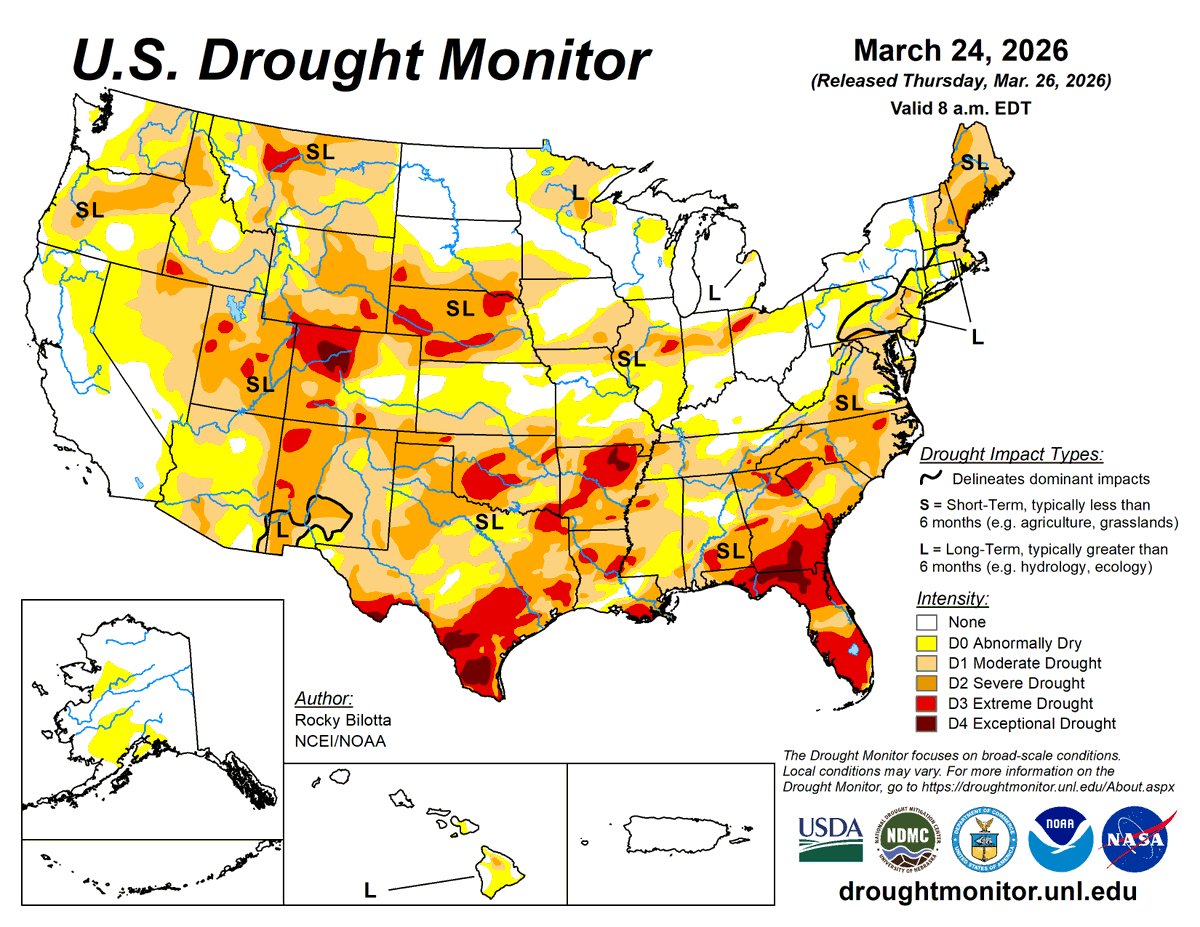
Current conditions show that roughly 77% of the country is experiencing abnormally dry weather, with more than half—56%—officially in drought status. Those numbers place this event among the most widespread drought conditions seen in the 21st century, rivaled only by severe episodes in 2012, 2022, and a shorter but notable stretch in 2003.

While recent rainfall has offered partial relief to parts of the eastern U.S. and the mid-South, the broader national picture is trending in the wrong direction. The Great Plains and much of the Western United States are deteriorating rapidly, with expanding drought footprints and intensifying dryness.

A Collision of Climate Forces With No Modern Precedent

What makes this situation especially concerning is not just the scale—but the atmospheric setup behind it.

The United States is currently navigating a transition between two major climate patterns: La Niña and El Niño. Historically, each of these patterns influences precipitation, temperature, and storm tracks in predictable ways.

But what forecasters are now confronting is something far less predictable: a widespread, entrenched drought occurring during a transition between these two opposing systems.

At the same time, the Gulf of America / Mexico is running unusually warm, which typically enhances atmospheric moisture availability. Under normal conditions, that would suggest increased rainfall potential across the central and eastern United States.

Instead, drought conditions are actively working against that process.

Dry soils and persistent high-pressure systems are strengthening what meteorologists call a “cap”—a layer of warm air that suppresses cloud formation and precipitation. This creates a standoff in the atmosphere:

  • Warm Gulf waters are trying to feed moisture northward

  • Drought-driven atmospheric stability is blocking that moisture from turning into rain

The result is a volatile and uncertain setup with no clear historical analog in modern records.

Agriculture and Wildfire Risk Enter Dangerous Territory

The impacts are already being felt where it matters most.

Across key agricultural regions, soil moisture deficits are growing, stressing crops and increasing irrigation demand. If conditions persist or worsen into peak growing season, the consequences could ripple through food supply chains and commodity markets.

Even more concerning is the escalating wildfire threat.

Dry vegetation, combined with heat and wind patterns common during these transitions, creates the conditions for large-scale, fast-moving wildfires—particularly across the West. Early indicators suggest that this fire season could trend toward the historic end of the scale if drought intensifies.

The Kind of Crisis That Builds in Silence

Unlike hurricanes or tornadoes, drought does not announce itself with dramatic visuals or immediate destruction. It builds slowly, quietly tightening its grip over weeks and months.

But its impacts—on water supplies, agriculture, ecosystems, and wildfire risk—can be just as severe, if not more so.

What makes this moment particularly dangerous is the uncertainty. Meteorologists are watching closely for a potential large-scale pattern shift that could bring relief. But until that happens, the country remains locked in a fragile and worsening balance.

This is not just another dry spell.

It is a national-scale stress event, shaped by competing climate forces, intensifying environmental conditions, and a lack of precedent.

And by the time it fully captures public attention, it may already be too late to prevent its most damaging consequences.

Thursday, March 26, 2026

TRUMP’S IRAN CLAIMS COLLIDE WITH REALITY AS WAR NARRATIVE FRACTURES


WASHINGTON — President Donald Trump on Thursday asserted that Iran is “begging” for a deal, even as emerging details from both U.S. and Iranian channels suggest a far more complex — and contradictory — reality surrounding the escalating conflict.

The claim, delivered during a Cabinet meeting, comes amid reports that Tehran rejected a sweeping 15-point U.S. peace proposal and instead outlined its own conditions: an end to attacks, guarantees against future military action, and compensation for war damages.

Those conditions sharply undermine the administration’s portrayal of a weakened adversary seeking surrender. Rather than capitulation, Iran’s response signals negotiation from a position of demand — not desperation.

The contradiction cuts deeper when measured against the origins of the conflict itself. The United States, alongside Israel, launched large-scale strikes on Feb. 28 targeting Iranian military and government infrastructure. Among those killed was Supreme Leader Ali Khamenei, an escalation that effectively guaranteed retaliation rather than resolution.

Since then, Iran has responded with missile and drone attacks across the region, targeting Israeli positions, U.S. bases, and key infrastructure while attempting to disrupt shipping through the Strait of Hormuz — one of the world’s most critical transit chokepoints.

Despite these ongoing hostilities, Trump has publicly insisted both that Iran has been “decisively defeated” and that he is not seeking a deal — a dual assertion that strains credibility under scrutiny.

If Iran were truly defeated, analysts note, there would be little need for continued strikes, extended deadlines, or urgent diplomatic messaging. Conversely, if no deal is being pursued, repeated public references to negotiations raise questions about the administration’s actual objectives.

Further complicating the narrative, Trump dismissed reports that he is actively seeking negotiations, even as intermediaries confirmed Iranian responses to U.S. proposals.

This widening gap between rhetoric and reality has fueled concerns among observers that the administration is attempting to control perception rather than acknowledge the strategic stalemate emerging on the ground.

Meanwhile, Israel has expanded its parallel campaign against Iran-aligned forces, including Hezbollah in Lebanon, further broadening the conflict footprint and reducing the likelihood of rapid de-escalation.

Military analysts warn that the situation now reflects a classic escalation trap: high-impact strikes without a clearly defined political end state.

At the center of that concern is a fundamental question the administration has yet to answer — whether its objective is regime change, deterrence, or negotiated settlement.

Trump’s shifting public statements have done little to clarify that objective. Instead, they have exposed what critics describe as a fractured narrative: one that claims dominance while signaling urgency, denies negotiation while referencing deals, and frames victory while managing an expanding war.

As diplomatic talks are expected to continue through intermediaries, the credibility of U.S. messaging may prove as consequential as its military strategy.

Because in conflicts of this scale, perception is not just political — it is strategic.

CABINET ROOM OR COMEDY HOUR? TRUMP’S SHARPIE RAMBLE RAISES SERIOUS QUESTIONS


In what should have been a high-level discussion of war strategy, economic instability, and mounting domestic crises, Donald Trump instead veered into a bizarre and meandering monologue about…pens.

Yes, pens.

During a cabinet meeting—at a time when the United States is navigating geopolitical tensions, rising gas prices, strained infrastructure, and healthcare concerns—the president launched into an extended, disjointed story about Sharpies, luxury writing instruments, and the ethics of handing out expensive pens to children.

The room reportedly sat in visible discomfort as the president jumped from one unrelated thought to another: from thousand-dollar gold pens that “don’t write,” to Sharpies that he “likes the best,” to hypothetical scenarios involving signing trillion-dollar defense contracts. At several points, his remarks appeared to contradict themselves mid-sentence, trailing off into fragments that never fully formed a coherent point.

This wasn’t policy discussion. It wasn’t strategy. It wasn’t even anecdote with a purpose.

It was rambling.

A Disconnect From Reality

What makes the moment particularly troubling is not simply that it happened—but when it happened.

The United States is currently facing:

  • Active military considerations involving Iran

  • Economic pressure from rising fuel costs

  • Ongoing housing affordability issues

  • Strains in federal agency funding, including transportation security

Yet instead of addressing any of these issues with clarity or urgency, the president’s focus drifted into a stream-of-consciousness narrative about office supplies.

Even more concerning, the ramble attempted to draw a comparison between pen procurement and billions of dollars in federal spending—without ever establishing a logical bridge between the two. The analogy collapsed under its own confusion.

Leadership Under Scrutiny

Presidents are expected to communicate clearly—especially in moments of national consequence. The ability to articulate decisions, weigh options, and project stability is not optional; it is foundational to the role.

Moments like this inevitably raise questions about cognitive sharpness and decision-making capacity. Critics have pointed to the increasingly erratic nature of such public remarks, arguing that they reflect not just poor messaging, but a deeper inability to stay focused on matters of state.

That’s where the conversation shifts from political disagreement to constitutional concern.

The 25th Amendment to the United States Constitution exists precisely for scenarios where a president may be unable to discharge the duties of the office. It is not a political weapon—it is a safeguard.

More Than Optics

This is not about whether someone prefers a Sharpie over a fountain pen.

It’s about whether the commander-in-chief can remain grounded, coherent, and focused while being briefed on issues that carry life-and-death consequences.

Because when the conversation turns from military strategy to pen ink—and stays there—Americans are left with a deeply unsettling question:

Who, exactly, is in control?

And more importantly—are they capable of handling it?

Israel Tortures Infant With Cigerates And Nails


A CRIME THAT DEMANDS ACCOUNTABILITY: THE ALLEGED TORTURE OF An INFANT IN GAZA

The allegations emerging from central Gaza Strip are not just disturbing—they are morally staggering. If verified, they describe conduct that crosses every legal, ethical, and human boundary recognized by modern civilization.

A one-year-and-nine-month-old child, Jawad Abu Nassar, is alleged to have been detained and subjected to torture by forces of the Israel Defense Forces near the Maghazi refugee camp. According to the account and accompanying medical claims, this infant—barely able to speak—was burned with cigarettes, stabbed, and had an iron nail driven into his legs. The stated purpose: to coerce a confession from his father.

Let that reality settle. Not an adult detainee. Not a suspected combatant. A toddler.

Even in the fog of war, there are lines that are not supposed to be crossed. The Geneva Conventions—the very framework designed to regulate armed conflict—explicitly prohibit torture, collective punishment, and the targeting or abuse of civilians, especially children. If these allegations are accurate, they would not represent a gray area or a disputed battlefield judgment. They would constitute a prima facie war crime.

The reported sequence of events is equally chilling. A father and child, caught near the border under gunfire, are separated by a drone. The father is forced toward a checkpoint, stripped, detained. The child is taken. What follows, according to the report, is not interrogation—it is cruelty inflicted on a defenseless infant in front of his parent as leverage.

This is not security. This is not counterterrorism. This is coercion by brutality.

And the implications extend far beyond one family. If even a fraction of this account is substantiated, it raises urgent questions about command responsibility, rules of engagement, and systemic oversight within Israeli military operations. It challenges the credibility of any claim that strict adherence to international law governs conduct on the ground.

The silence that often follows such allegations is part of the problem. Governments issue denials. Allies urge restraint. Investigations stall. Meanwhile, victims are left with trauma—and no justice.

The international community cannot afford another cycle of outrage followed by inaction. Independent verification must be immediate and transparent. Organizations such as the International Committee of the Red Cross and human rights monitors must be granted full access. Medical evidence must be preserved. Witness testimony must be documented. And if wrongdoing is confirmed, accountability must not stop at the lowest ranks.

Because if the world looks at a case like this—and shrugs—it sends a message louder than any official statement: that some lives are negotiable, that some crimes are tolerable, and that even the suffering of a child can be buried beneath geopolitics.

That is not just a failure of policy. That is a collapse of principle.

And history does not forget those who chose silence when confronted with the suffering of the innocent.

$890 MILLION AND A WALL OF SILENCE: THE QUESTIONS STEPHEN MILLER DIDN’T ANSWER


In Washington, there are two kinds of silence: the kind that buys time—and the kind that signals there is no safe answer.

During a now-viral congressional hearing, Thomas Massie laid out allegations involving nearly $890 million in taxpayer funds—money he argued did not simply move through the system, but was deliberately routed through offshore channels designed to conceal its destination.

At the center of it all: Stephen Miller.

A Financial Trail That Demands Answers

Massie’s line of questioning painted a picture that, if proven true, is not bureaucratic sloppiness—it is calculated financial maneuvering:

  • Shell companies with no employees and no physical presence

  • Offshore registrations tied to jurisdictions known for secrecy

  • Funds allegedly redirected toward a law firm defending fraud-related cases

  • Additional transfers reportedly linked to a private equity structure connected to Miller’s own network

This is not how legitimate government disbursement is supposed to look. This is how money is moved when someone does not want it followed.

The Silence That Spoke Volumes

When given the opportunity to respond, Miller did not clarify, deny, or even attempt to rebut the claims.

For one minute and forty-one seconds—an eternity in a congressional hearing—he said nothing.

Not “that’s false.”
Not “that’s misleading.”
Not even “I’ll need to review that.”

Nothing.

In a political system where officials instinctively push back on even minor inaccuracies, that kind of silence is not normal. It raises a fundamental question: what explanation could possibly make those allegations go away?

FinCEN and the Shadow of Financial Tracking

The allegations referenced findings connected to the Financial Crimes Enforcement Network—the federal authority tasked with identifying suspicious financial activity.

If FinCEN has, in fact, mapped these transactions, then this is no longer about political optics. It becomes a matter of financial forensics—paper trails, account linkages, and transaction chains that do not rely on opinion.

And where FinCEN findings lead, the Federal Bureau of Investigation is often not far behind.

Not a Clerical Error—A Pattern

Let’s be clear: governments make mistakes. Paperwork gets messy. Funds get delayed or misallocated.

But this—if accurate—is not a mistake.

You do not accidentally:

  • Route funds through multiple offshore entities

  • Attach those funds to legal defenses in fraud cases

  • Channel money into investment vehicles tied to insiders

That is a system. A structure. A method.

The Burden of Explanation Is Now His

Stephen Miller had a moment—under oath, under scrutiny—to explain how nearly $890 million could move through such a web without wrongdoing.

He chose silence.

And in doing so, he shifted the burden from accusation to accountability.

Because when a public official is confronted with detailed financial allegations tied to taxpayer money, the expectation is not silence. It is transparency. It is documentation. It is an immediate, forceful denial—if one exists.

Conclusion

Right now, there are no publicly confirmed charges. No indictments. No formal findings released in full.

But there is a trail of allegations.
There is a congressional record.
And there is a silence that refuses to go away.

If even a fraction of these claims prove true, this is not just misconduct—it is a breach of public trust at a scale that demands consequences.

And if they are not true, then Stephen Miller has a responsibility to prove that—clearly, publicly, and immediately.

Because $890 million doesn’t just disappear.

Someone moved it.
Someone signed off on it.
And someone now has to answer for it.

Wednesday, March 25, 2026

RAISING THE AGE, LOWERING THE TRUTH: THE ARMY RECRUITMENT SPIN UNRAVELS

Image


Image


There’s a difference between optimism and deception. What the American public is being fed right now about military recruitment falls squarely into the latter.

When Donald Trump stood before cameras and claimed that young Americans were “lining up” to join the Army out of renewed respect for the presidency, it wasn’t just political puffery—it was a narrative that collapses under even the most basic scrutiny. And when Defense Secretary Pete Hegseth echoed the same line, it cemented a coordinated message that simply does not match reality.

Because if people were truly lining up, the Army wouldn’t be expanding the pool by raising the enlistment age to 42.

Let’s call this what it is: a policy born out of necessity, not success.


WHEN DEMAND IS REAL, YOU DON’T CHANGE THE RULES

Institutions that are overwhelmed with applicants don’t loosen standards—they tighten them. They don’t widen eligibility—they narrow it. That’s how supply and demand works everywhere from college admissions to elite jobs.

Yet here we are, watching the U.S. Army:

  • Raise the maximum enlistment age from the mid-30s to 42

  • Relax barriers for applicants with prior marijuana-related offenses

  • Spend billions on recruitment campaigns

This is not the behavior of an institution flooded with eager volunteers. This is the behavior of an organization struggling to meet quotas.

And it’s happening during an active and escalating conflict environment tied to U.S. operations in Iran—a factor officials may avoid explicitly linking, but one that every potential recruit understands.


THE POLITICAL SPIN VS. THE HARD REALITY

The administration’s messaging hinges on a simple claim: respect for leadership is driving a surge in enlistment.

But the facts tell a different story.

If respect alone filled the ranks:

  • Recruitment offices wouldn’t need expanded eligibility

  • Standards wouldn’t be adjusted to increase the pool

  • Massive spending wouldn’t be required to attract interest

You don’t lower the barrier to entry when demand is overflowing. You do it when demand is insufficient.

That’s not interpretation—that’s basic logic.


THE COST OF SELLING A FALSE NARRATIVE

There’s something more troubling here than just political exaggeration.

This isn’t about crowd sizes or campaign rhetoric. This is about national defense, about the men and women being asked to serve, and about the honesty owed to them and their families.

Telling Americans that enthusiasm is surging when policy changes clearly signal the opposite isn’t harmless spin—it’s a credibility problem.

Because once trust erodes, recruitment doesn’t get easier—it gets harder.

Young people aren’t just evaluating pay and benefits. They’re evaluating leadership, mission clarity, and whether they’re being told the truth about what they’re signing up for.


EXPANDING THE POOL IS NOT A SIGN OF STRENGTH

Let’s be clear: allowing older Americans to serve is not inherently wrong. Many individuals in their late 30s and early 40s are capable, disciplined, and bring valuable life experience.

But that’s not what this policy is really about.

This isn’t a strategic evolution—it’s a reactive measure.

It’s an attempt to fill a gap.

And no amount of political messaging can disguise that reality.


THE BOTTOM LINE

You can claim that people are “lining up.”
You can repeat it at rallies.
You can have cabinet officials reinforce it on television.

But policies don’t lie.

When the Army raises its enlistment age to 42, relaxes restrictions, and pours billions into recruitment, it’s sending a clear, unfiltered message:

They need more people—and they’re not getting them.

Everything else is just spin.

MATTIS SOUNDS THE ALARM: “TARGETS ARE NOT STRATEGY” IN IRAN WAR WARNING


Former Defense Secretary Jim Mattis delivered a blunt and unusually direct warning about the direction of U.S. military operations against Iran, raising serious concerns about what he described as a widening gap between battlefield activity and actual strategy.

Speaking at the CERAWeek conference in Houston on March 23, Mattis challenged the core assumptions behind the current war effort tied to Donald Trump’s administration, arguing that tactical success is being mistaken for strategic progress.

“15,000 Targets” — But to What End?

Mattis pointed to the scale of U.S. operations, noting that roughly 15,000 targets have been struck. But his central message was clear: sheer volume does not equal victory.

“Targetry never makes up for a lack of strategy.”

The remark cuts directly at the heart of modern warfare doctrine. Precision strikes, even in large numbers, cannot substitute for a clearly defined political and military endgame. According to Mattis, the campaign risks becoming a cycle of escalation without resolution.

“Delusional Nonsense” and Unrealistic War Goals

In one of his most striking criticisms, Mattis reportedly dismissed early war aims—such as “unconditional surrender” and “regime change”—as “delusional nonsense.”

That language signals more than disagreement; it reflects a fundamental rejection of the strategic framework guiding the conflict.

Mattis emphasized a hard historical truth: air power alone has never successfully forced regime change. Without a coherent ground strategy, diplomatic pathway, or political end state, military gains remain disconnected from meaningful outcomes.

A Strategic Vacuum

Mattis warned that despite visible battlefield successes, those victories have not translated into durable strategic advantages. This disconnect, he argued, is one of the most dangerous dynamics in warfare—creating the illusion of progress while underlying objectives remain unmet.

His critique suggests the U.S. may be operating without a clearly defined endgame, increasing the risk of prolonged conflict, mission creep, and unintended consequences across the region.

The Strait of Hormuz Warning

Perhaps most concerning was Mattis’s warning about the Strait of Hormuz—a chokepoint critical to global energy markets.

He cautioned that prematurely declaring victory or disengaging could effectively hand Iran greater control over the waterway, placing the United States in what he described as a “tough spot.”

The implications are global:

  • Roughly 20% of the world’s oil supply passes through the Strait

  • Any disruption could trigger major economic and geopolitical fallout

  • Control of the region would shift leverage toward Tehran

A Rare Break from Within

Mattis, widely respected across both political parties and military circles, is not known for casual public criticism. His remarks carry weight precisely because they come from a figure deeply embedded in U.S. defense strategy for decades.

His warning underscores a growing concern among military professionals: that tactical aggression without strategic clarity can deepen conflicts rather than resolve them.

The Bigger Question

At its core, Mattis’s message raises a fundamental issue:

What is the actual objective of this war—and how does current strategy achieve it?

Without a clear answer, the risk is not just military overreach, but a prolonged conflict with no defined path to success—one where thousands of strikes may ultimately change very little.